

If you love Middle Eastern sweets, this Middle Eastern maamoul tart with ashta and pistachios is a dessert worth discovering! Inspired by traditional Lebanese maamoul, it features a buttery, crumbly crust scented with mahlab and orange blossom water, layered with sweetened pistachios, homemade Lebanese ashta (clotted cream), and a delicious topping of jazarieh (candied pumpkin). Every bite brings together delicate floral aromas, nutty sweetness, creamy richness, and a wonderful contrast of textures. It’s an elegant showstopper that brings the irresistible flavors of Lebanese desserts to a classic tart.

A Maamoul-Inspired Tart with Pistachios, Ashta and Jazarieh
I spent several days working on every element of this tart, carefully selecting the best ingredients I could find and fine-tuning each layer until it was just right. My goal was to create a dessert that lived up to the high standards of flavor and texture I expect from Middle Eastern sweets.
Anyone who has visited the Middle East is probably familiar with maamoul, the beloved shortbread-like cookie made with butter and delicately scented with mahlab and orange blossom water. The crust I chose for this tart is a little hybrid: somewhere between traditional Lebanese maamoul dough and a classic shortbread tart crust.
On top of the crust comes a beautiful emerald-green layer of sweetened pistachios, followed by a generous layer of ashta (clotted cream), and finally, a topping of jazarieh. Each layer brings something special to the table: the jammy sweetness of jazarieh, the light and creamy texture of ashta, the delightful crunch of sweetened pistachios, and the crisp, crumbly maamoul-inspired crust. Together, they create a wonderful contrast of flavors and textures in every bite.

Three Aromatic Ingredients Used in Middle Eastern Sweets
This tart features three distinctive ingredients that may be unfamiliar to some readers. They are commonly available at Middle Eastern specialty stores and are well worth getting to know!
- Mastic gum: A fragrant ingredient used primarily to flavor Middle Eastern sweets. Mastic is a natural resin obtained from the bark of the mastic tree (Pistacia lentiscus), which grows throughout the Mediterranean region. It has a distinctive, delicate aroma and is traditionally used in many desserts.
- Orange blossom water: A clear, fragrant water distilled from the blossoms of bitter orange trees. It is widely used in Middle Eastern sweets, adding a beautiful floral aroma and flavor.
- Mahlab: An aromatic spice made from the kernels of the pits of wild cherry trees. It has a distinctive fragrance and is commonly used to flavor breads, pastries, and other baked goods throughout the Middle East.

The Easy Maamoul-Inspired Butter Cookie Crust
An easy maamoul-inspired butter cookie crust: This crust is a delightful hybrid of Lebanese maamoul and a classic tart crust. It is made with all-purpose flour, powdered sugar, and just a little semolina for a delicate crunch. Melted butter is poured over the dry ingredients, and everything comes together with a quick mix into a soft, malleable dough. No stand mixer or food processor is needed!
There is no need to roll out the dough. Simply press it into your tart pan and bake until beautifully golden. Orange blossom water and mahlab add the distinctive fragrance that makes this crust reminiscent of traditional Middle Eastern sweets. Mahlab, an aromatic spice made from the kernels of cherry pits, is commonly used in Middle Eastern breads and baked goods.

Emerald Pistachio Layer
Emerald Pistachio Layer: A mixture of coarsely ground pistachios, sugar, and orange blossom water is generously spread over the cooled, baked tart crust. The contrast between the naturally savory notes of the pistachios and the sweetness of the sugar creates a beautiful harmony of flavors. This vibrant emerald layer enhances the tart’s overall flavor while adding a delicate floral aroma. Although this layer can be made with almost any kind of nut, it is particularly lovely with pistachios.

Getting to Know Ashta: What It Is, How It Was Traditionally Made, and How to Make It at Home
What Is Ashta? The Creamy Heart of Lebanese and Middle Eastern Desserts
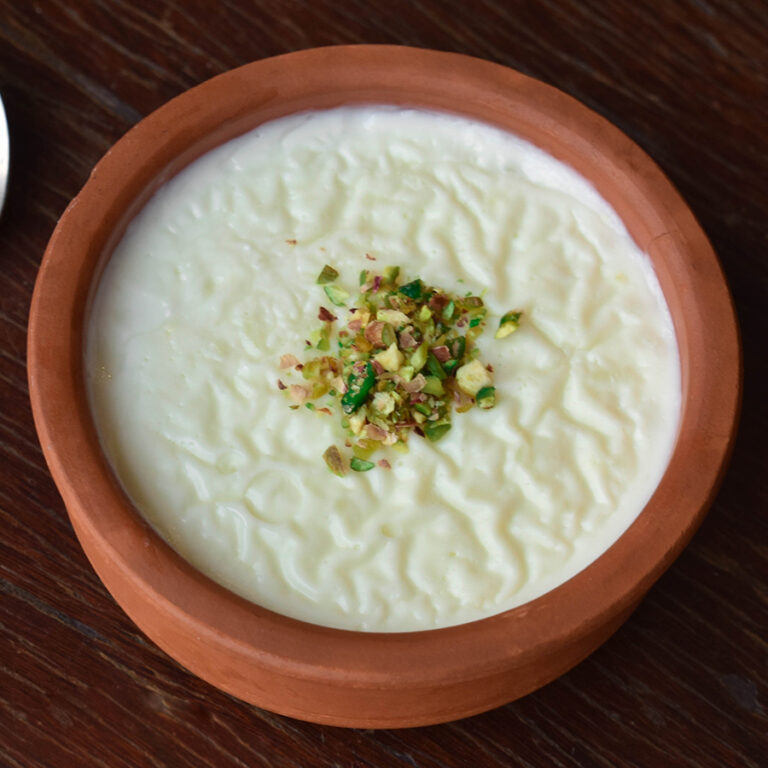
If you have ever visited Lebanon or the Middle East, chances are you have come across ashta, one of the most beloved ingredients in traditional Arabic sweets. This rich, delicate dairy cream is an essential component of many Lebanese and Middle Eastern desserts, prized for its naturally mild sweetness and wonderfully silky texture. Whether tucked inside znoud el sit, layered in knafeh, spooned into atayef, or paired with osmalleyieh mafroukeh and maamoul mad, ashta brings a luscious creaminess that makes these sweets truly irresistible.
Unlike a heavily sweetened pudding, traditional ashta has a subtle sweetness that comes naturally from the milk. Its consistency is thick, creamy, and delicately decadent, somewhere between a rich milk pudding and fresh cream. It is this distinctive texture and gentle flavor that make it so versatile in Middle Eastern pastry-making.
How Was Traditional Ashta Made?
Traditionally, ashta was made by slowly heating fresh, unpasteurized cow’s or sheep’s milk. As the milk simmered, a rich layer of cream gradually formed on its surface. This precious cream was carefully skimmed off, collected, and left to cool. In essence, the cream that naturally rose to the top of the milk was the heart of traditional ashta, making it a wonderfully rich and prized ingredient.
You may still find fresh ashta at traditional pastry shops in Lebanon and elsewhere in the Middle East. However, one important thing to keep in mind is that freshly made ashta has a very short shelf life and needs proper refrigeration.
Can You Make Ashta at Home?
Absolutely! Although traditional ashta-making has its own charm, you can prepare a delicious homemade version using simple pantry ingredients. Over the years, I have developed more than one ashta recipe in my repertoire, choosing different methods depending on the dessert I am making. Some versions are better suited to filling pastries, while others work beautifully in layered desserts and sweets that call for a softer, creamier consistency.
The recipe I am sharing here is particularly well suited to our tart-style maamoul, but its uses extend far beyond that. You can spoon it into pastries, use it as a filling for Middle Eastern sweets, or incorporate it into your favorite ashta-based desserts. It is one of those handy recipes worth keeping in your repertoire, especially if you love making Lebanese sweets at home.

Jazarieh Layer: A Crunchy Lebanese Candied Pumpkin Topping
Jazarieh (Lebanese Candied Pumpkin) is a delightful match for ashta (Lebanese clotted cream). If you haven’t tried it before, jazarieh is a distinctive Lebanese sweet made from shredded candied pumpkin, known for its wonderfully crisp, crunchy texture. Spread it evenly over the ashta layer, allowing its delicate sweetness and satisfying crunch to contrast beautifully with the rich, silky cream. The combination is simply irresistible!
 Click to Read about Jazarieh (Lebanese Candied Pumpkin).

Frequently Asked Questions
Can I use jam instead of jazarieh in this tart?
Absolutely! While jazarieh (Lebanese candied pumpkin) provides a lovely crunchy contrast to the creamy ashta and buttery maamoul crust, you can substitute your favorite thick jam or fruit preserve. Choose something with a firm consistency rather than a thin or runny jam, which could make the topping messy. Quince jam (mraba safarjal) is another wonderful option and pairs beautifully with the ashta.
Can I make this maamoul tart ahead of time?
Yes! You can prepare the components separately to save time. The maamoul crust and ashta can each be made up to one day ahead, wrapped tightly, and refrigerated. The jazarieh can be prepared up to two weeks in advance and kept refrigerated.
How long does the assembled maamoul tart last in the refrigerator?
Once assembled, cover the tart well and refrigerate it for 4–5 days. Keep it chilled until ready to serve to maintain the freshness of the ashta and the overall texture of the tart.

More Middle Eastern Dairy Based Sweets
- Click Authentic Halawet El Jiben
- Click Knafeh Bil Ashata
- Click Lebanese Ashtalieh
- Click Lebanese Milk Ice Cream
- Click Maamoul Mad Bil Ashta (Cream Filled Bars)
- Click Authentic Lebanese Rice Pudding (Riz Bil Haleeb)
- Click Layali Lubnan (Lebanese Semolina Pudding)
- Click Muhallabia with Apricot Coulis

 Let’s Stay in Touch!
Facebook, Instagram, YouTube , Pinterest and TikTok!

Middle Eastern Maamoul Tart with Ashta & Pistachios
Description
Equipment
- 1 round tart tin (30 cm / 12 inches in diameter, preferably with a removable bottom)
Ingredients
For the Unfussy Butter Cookie Maamoul Crust:
- 200 g / 7 oz unsalted butter
- 60 g / ½ cup powdered sugar
- 220 g / 1 ¾ cups all-purpose flour
- 40 g / ¼ cup fine semolina
- 1 teaspoon mahlab
- 1 tablespoon orange blossom water
For the Emerald Layer of Pistachios:
- 2 cups raw shelled pistachios
- 90 g / ¾ cup powdered sugar
- 4 tablespoons orange blossom water
For the Ashta (Lebanese Clotted Cream):
- 1 liter / 4 cups whole milk
- 200 ml / ¾ cup heavy cream
- 4 tablespoons cornstarch
- 2 tablespoons semolina
- ¼ teaspoon mastic gum crushed with a pinch of sugar, highly recommended
To Assemble and Finish:
- 2 cups jazarieh or quince jam as a substitute
Instructions
To make the unfussy butter cookie maamoul crust:
- Preheat the oven to 200°C/400°F. Place a rack in the center of the oven.
- Place the flour, semolina, and powdered sugar in a bowl.
- Melt the butter over low heat and pour it over the flour mixture. Add the mahlab and orange blossom water. Using your fingers, mix the ingredients well until you end up with a malleable dough.
- Grease a 30 cm (12-inch) round tart tin, preferably one with a removable bottom.
- Dump the malleable dough into the tart tin and spread it out evenly with your fingers along the bottom and sides. Prick evenly all over with the tines of a fork.
- Bake for about 12 to 15 minutes, or until it turns a light golden color. Let the tart crust cool completely in the pan. Loosen the edges with a knife and delicately transfer it to a large, flat serving plate.
To make the emerald layer of pistachios:
- Place the pistachios in a food processor and pulse a few times to a coarse consistency.
- Transfer the pistachio mixture to a bowl, add the sugar and orange blossom water, mix well to fully incorporate, and set aside.
To make the ashta (Lebanese clotted cream):
- Place the milk, heavy cream, semolina, crushed mastic gum, and cornstarch in a large saucepan over medium heat, whisking constantly.
- Continue whisking until the mixture boils and thickens to the consistency of custard. Stir in the orange blossom water. Place a piece of waxed paper directly on top to prevent a skin from forming, and set aside to cool completely.
- To assemble:First, make sure the crust has completely cooled down.
- Evenly spread the emerald pistachio mixture onto the cooled, baked tart crust.
- Top with the cooled ashta, spreading it evenly over the pistachio layer with a spoon.
- Garnish with the jazarieh (Lebanese Candied Pumpkin). Happy eating!
Notes