

Why This Professional Restaurant-Style Recipe Works
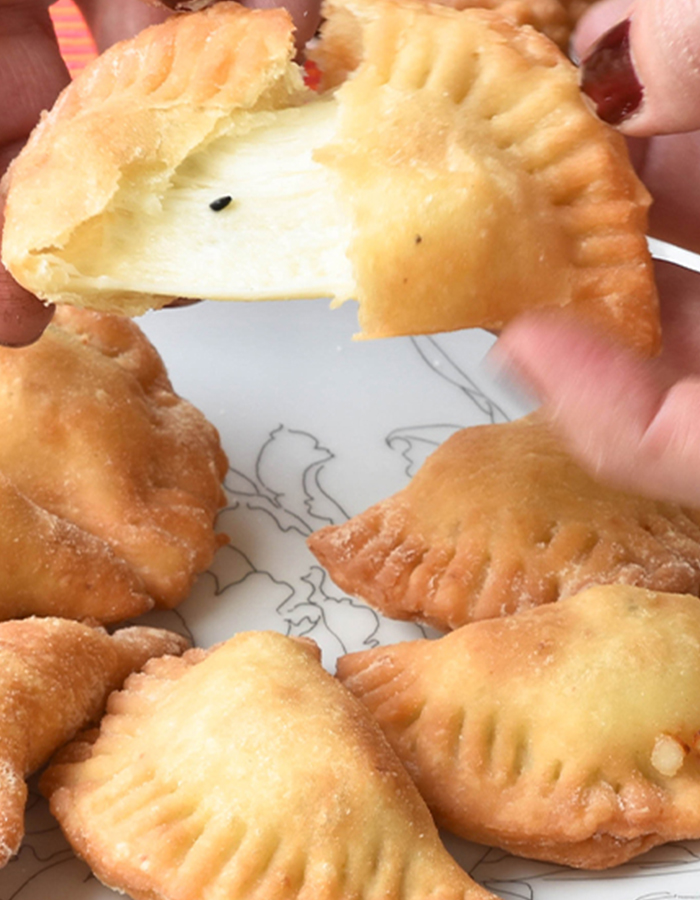
1. The Ultimate Flaky Sambousek Dough
2. A Stovetop-Stabilized Cheese Filling
3. Balanced, Unapologetic Flavor
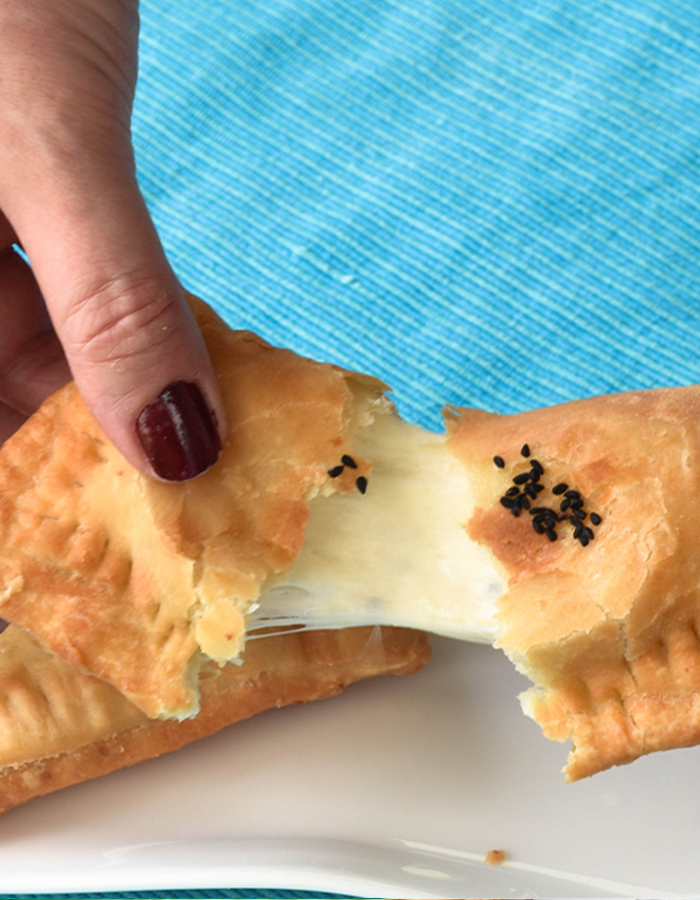
Recipe Variations & Shaping Techniques
-
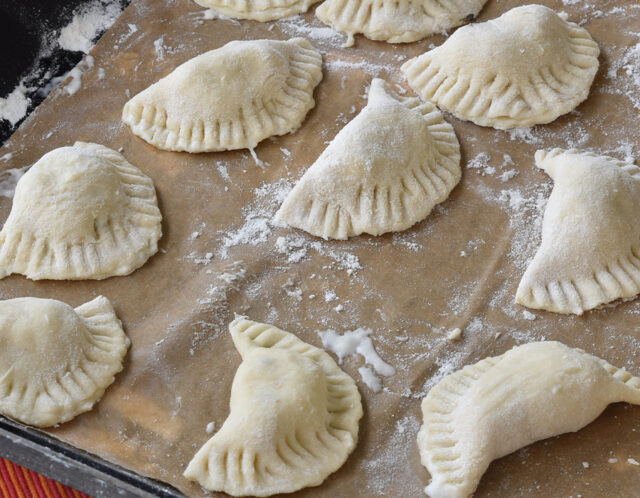
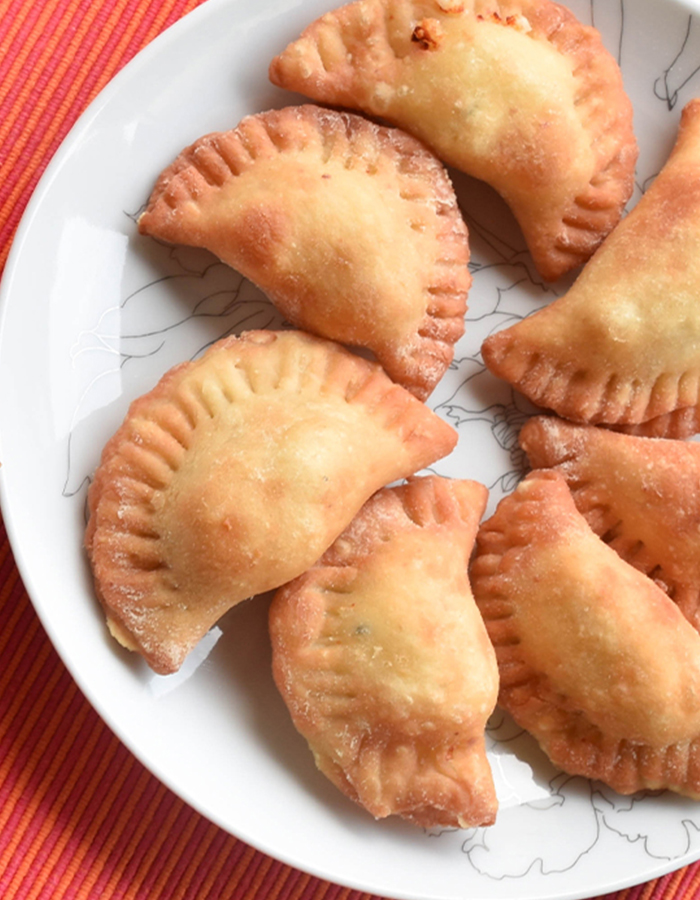
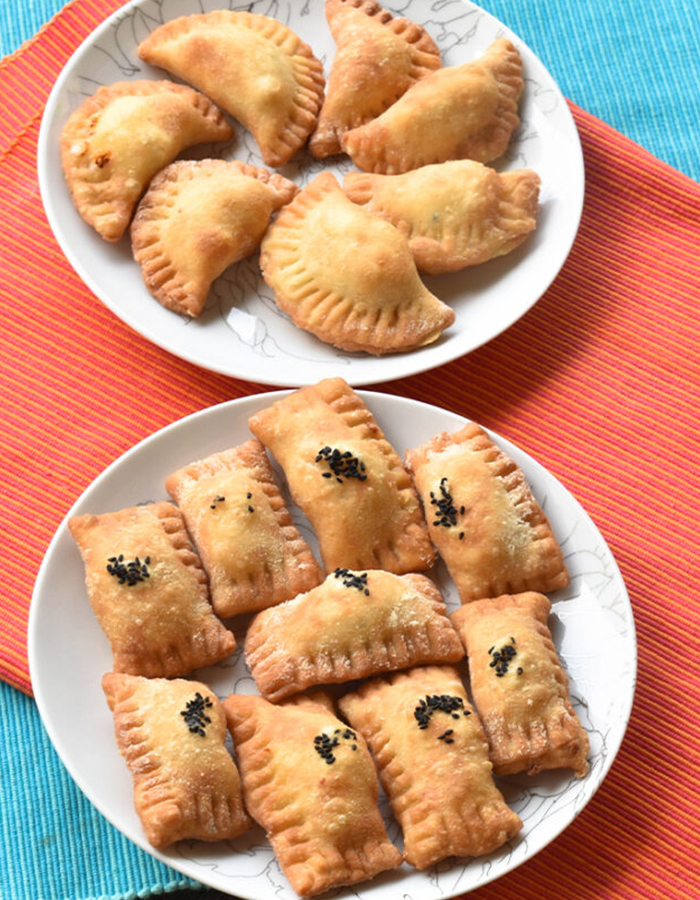
- Traditional Crescents: Fold the dough over the cheese and crimp the edges into perfect crescents, mimicking traditional Middle Eastern styling or classic empanadas.
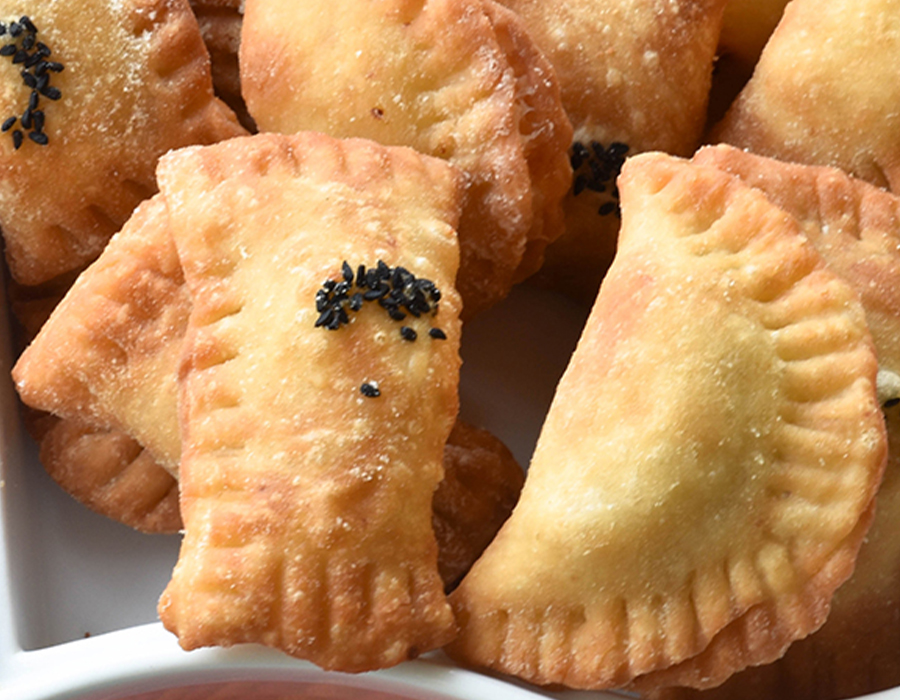
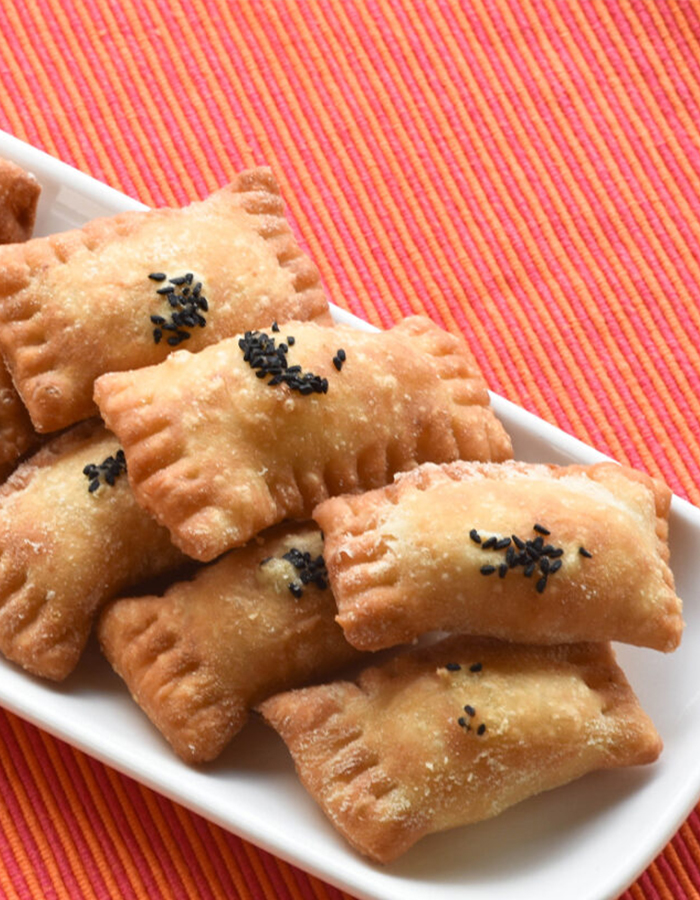
- Rectangular Böreks: Cut and seal the dough into uniform rectangles, similar to ravioli, for a modern restaurant aesthetic.
- Make-Ahead & Freezing: Shape the pastries ahead of time, arrange them in a single layer on a baking sheet to freeze, and then transfer them to a freezer bag. Fry them straight from the freezer whenever guests arrive!
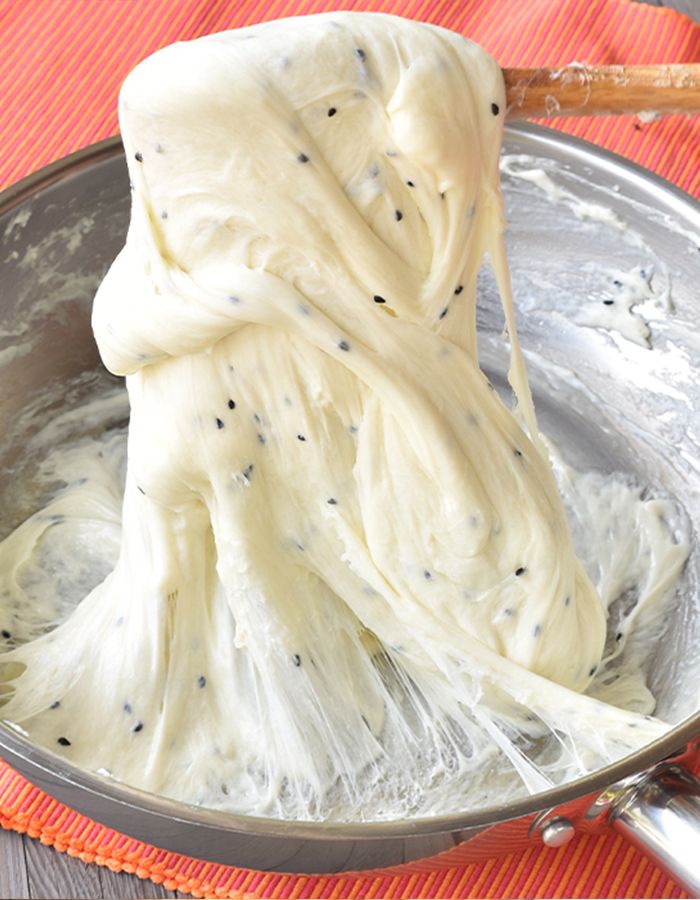
Why add a roux to the cheese filling?
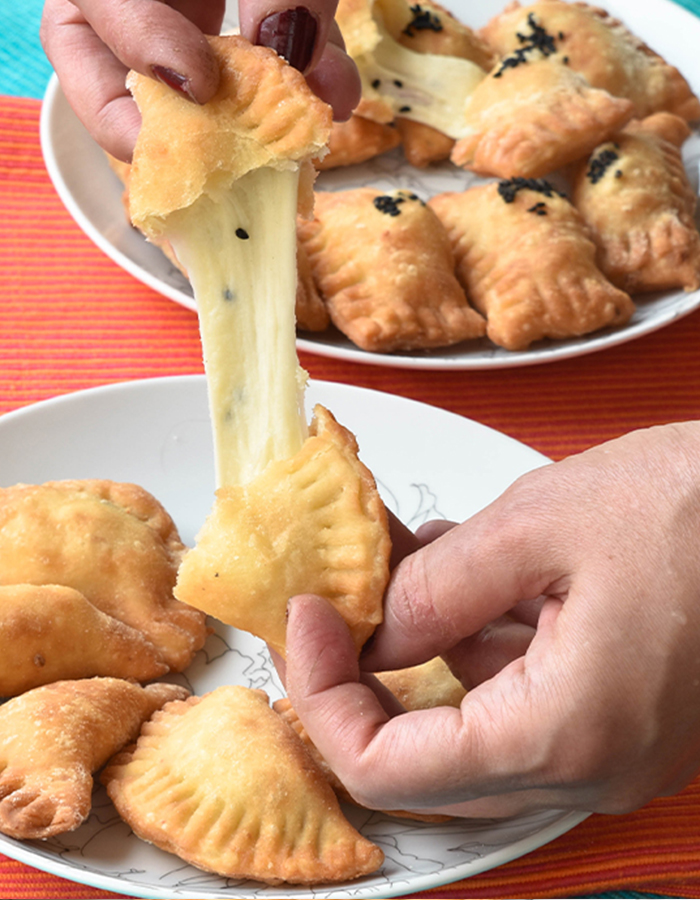
Frequently Asked Questions
What type of cheese should be used?
Why should you flour the work surface and rolling pin?
Do we have to add nigella seeds to the filling?
Can I make the cheese sambousek/borek with ready-made puff pastry?
Can I make the dough ahead of time?
Can cheese borek/fried cheese puffs be made ahead of time?
Can I bake the sambousek instead of frying them?
Can I make sambousek with different fillings?
What is the ideal oil temperature for frying?
How many pieces can I fry in the same batch?
Why freeze the cheese sambousek/borek for a few minutes before frying?
How do I serve cheese sambousek/borek?
Can cheese borek/fried cheese puffs be made ahead of time?
Can I bake the sambousek instead of frying them?
Can I make sambousek with different fillings?
What is the ideal oil temperature for frying?
How many pieces can I fry in the same batch?
Why freeze the cheese sambousek/borek for a few minutes before frying?
How do I serve cheese sambousek/borek?
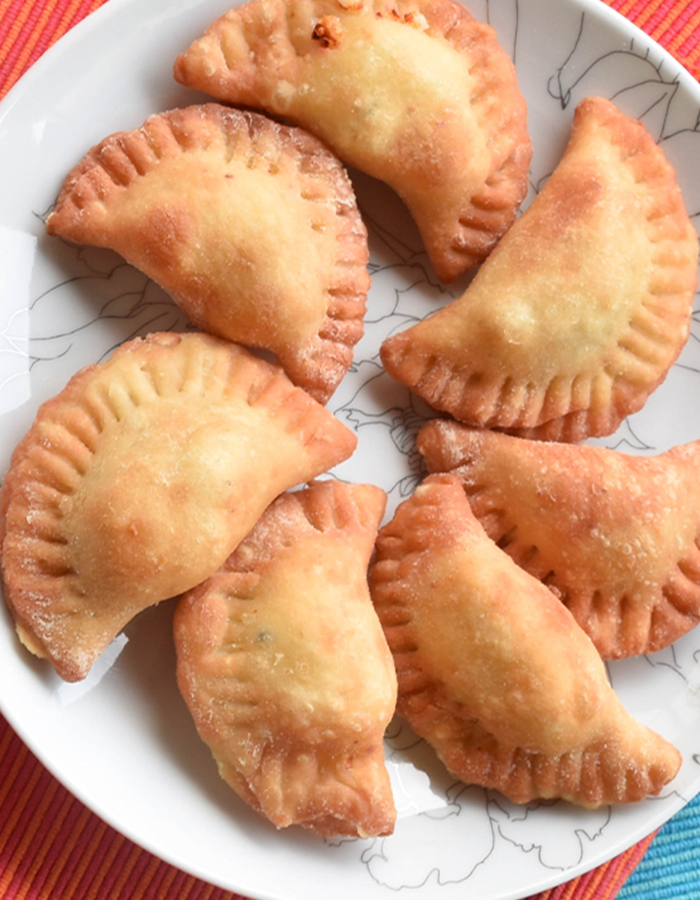
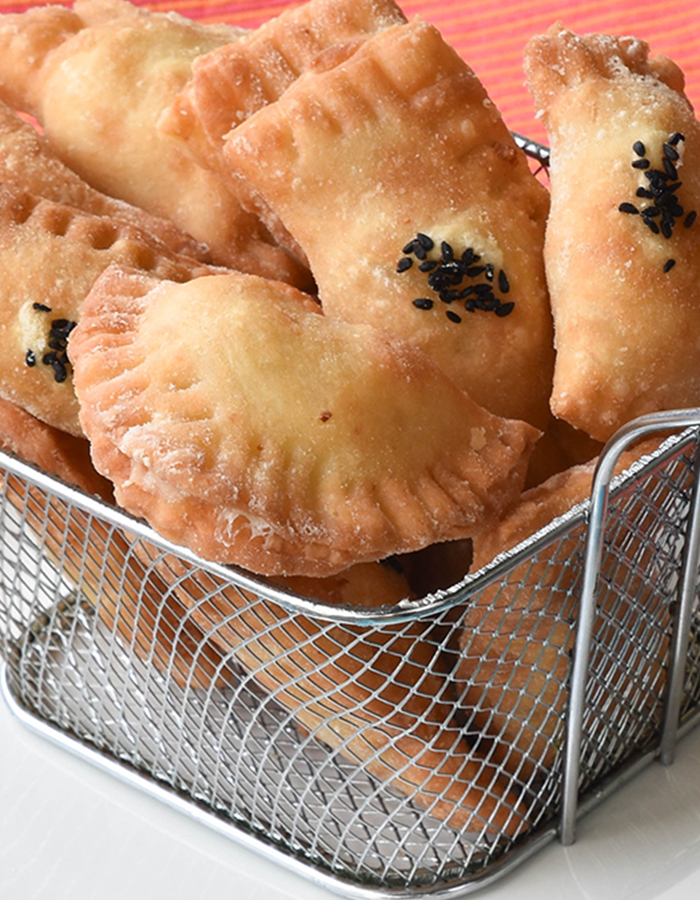
How to Make Sambousek / Cheese Börek
Make the Dough
In a bowl, combine the flour, beaten egg, white vinegar, sugar, and salt. Add the water gradually, as needed, to create a stiff dough. Start with ½ cup of water and add more only if necessary. You want the dough to become elastic and uniform in texture, but keep it firm and stiff—do not add too much water.
The next step is incorporating the fat into the dough. The butter smooths and moistens the dough, while also tenderizing the gluten. Add the butter and continue kneading thoroughly until it is completely incorporated and the dough is smooth, shiny, and elastic.
Cover the dough with cling film and refrigerate overnight. The dough can be refrigerated for up to 3 days before using.
Make the Filling
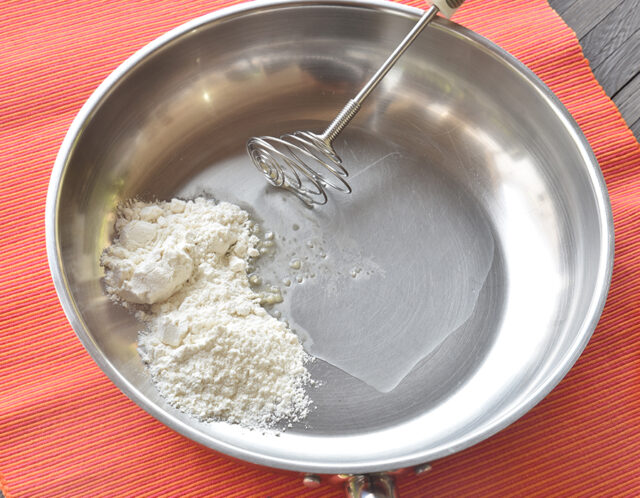
Add the sunflower oil to a saucepan and warm it for a few seconds over medium heat. Add the flour and whisk to combine, forming a smooth paste. Cook for about 30 seconds.
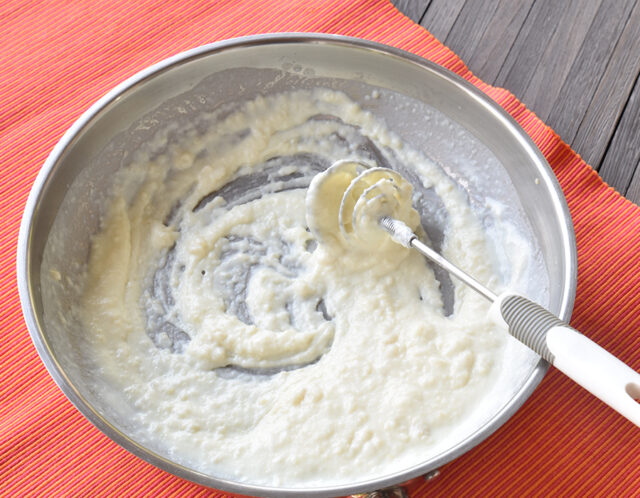
Add 1 cup of the milk and whisk constantly to remove any lumps. If a few lumps remain, don’t worry—they will dissolve completely once the cheese is added. Continue stirring until the mixture thickens.
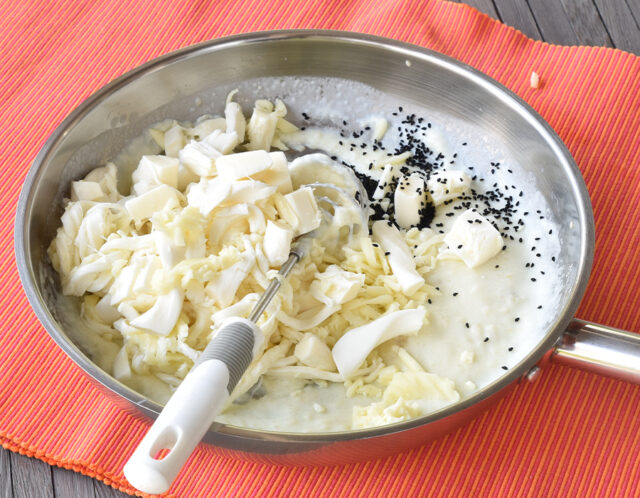
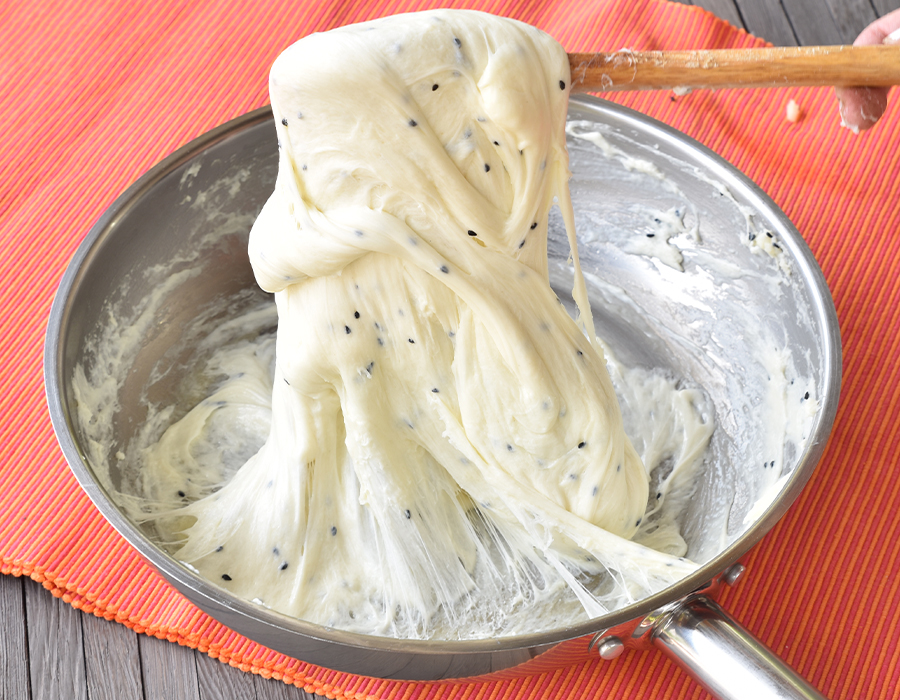
Add the cheeses and nigella seeds, if using. Continue whisking over medium heat until the cheese has melted and everything is thoroughly combined into a smooth, cohesive filling.
Assemble the Sambousek
Once the dough has rested, lightly flour your work surface and rolling pin. Remove the dough from the refrigerator, knock it back, and divide it into two equal portions.
Working with one portion at a time, roll the dough out on the floured surface to about ¼ inch / 6 mm thick. The dough can become sticky as you roll, so keep some extra flour nearby and dust the work surface as needed.
Using a pizza cutter, cut the dough into 2 × 2-inch / 5 × 5-cm squares. Alternatively, you can use a round cutter to make circles.
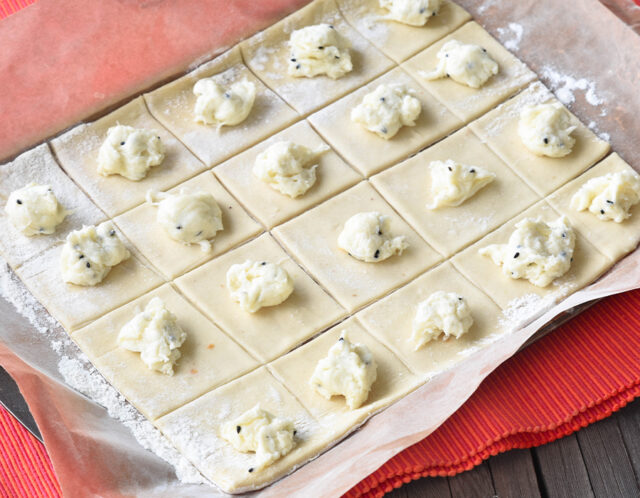
Place about 1 tablespoon of filling in the center of each square or circle.
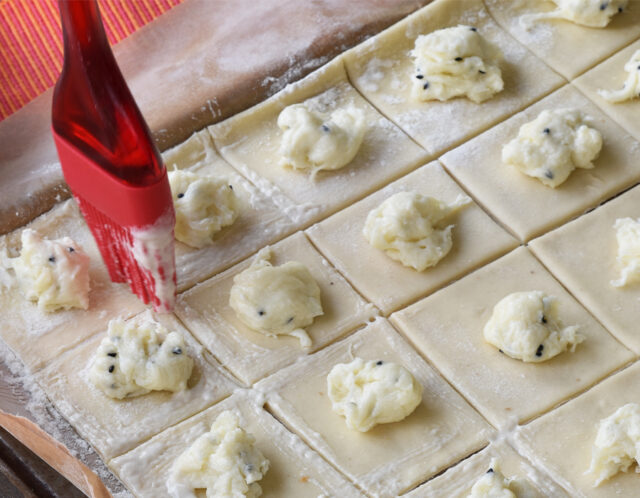
To make the flour slurry, combine a little flour and water in a small bowl, mixing until you have a moderately thick consistency. Brush the slurry around the borders of each piece of dough. This extra step helps seal the edges and prevents the filling from leaking out during frying.
Carefully fold each square or circle in half, completely covering the cheese filling. Press the edges firmly to seal, then crimp the edges with the back of a fork.
Fry
Heat the oil to approximately 350°F / 180°C. Once the oil is hot, carefully add a few sambousek at a time, making sure not to overcrowd the pan.
Fry for about 2–3 minutes, turning as needed, until both sides are beautifully golden brown and crisp.
Transfer the sambousek to a plate lined with paper towels to absorb any excess oil. Continue frying the remaining sambousek.
Serve and devour them hot, straight out of the fryer!
I’ve also provided a detailed video tutorial above to guide you through the process.
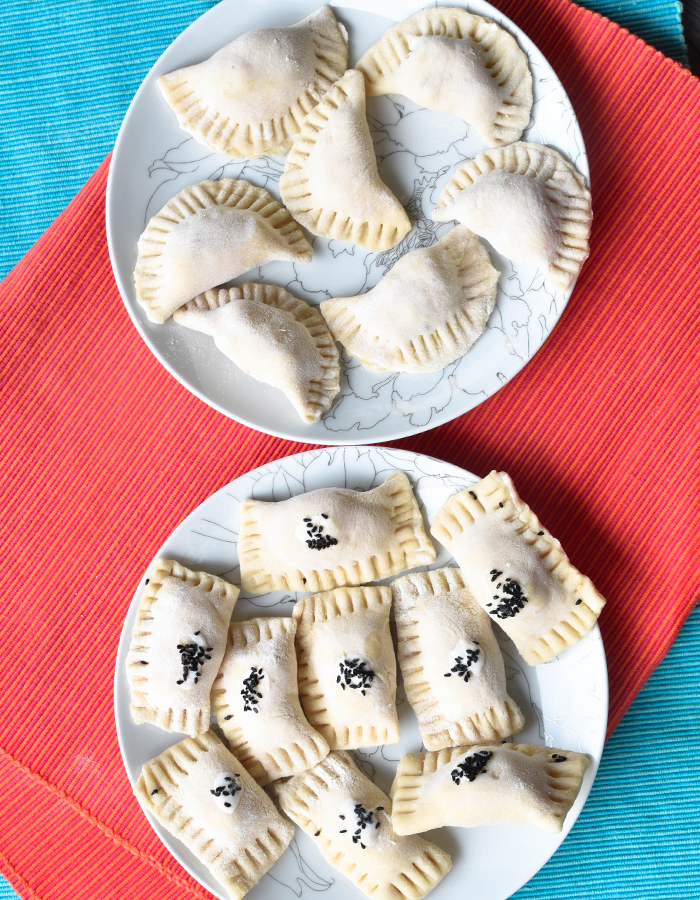
How to Freeze Cheese Sambousek/Börek
Line a sheet pan with parchment paper. Arrange the sambousek in a single layer, making sure they are separated and not touching each other.
Freeze for several hours, or until completely frozen. Once frozen, remove the sambousek from the pan and transfer them to a zip-top freezer bag. This will prevent them from sticking together.
Ingredients
-
All-purpose flour
-
Mahlab
-
Vinegar
-
Sugar syrup or granulated sugar
-
Sugar
-
Egg
-
Salt
-
Butter
-
Cheese
-
Milk
-
Nigella seeds
Craving more Middle Eastern fried and baked recipes for inspiration?
Sfeeha / Lebanese Meat Pies: Served as part of a Lebanese mezze or as a main dish accompanied by plain yogurt.
Lebanese Meat Fatayer: Lebanese fatayer firmly sit on our list of favorite comfort foods. They show up at gatherings, wedding buffets, and every special occasion throughout Lebanon and the Middle East.
Antep Lahmacun: Have you ever tried the Gaziantep version of lahmacun? If not, you are seriously missing out!
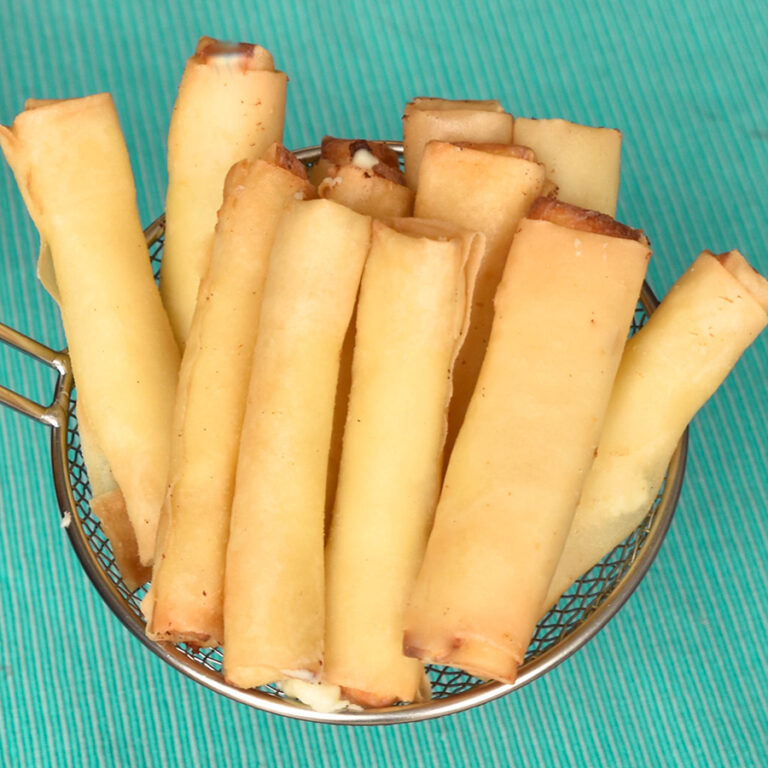
Lebanese Meat Rolls: These rolls are ideal for parties and gatherings, and they look great on your holiday buffet. When I make them, I usually double the quantity because they freeze perfectly. And the good news? They can go directly from the freezer to the fryer.
Cheese Sambousek/ Cheese Borek
Description
Ingredients
For the Dough
- 500 grams / 1 lb 2 oz / 3¼ cups all-purpose flour
- 1 teaspoon mahlab optional
- 1 tablespoon white vinegar
- 1 teaspoon salt
- 1 egg
- 2 tablespoons sugar syrup or granulated sugar
- 100 grams / 3.5 oz butter at room temperature
- Water as needed — start with ½ cup and add more as needed to create a dry dough
For the Cheese Filling
- 500 grams / 1 lb 2 oz cheese a mixture of mshallaleh, majdoola, and mozzarella
- You can use mozzarella alone, or a mixture of mozzarella and Swiss cheese.
- 3 tablespoons sunflower or canola oil
- 2 tablespoons all-purpose flour
- 1 cup milk
- A pinch of nigella seeds optional
- ¼ teaspoon mahlab optional
For the Flour Slurry
- ⅓ cup all-purpose flour
- ⅓ cup water
Instructions
- To make the dough: In a bowl, combine the flour, beaten egg, white vinegar, sugar, and salt. Add water as needed to create a stiff dough. Start with ½ cup of water and add more as needed until you have an elastic, uniform dough. Keep the dough firm and stiff; do not add too much water.
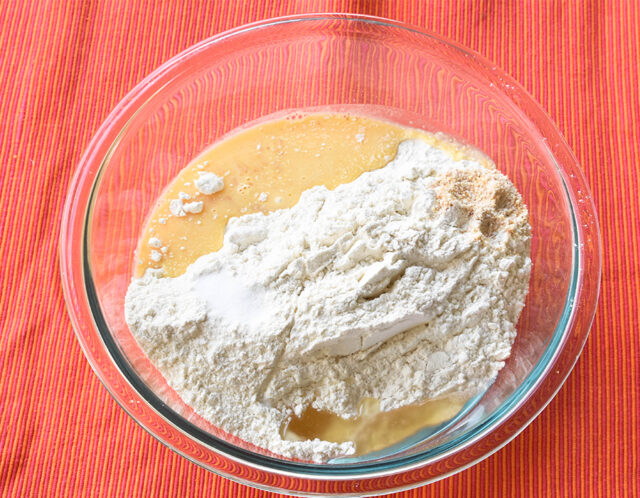
- Knead the dough until smooth and elastic, about 5 minutes. Wrap the dough in plastic wrap and let it rest at room temperature for at least 20 minutes. This is an essential part of the process.
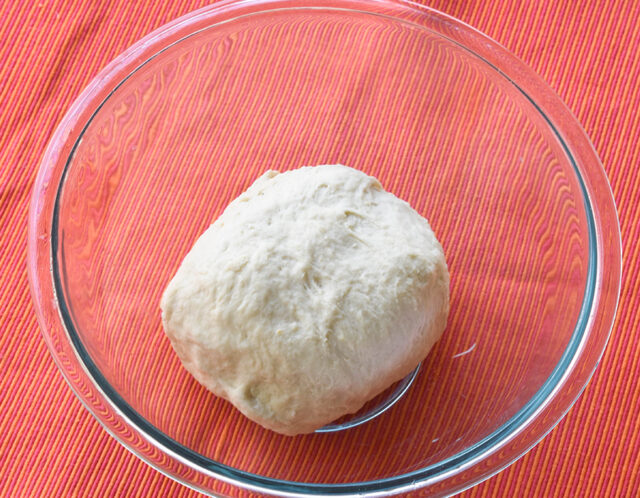
- The next step is incorporating the fat into the dough. The fat softens and moistens the dough while tenderizing the gluten structure. Add the butter and continue kneading thoroughly until it is completely incorporated and the dough is smooth, shiny, and elastic.
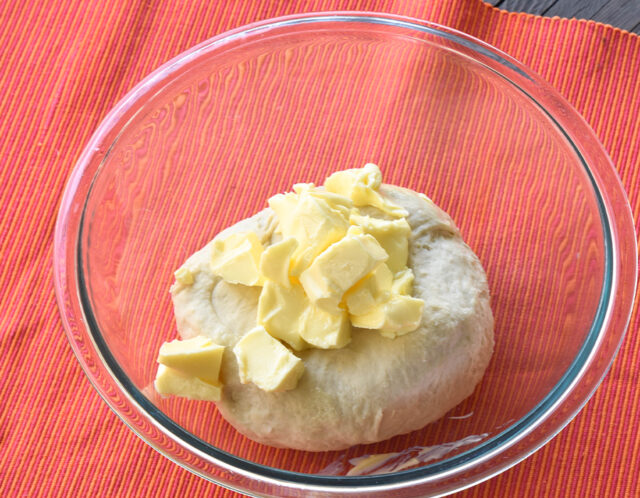
- Cover with cling film and refrigerate overnight. The dough can be refrigerated for up to 3 days before using. It is ideal for any recipe that calls for puff pastry and is the easiest alternative to traditional puff pastry.
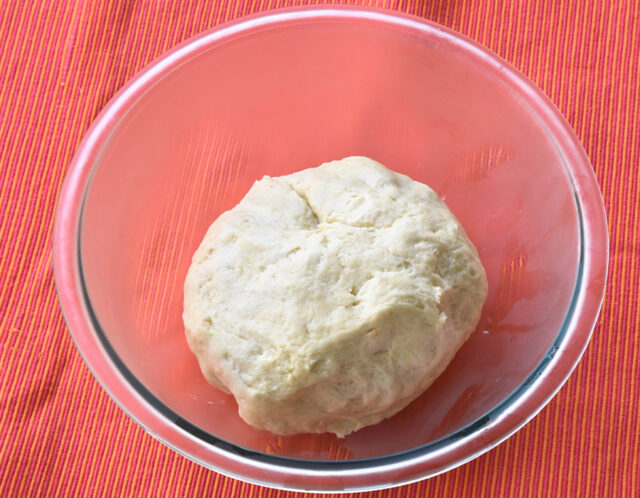
- To make the filling: Add the sunflower oil to a saucepan and warm it for a few seconds before adding the flour. Once the flour has been added, whisk it together with the oil to form a paste, then let it cook for 30 seconds.
- Add 1 cup of the milk and whisk constantly to remove any lumps. If you still have some lumps, don’t worry—they will dissolve completely once you add the cheese. Keep stirring until the mixture thickens completely.
- Add the cheeses and nigella seeds (if using), and whisk constantly over medium heat until the cheese melts and everything is well combined.
- You should end up with a smooth, pliable, and stretchy mixture with no lumps. Leave it to cool completely before filling the sambousek.
To Put Together: Make the Rectangular Shapes
Remove the dough from the refrigerator, knock it back, then remove it from the bowl and divide it into two equal portions.Working with one portion at a time, roll the dough out on a lightly floured work surface to a thickness of 1/4 inch / 6 mm using a rolling pin. The dough can become sticky, so keep some extra flour nearby and dust the work surface as needed.Using a pizza cutter, score the dough into 5 x 5 cm (2 x 2 inch) squares. The exact dimensions are not important, but the thickness is. You can make the squares larger if you prefer.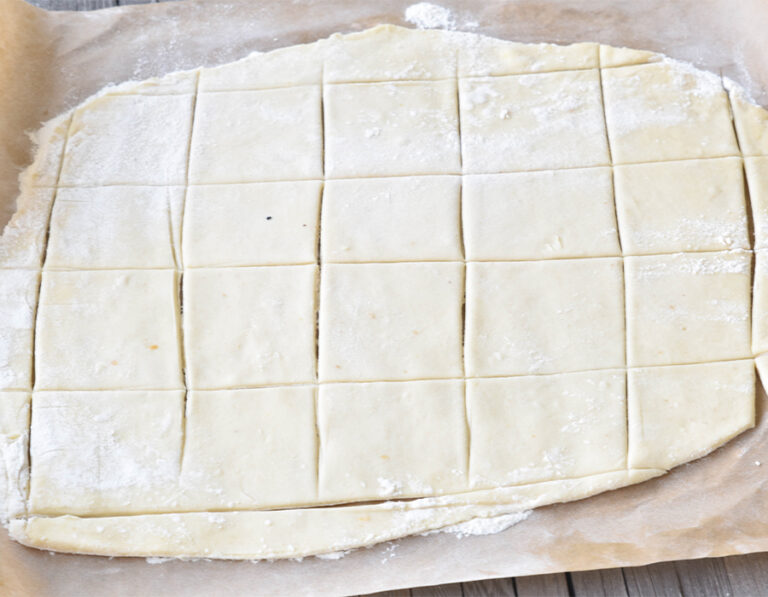
- Fill each square of dough by placing a heaping tablespoon of filling in the center.
- Make the flour slurry by combining flour and water in a small bowl to form a moderately thick consistency. Brush the borders of each square with the slurry. This extra step helps bind the edges together and prevents the filling from leaking out during frying.
- Fold two corners over the filling to form a small rectangle. Using a fork, crimp the edges of the sambousek together to seal. Make sure the turnover is tightly sealed to help prevent the filling from leaking out while frying.
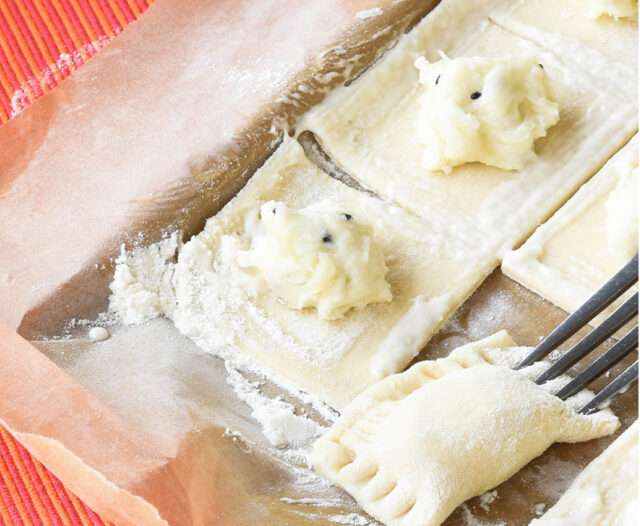
- Ready to fry or freeze!
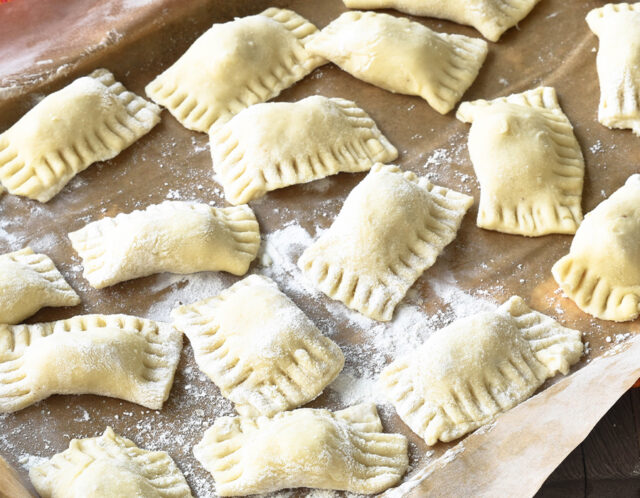
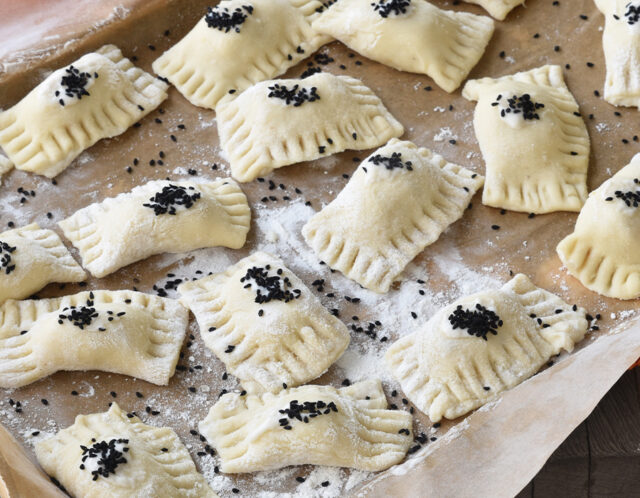
- Alternatively, you can garnish the center of each sambousek with nigella seeds. Brush the center with the flour-and-water slurry, then sprinkle with nigella seeds, if desired.
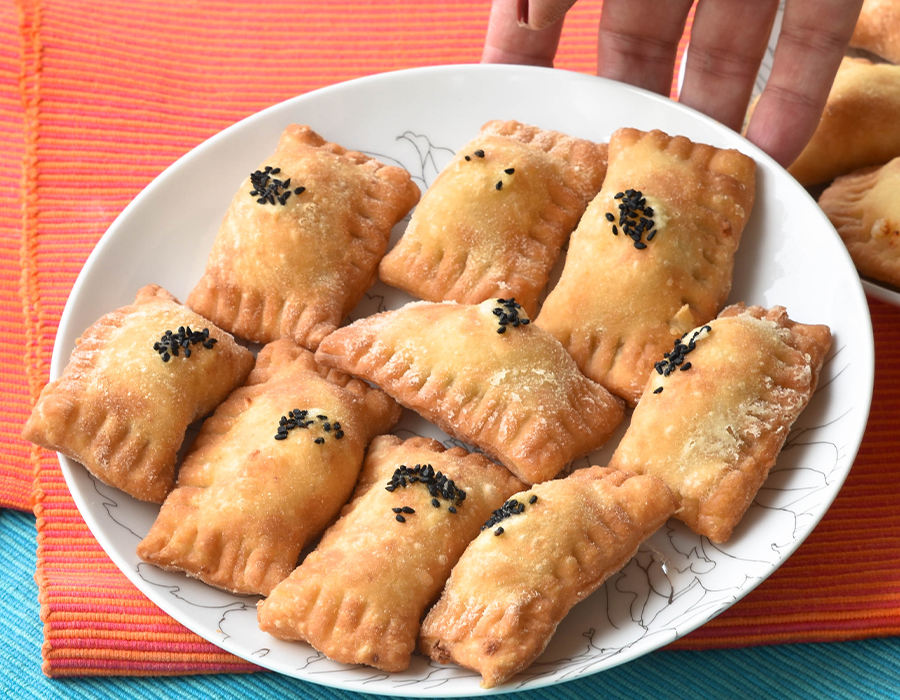
- Heat the oil to the appropriate frying temperature, about 350°F/180°C. When ready, carefully add a few sambousek, making sure not to overcrowd the pan. Fry for 2–3 minutes, then flip. Once both sides are golden brown, transfer the sambousek to a plate lined with paper towels. Repeat with the remaining sambousek.
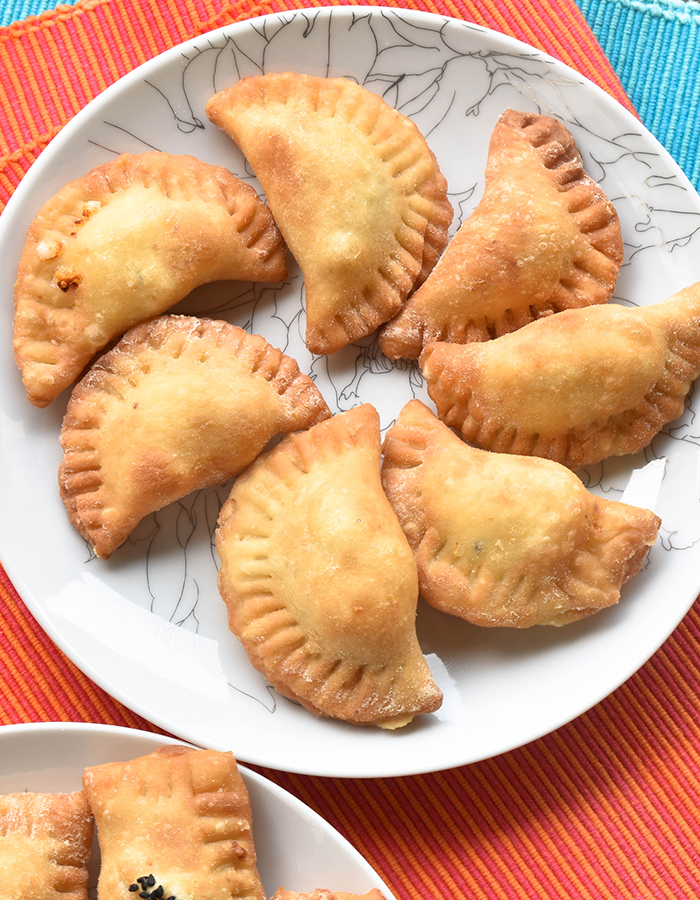
- Alternatively, you can shape the sambousek/börek into a half-moon shape, just like you would when making empanadas! Here’s the technique:
- Remove the dough from the refrigerator, knock it back, then remove it from the bowl and divide it into two equal portions. Working with one portion at a time, use a rolling pin to roll the dough out on a floured work surface to a thickness of 1/4 inch (6 mm).
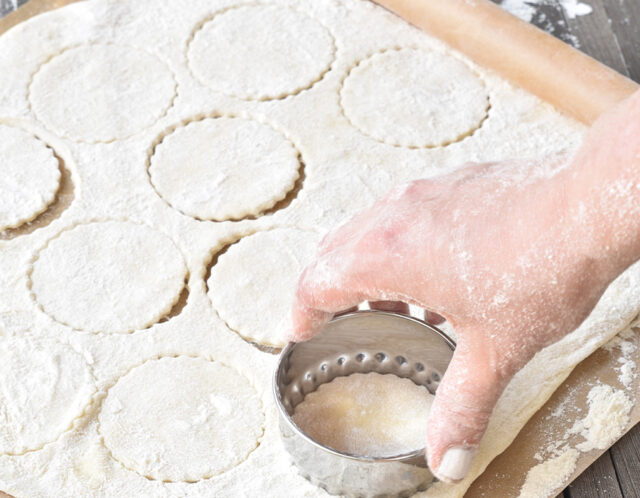
- Using a 4-inch (10 cm) cookie cutter, cut the dough into circles. Gather any scraps, reroll the dough, and cut out more circles.
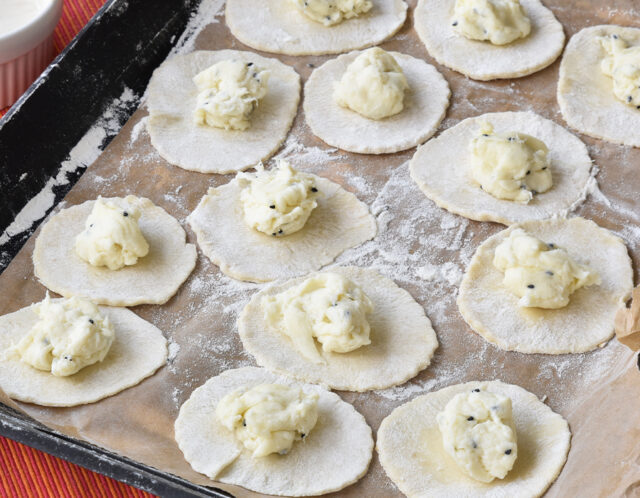
- Fill each circle with a heaping tablespoon of filling, placing it in the center.
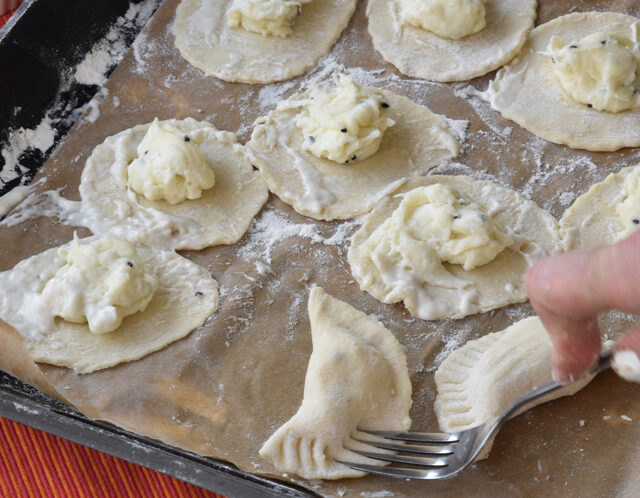
- Carefully fold the circle in half to form a half-moon shape. Press the edges firmly to seal. Crimp the edges with the back of a fork.
- Heat the oil to the proper frying temperature, usually 350°F/180°C. When ready, carefully add a few sambousek to the oil, making sure not to overcrowd the pan. Fry for 2–3 minutes, or until golden, then flip. Once both sides are golden brown, transfer the sambousek to a plate lined with paper towels. Continue frying the remaining sambousek in batches.