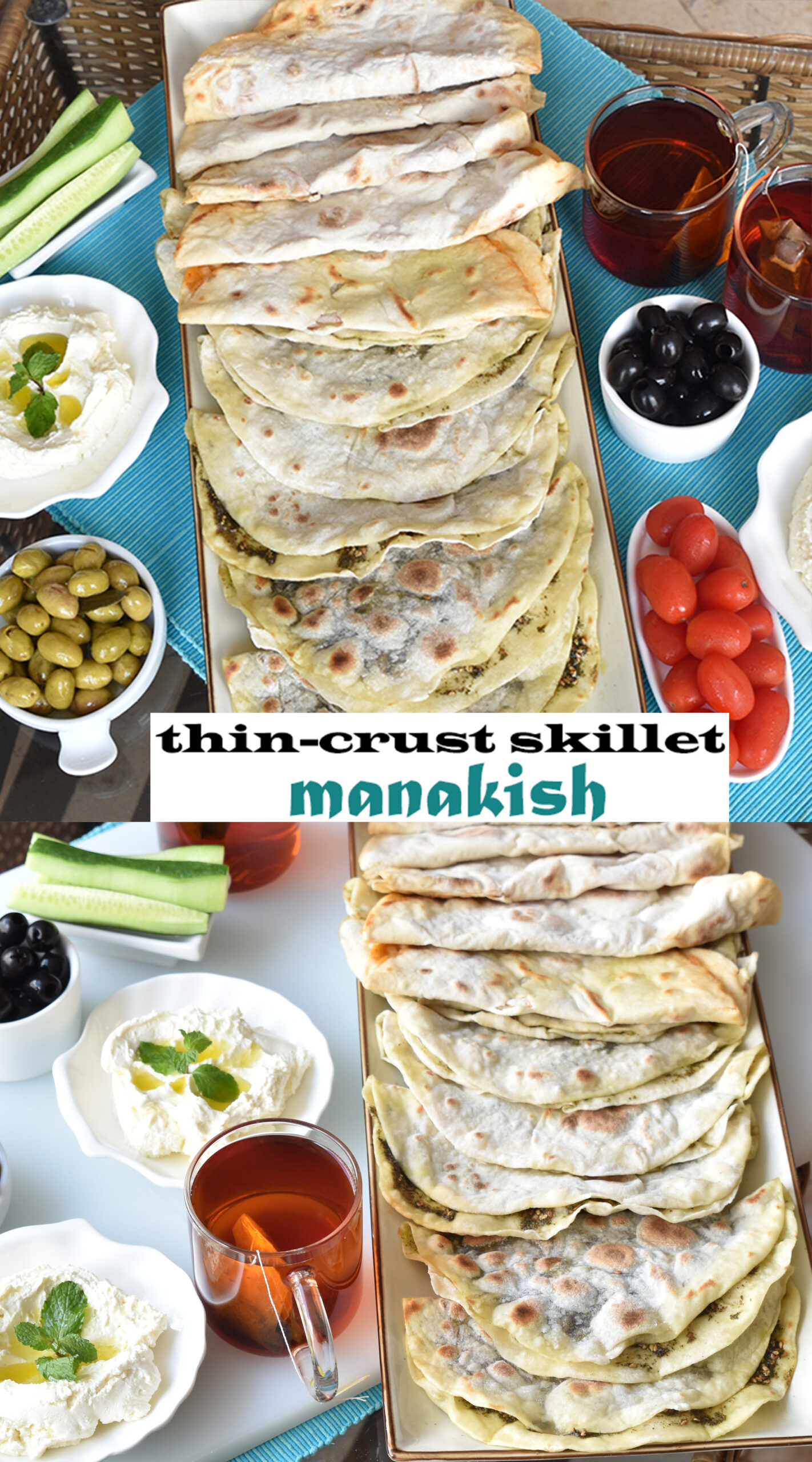


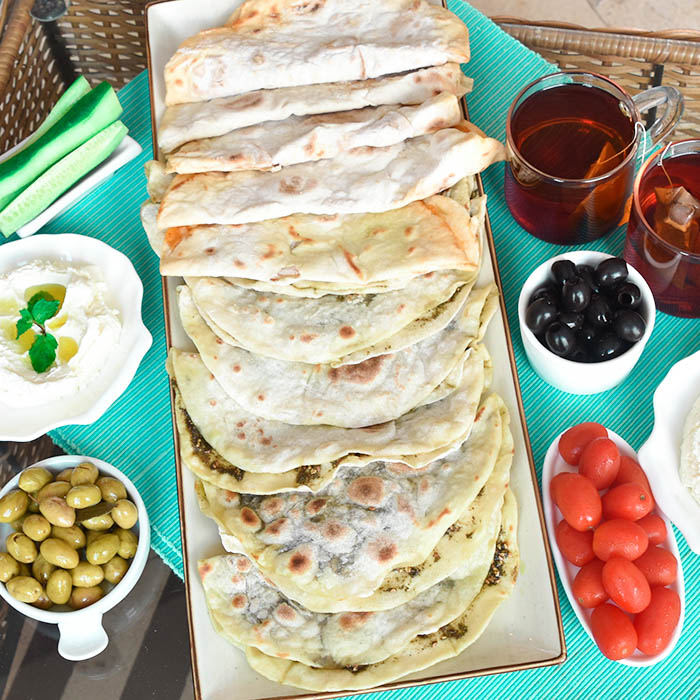
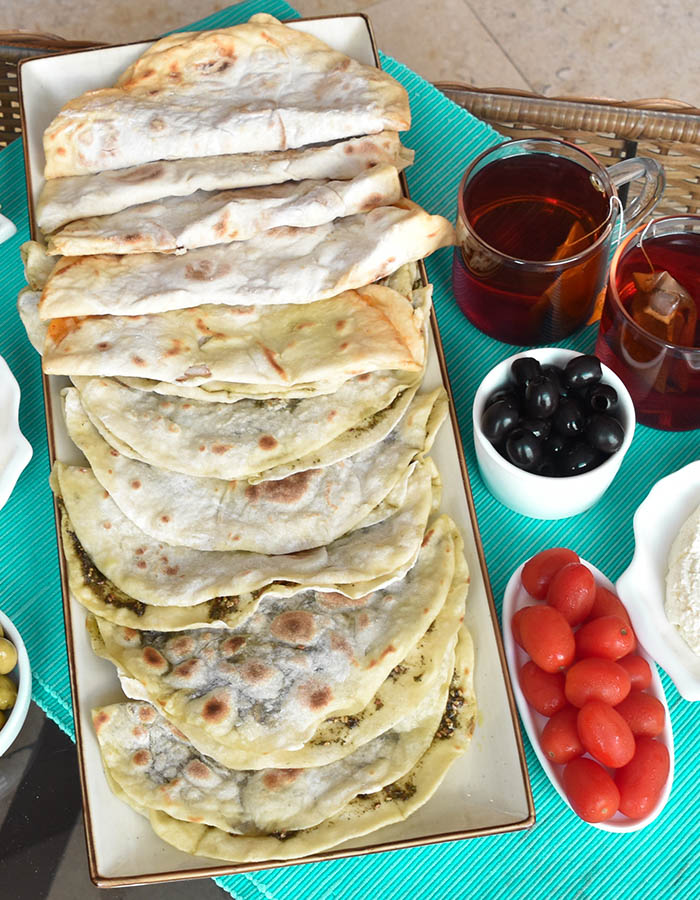
What do you do when you’re craving manakish but don’t want to crank up the oven? You make thin-crust skillet manakish!
If you’re a regular reader of our blog, you’ve probably come across our popular oven-baked manakish recipe featuring four different toppings. This version is just as delicious, but with a different dough texture. The dough is rolled thin, somewhat similar to saj bread. The heat from the skillet gives it a lovely crispness and a nice crunch around the edges, while still holding up to whatever toppings you want to throw on it!
I started making stovetop manakish years ago for those moments when a manakish craving hits and I wasn’t in the mood to clean up the oven (lazy lady!). It’s such a simple project that all you need is a non-stick skillet and a stovetop.
Other toppings would work beautifully, too, so check out our manakish recipe for inspiration!
Make Ahead
The manakish dough needs an hour to rise, but once that process is complete, you can refrigerate it for up to 24 hours. Having leftover manakish dough and zaatar, kishik, or any other filling in the fridge makes this an easy breakfast project to get started on the second day. Just make sure to let the dough come back to room temperature before stretching it.
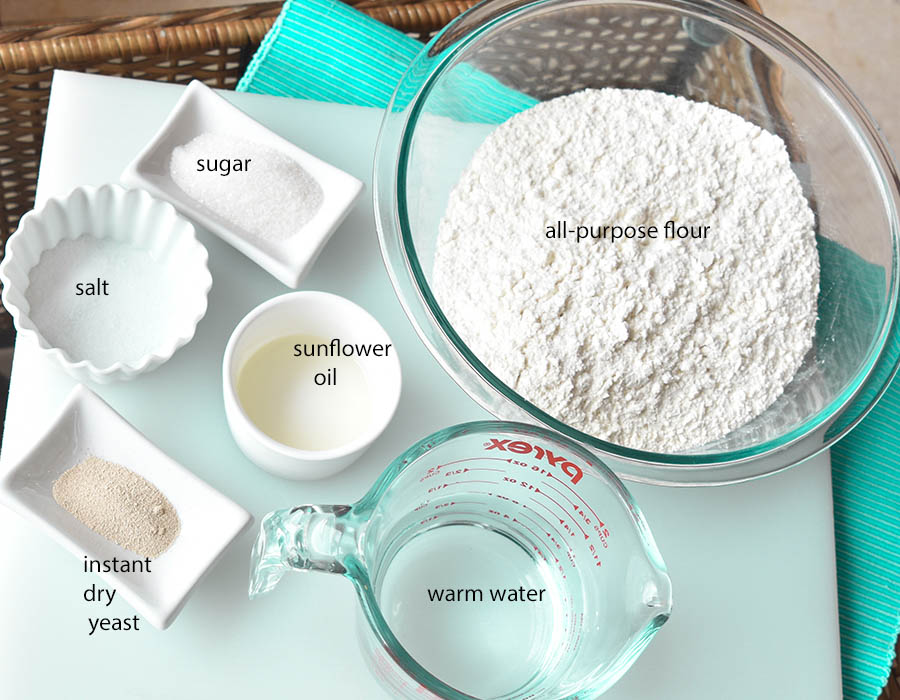
Dough Ingredients
-
All-Purpose Flour
-
Sugar
-
Salt
-
Sunflower Oil
-
Warm Water
- Instant Dry Yeast
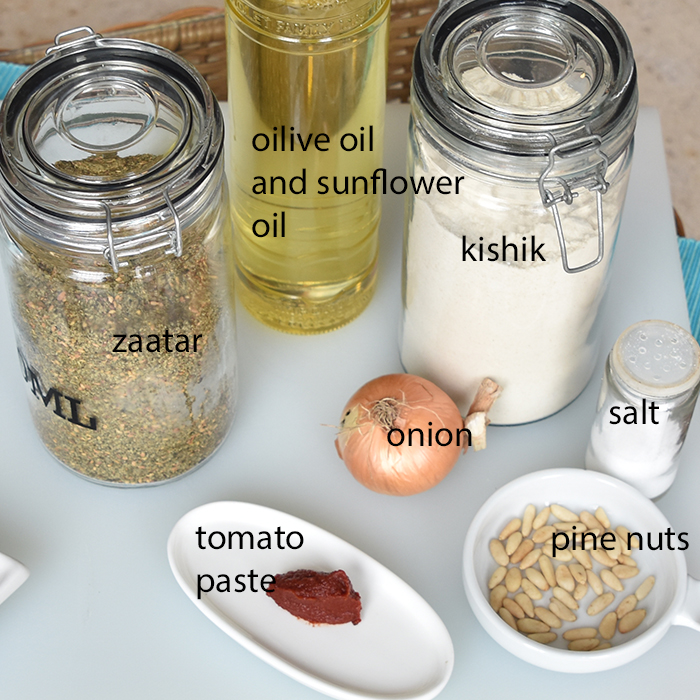
Zaatar Topping
-
Zaatar
-
Olive oil, or a combination of olive oil and sunflower oil
Kishik Topping
-
Kishik
-
Onion
-
Tomato paste
-
Olive oil or sunflower oil
-
Pine nuts, optional
-
Cayenne pepper, optional
-
Salt, to taste
How to Make Lebanese Skillet Manakish
Make the Dough
In a medium bowl, combine the flour, sugar, instant dry yeast, and salt. Mix with a fork or spatula until well combined. Add the water and knead until the dough begins to come together. Add the oil and knead again until you have a soft, pliable dough.
Rest the Dough
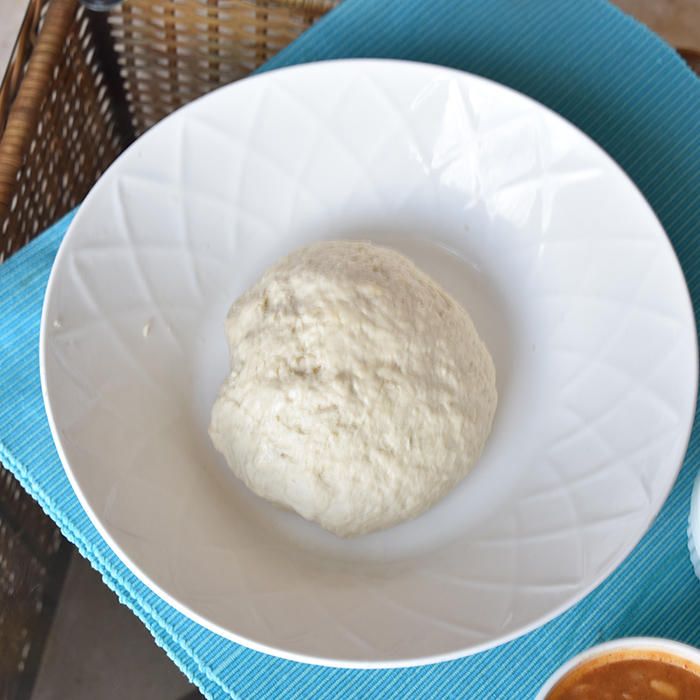
Cover the dough with cling film and set it aside in a warm place for 1 hour. Resting the dough makes it easier to roll out.
Prepare the Filling
For the zaatar filling, combine the zaatar with the olive oil, or with a combination of olive oil and sunflower oil, in a bowl. Mix until you have a moderately thick paste. Cover and set aside.
To make the kishik filling, combine the onion, kishik, olive oil, tomato paste, a pinch of salt, cayenne or hot pepper, and pine nuts, if using, in a small bowl. Mix until you have a moderately thick paste. Cover and set aside.
Portion the Dough
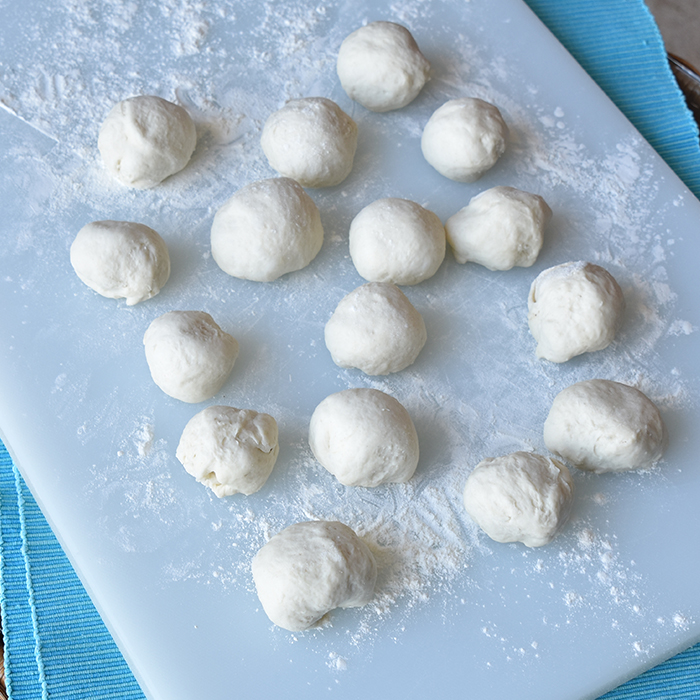
Divide the dough into 16 equal portions and shape each portion into a small ball.
Roll Out the Dough
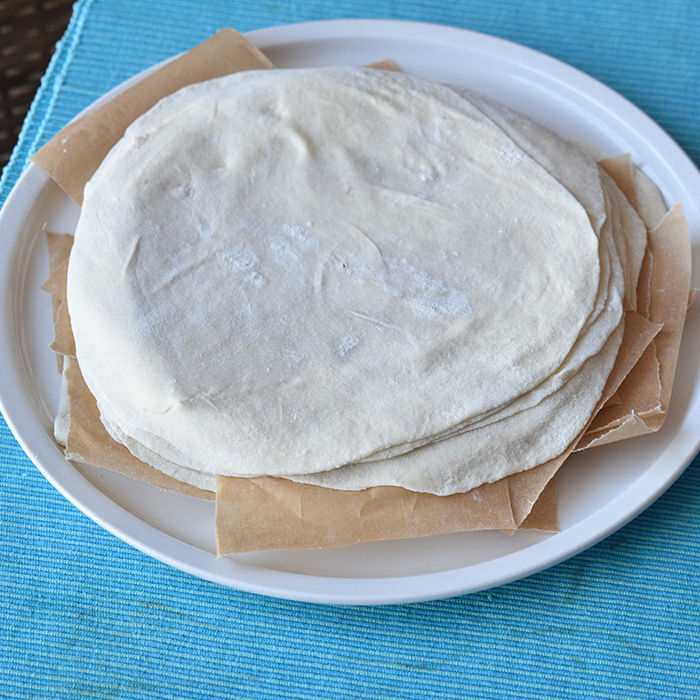
On a lightly floured surface, roll out each ball separately into an 8-inch/20-cm round. I prefer the dough to be quite thin. Stack the rolled-out rounds, placing a piece of parchment paper between each one to prevent them from sticking together.
Cook the Manakish
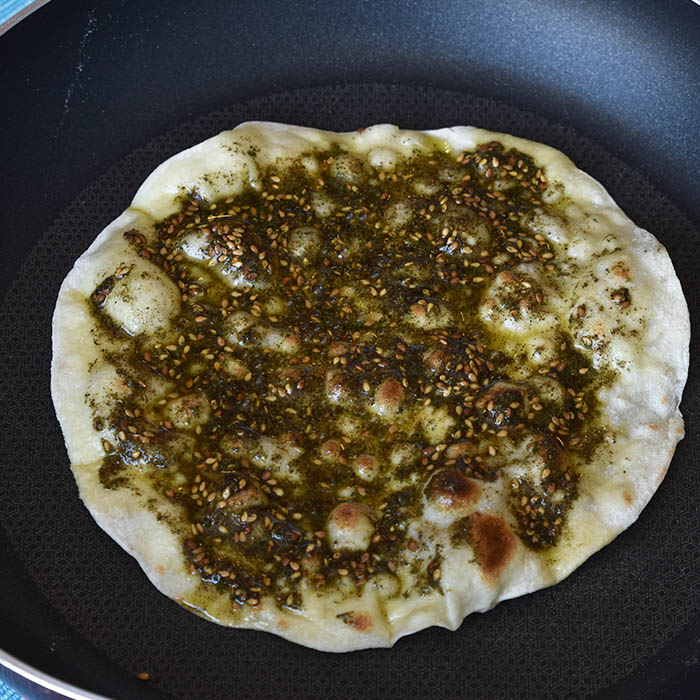
Preheat a dry, non-stick skillet over medium-high heat. Cook each round of dough for about 1 minute, until bubbles form and golden spots appear on the underside.
Flip the dough, then spread approximately 1 tablespoon of the zaatar-and-oil mixture, or your favorite filling, over the surface, leaving a ¼-inch border around the edge. Cook for another minute on the other side.
If the manakish are taking too long to cook, increase the heat. If the pan is browning them too quickly, reduce the heat accordingly.
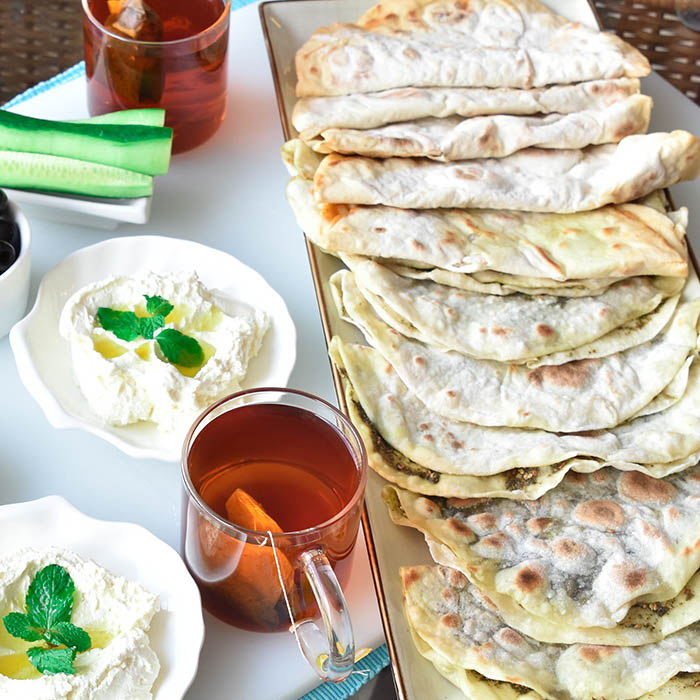
What to serve with thin-crust skillet manakish?
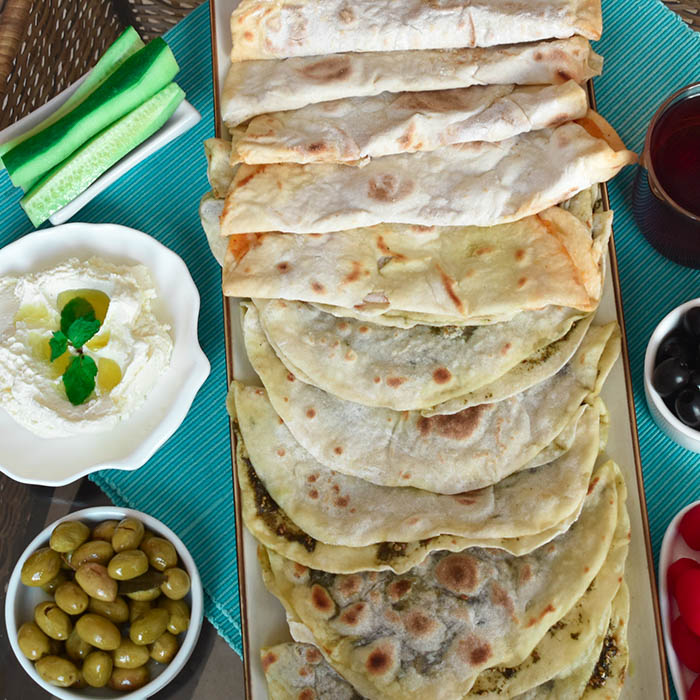
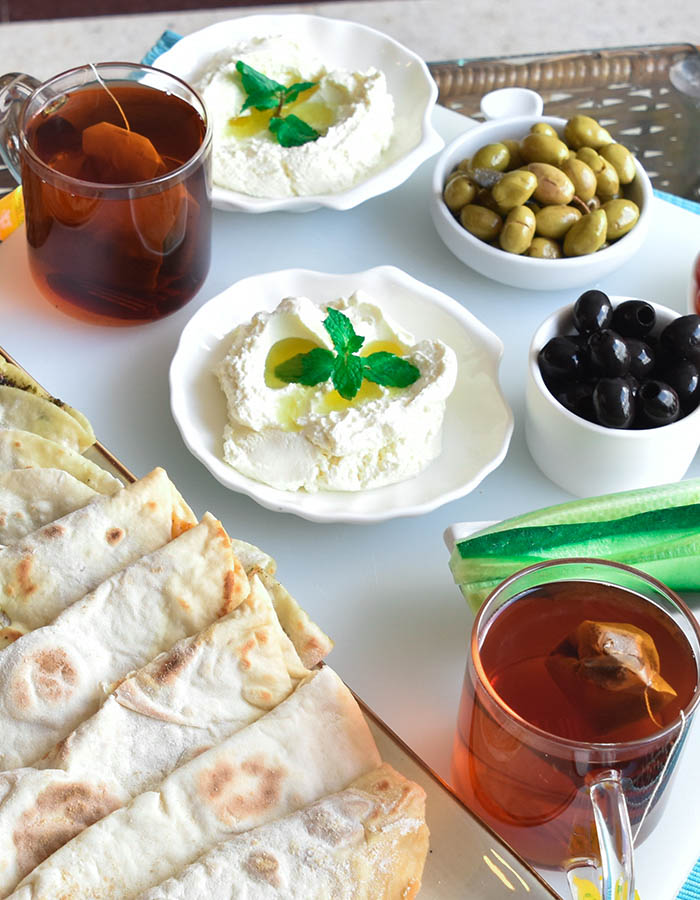
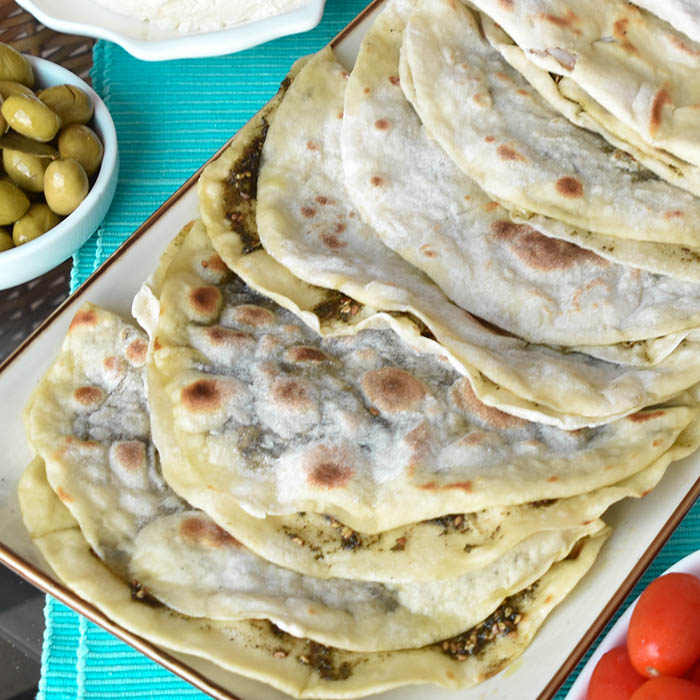
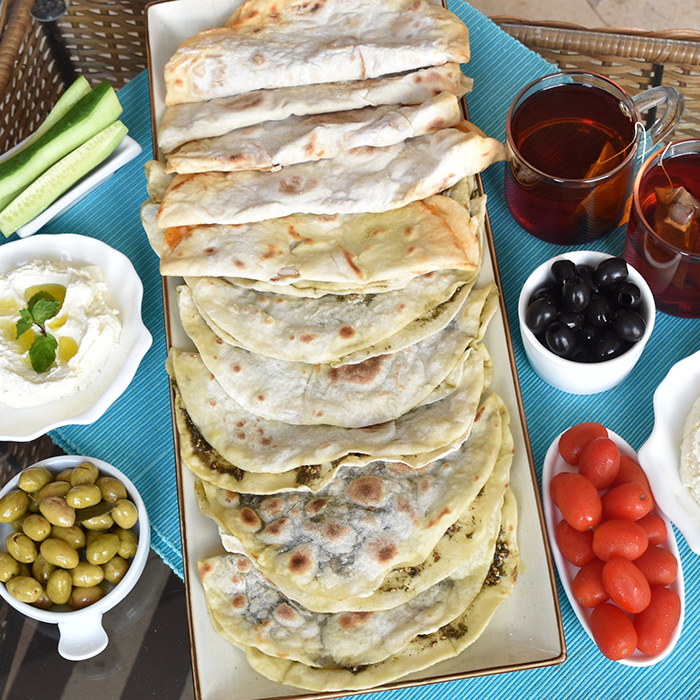
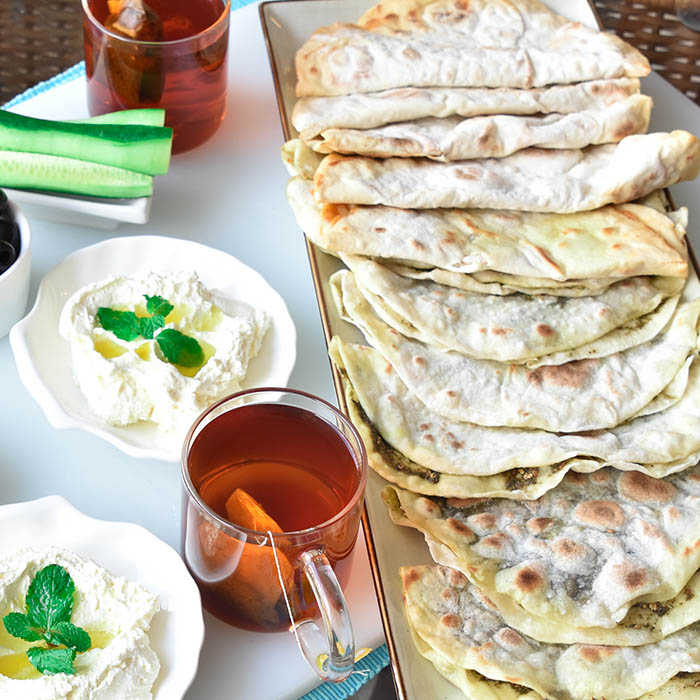
Serve warm skillet manakish with labneh, labneh balls, olives, and freshly brewed black tea. Heavenly delicious!
Tips and Tricks
Heat a non-stick skillet over medium heat. Depending on how thinly you’ve rolled your manakish, you may need to adjust the heat and cooking time. For crispy manakish, roll the dough thin; for softer manakish, roll it a little thicker.
For the dough, I call for lukewarm water and recommend it be around 100°F / 38°C. Water that’s too hot can kill the yeast, while water that’s too cold can affect the rise.
Don’t add too much filling (watch the video). Manakish don’t need much topping, and too much can result in a soggy man’ouche. A thin, even layer is perfect.
Skillet manakish are best eaten right away, while they’re still warm from the skillet. But if you need to eat them later, cover them with a tea towel; they’ll steam, stay warm, and remain soft.
Please don’t miss the chance to take the last one off the skillet, butter it, and add a generous pinch of sugar. Enjoy it while it’s still steaming, fattening, and maybe a little bit of a crime—but absolutely heartwarming.
Rolling the dough thinly with a rolling pin and regulating the skillet heat as you cook creates the signature bubbles of a beloved man’ouche, making the manakish soft, flexible, and wonderfully chewy.
Looking for more savory Lebanese baked goods? We’ve got you covered.
- Manakish, Lebanese Flat Bread
- Sfeeha, Lebanese Meat Pies
- Meat Fatayer, Lebanese Meat Turnovers
- Kalita North Lebanese Flat Kaak
- Kaak Alasrieh
- Vegetable Manakish
 Let’s Stay in Touch!
Facebook, Instagram, YouTube , Pinterest and TikTok!
Thin-Crust Skillet Manakish
Description
Equipment
- 1 large non-stick skillet
Ingredients
For the Dough
- 500 grams all-purpose flour plus extra for rolling the dough
- 1 tablespoon granulated sugar
- 1 teaspoon instant dry yeast
- 1 teaspoon salt
- 1 cup warm water or as needed to make a malleable dough
- 1 tablespoon sunflower oil
For the Za’atar Topping
- ½ cup za’atar
- ⅓ cup olive oil or a mixture of olive oil and sunflower oil
For the Kishik Topping
- ½ cup kishik see note below
- 1 small onion finely chopped
- ½ teaspoon tomato paste
- ⅓ cup olive oil or more as needed to form a paste
- A dash of chili flakes optional
- 3 tablespoons pine nuts optional
- A pinch of salt
Instructions
- To make the dough: In a medium bowl, combine the flour, sugar, instant dry yeast, and salt. Mix with a fork or spatula until well combined. Add the water and knead until the dough begins to come together. Add the oil and knead again until you have a soft, smooth, and pliable dough.Adding the oil at the end of mixing makes the dough exceptionally silky and soft. Cover with cling film and set aside in a warm place for 1 hour. Resting the dough allows it to relax, making it easier to roll out.
- Divide the dough into 16 equal-sized mounds and shape each one into a small ball.
- On a lightly floured surface, roll each ball separately into an 8-inch/20 cm round. I prefer mine thin. Stack the rolled dough, placing a piece of parchment paper between each round.
- Preheat a dry non-stick skillet over medium-high heat. Cook each piece of dough for 1 minute, until bubbles form and golden spots appear on the underside. Flip the dough and spread roughly 1 tablespoon of the zaatar-and-oil mixture, or your favorite topping mixture, over the surface, leaving a ¼-inch border. Cook for another minute on the other side.If the manakish is taking too long to cook, increase the heat. If the pan is browning the manakish too quickly, reduce the heat.
- Serve right away with a cup of brewed tea, labneh, and olives.
Video
Notes
Health Benefits of Za'atar & Olive Oil
When we were young, our elders encouraged us to eat za’atar and olive oil wraps before heading to school, especially on exam days. They told us that za’atar would make us smarter! Years later, we thought this was simply a myth invented during the war in Lebanon to encourage young people to eat za’atar, especially when food and supplies were scarce and za’atar was readily available in nearly every household. Today, scientific research has found that za’atar herbs contain antioxidants and various compounds that may support overall health. Za’atar also provides minerals, vitamins, and essential oils, and some of its ingredients have been studied for potential effects on memory, mood, and immune function. Maybe our elders were onto something after all!