

Hareesa
A Lebanese wheat-berry porridge made with chicken, patience, and plenty of love
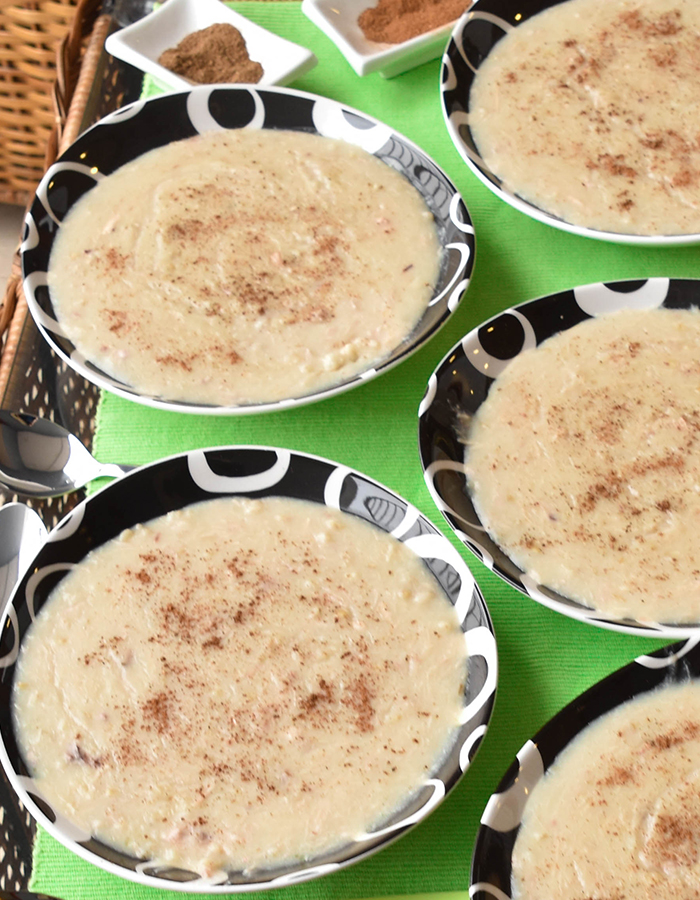
Hareesa, sometimes pronounced hrisa, is a beloved Lebanese wheat-berry porridge made with chicken or meat. Traditionally prepared during Ashura, in the month of Muharram, it is much more than a comforting bowl of food. Hareesa is a dish steeped in tradition, patience, remembrance, and the joy of sharing a meal with others.
The beauty of hareesa lies in its simplicity. Wheat berries are cooked slowly for hours until they become wonderfully creamy, while retaining just enough of their chewy texture to give the dish character. Chicken, broth, and a few fragrant spices come together to create something humble yet deeply satisfying.
And when I say deeply satisfying, I mean it.
Hareesa could very well be one of the most delicious things you will ever taste. Believe me—you are in for a real treat.
A Recipe 33 Years in the Making
I grew up eating hareesa. It was a dish I knew and loved long before I ever made it myself.
When I finally had a kitchen of my own, I became determined to perfect it. That was 33 years ago.
Since then, I have made countless pots of hareesa, spent countless hours stirring, and made more than a few adjustments along the way. Over the years, I refined the recipe until it became the version I make today—and eventually, I gained a reputation among family and friends for making a truly memorable hareesa.
There is something about this dish that teaches you to slow down. It cannot be rushed. The wheat needs time to soften, the chicken needs time to become tender, and the pot needs your attention.
This is a dish that rewards patience.
Follow the recipe carefully, give it the time and attention it deserves, and you will be rewarded with something truly special.
It is a labor of love and certainly a project in the kitchen, but I promise you, it is worth every minute.
So watch the video below, roll up your sleeves, and let’s make hareesa.
Hareesa and the Tradition of Ashura
Hareesa is traditionally prepared during Ashura, in Muharram, the first month of the Islamic calendar. It is often prepared and served by volunteers as part of a tradition of remembrance, community, and sharing.
The dish is associated with remembering the famine and suffering experienced by Imam al-Hussain and his family, while also providing an opportunity for people to come together and express their faith and loyalty.
Hareesa is made throughout the ten days of Ashura. It does not have to be the only dish served, but it should at least be included as part of the lineup, alongside Kaak al-Abbas.
What Are Wheat Berries?
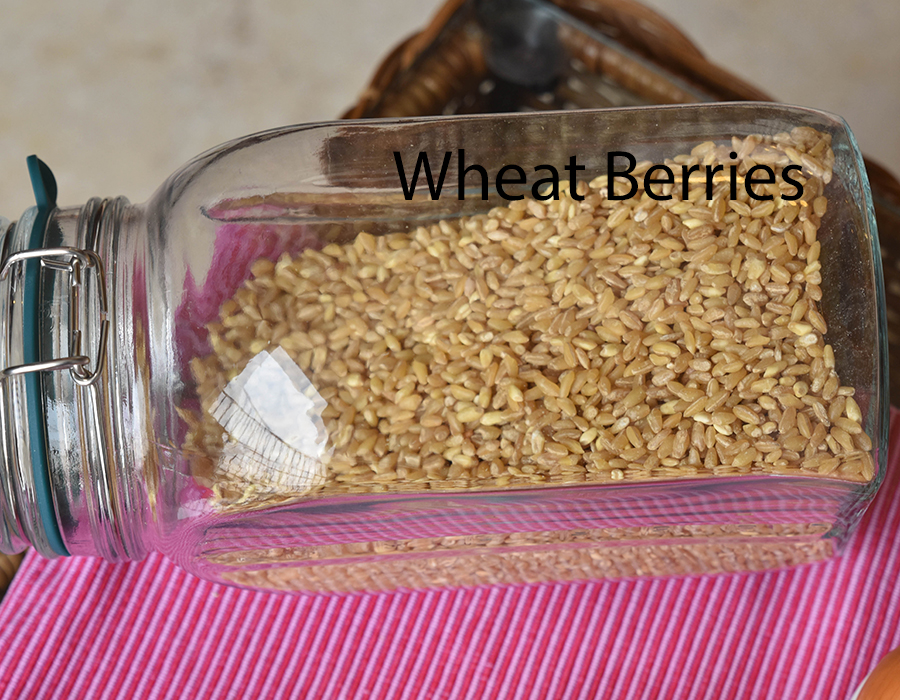
Before we get into the recipe, let’s talk about the star ingredient: wheat berries.
A wheat berry is the whole grain of wheat before it has been processed into bran, germ, or flour. It looks somewhat like a small grain of rice, but it has a pleasantly chewy texture.
For hareesa, we use dehulled wheat. This means the tough outer hull has been removed, allowing the wheat to cook much more quickly.
The wheat is what gives hareesa its distinctive texture and body. When cooked slowly, it releases its starches and transforms into the creamy, comforting porridge we know and love.
My Tips for Perfect Hareesa
There are a few details that make a big difference when preparing hareesa.
First, soak the wheat berries overnight. This helps them cook more evenly and gives you the best texture.
You’ll also notice that I process half of the cooked wheat berries while leaving the other half whole. You can skip this step, but if you want truly phenomenal hareesa, I strongly recommend following my method.
This is one of those little secrets I learned from my grandmother.
Blending half of the wheat berries creates a wonderfully silky base while leaving the remaining wheat whole gives the hareesa that satisfying texture and chew. Together, they create what I think is the perfect consistency.
As for the fat, you can use either ghee or butter. I personally gravitate toward ghee because of the richness and depth of flavor it adds, but butter will still work beautifully.
And finally, remember: do not rush the cooking process.
Hareesa is at its best when it has had plenty of time to slowly develop its texture and flavor.
Ingredients for Hareesa
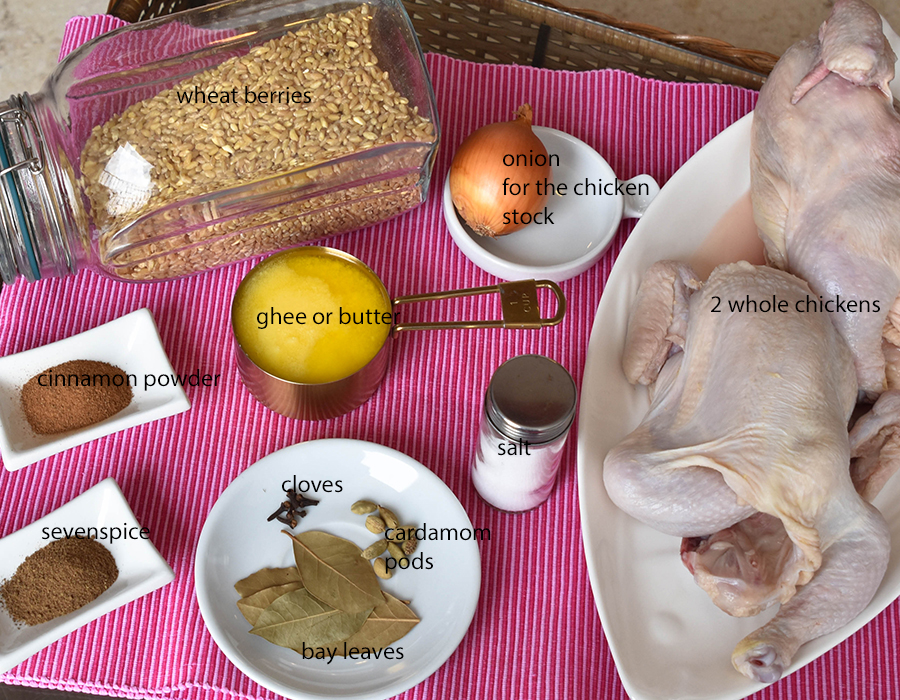
Chicken
Use 2 whole chickens.
Wheat Berries
Use dehulled wheat berries. Because the tough outer hull has been removed, they cook considerably faster.
Ghee or Butter
Adds richness and a beautiful depth of flavor. I prefer ghee, but butter works wonderfully as well.
Water
Used to cook the wheat and chicken and create the broth.
Onion
Helps neutralize the odor of the chicken while adding subtle flavor.
Bay Leaves
Add fragrance and depth to the broth.
Cardamom Pods
Bring a delicate, aromatic warmth to the chicken broth.
Cloves
Add another layer of warm, fragrant spice.
Cinnamon Powder and Seven Spice
Used to garnish the finished hareesa and add the final touch of flavor.
How to Make Hareesa
1. Soak the Wheat Berries
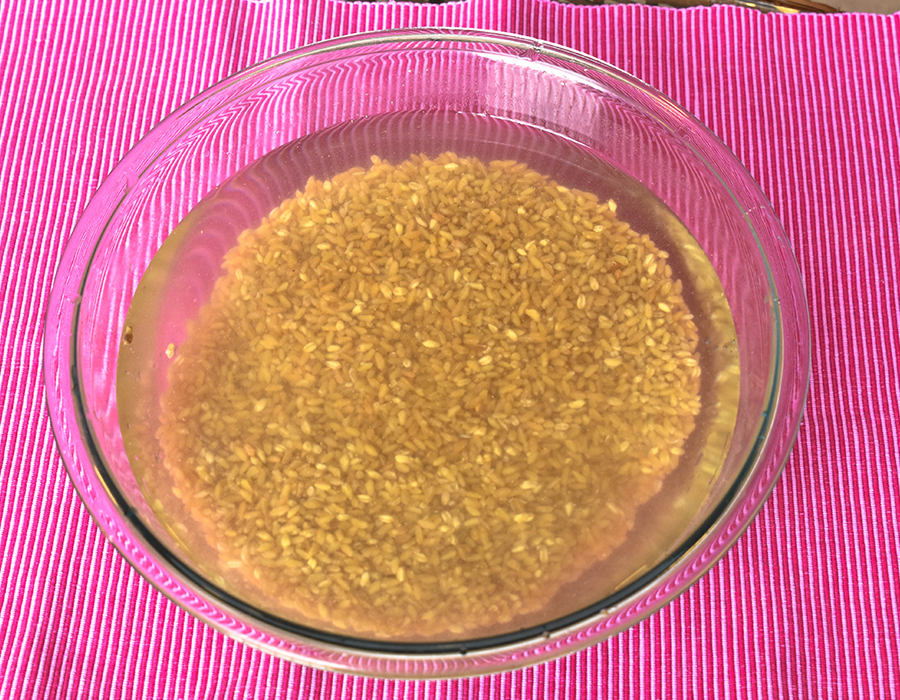
Place the wheat berries in a large bowl and cover them completely with water.
Allow them to soak at room temperature for at least 10 hours and no more than 15 hours.
This overnight soak is an important step, so don’t skip it.
2. Cook the Wheat Berries
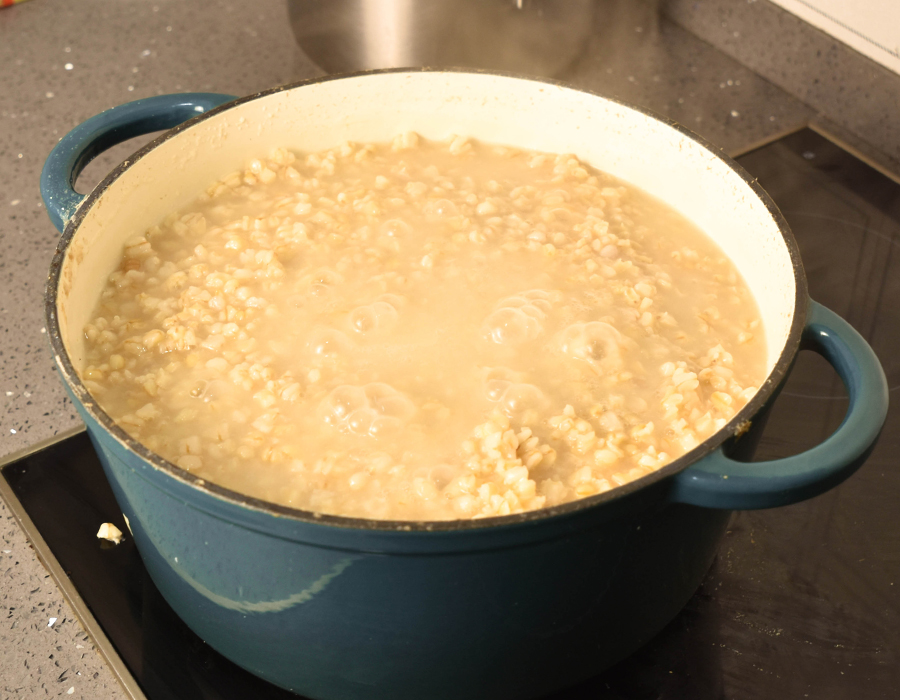
Transfer the soaked wheat berries to a large pot and add 4 liters (about 4 quarts) of water.
Bring the water to a boil over high heat. Once boiling, reduce the heat to low, cover the pot, and allow the wheat to simmer for 2 hours.
The wheat should become tender and soft.
3. Cook the Chicken
While the wheat is cooking, prepare the chicken.
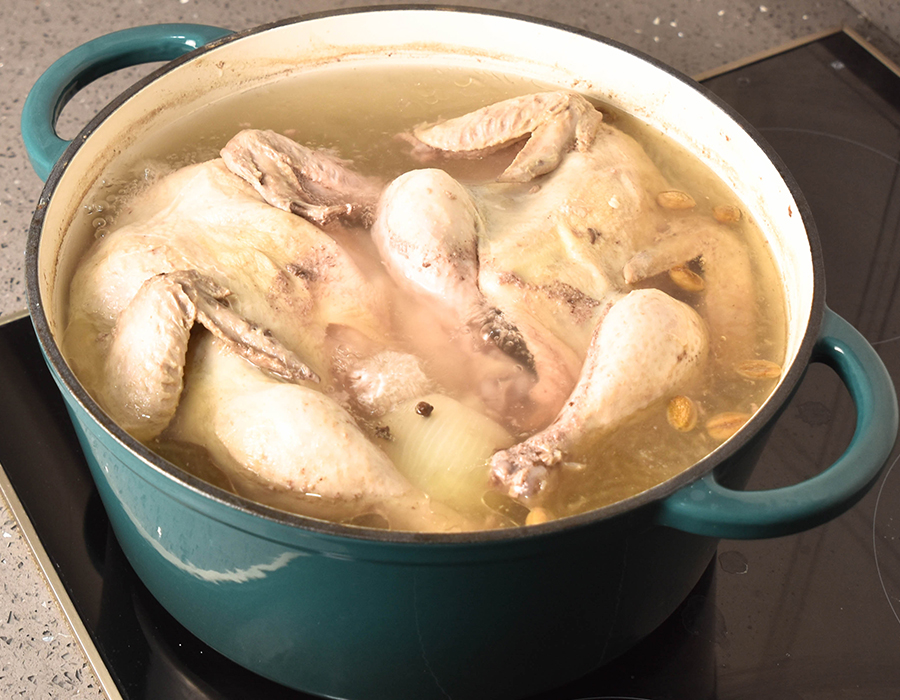
Clean the chickens and place them in a large pot. Add 14 cups of water and bring to a boil over high heat.
As the chicken cooks, skim off any scum that rises to the surface.
Add the onion, cloves, bay leaves, and cardamom pods.
Reduce the heat to low, cover the pot, and cook for 2 to 3 hours.
And here is another place where patience pays off: the longer the chicken cooks, the more tender it becomes and the more flavorful your broth will be.
Once the chicken is finished, strain the broth and set the chicken aside to cool.
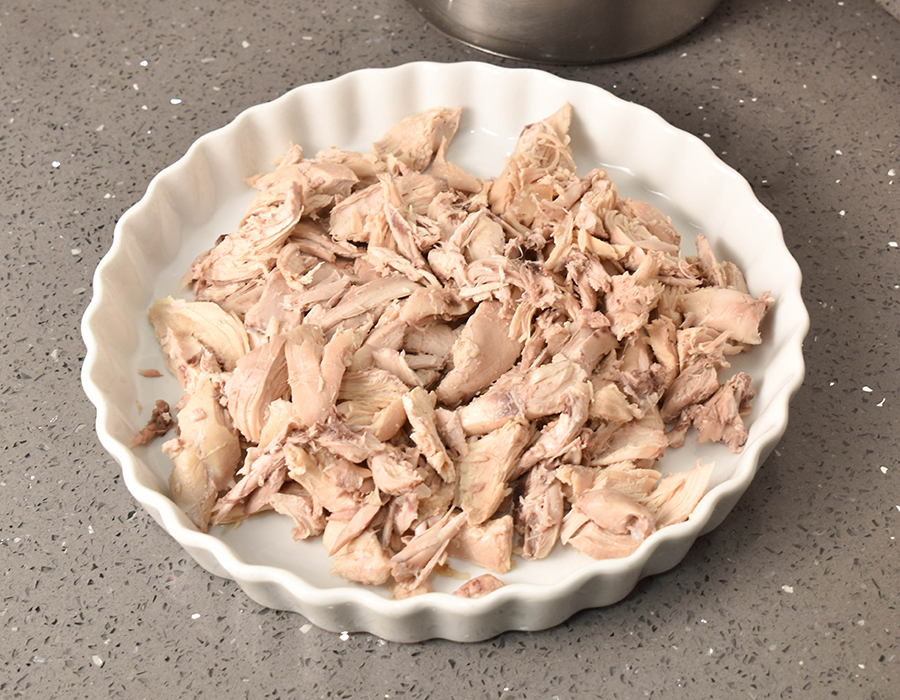
When it is cool enough to handle, remove the skin and bones and shred the meat into bite-sized pieces.
4. Blend Half of the Wheat
Once the wheat berries are completely cooked, blend half of them, preferably using a hand mill.
This is my grandmother’s little secret.
Blending half of the wheat creates a silky, creamy base while leaving the remaining half whole gives the hareesa its characteristic texture.
Do not blend all of the wheat—you want that combination of smooth and chewy.
5. Bring Everything Together
Now comes the part where the hareesa truly begins to come together.
In a large pot, combine the cooked wheat berries—the blended portion and the chunky portion—with the shredded chicken and salt.
Add 10 cups of the reserved chicken broth.
Cook over high heat, stirring constantly with a wooden spoon.
Once the mixture comes to a boil, reduce the heat to very low. Cover the pot and allow it to simmer for 3 hours.
This is where you need to stay close to the pot.
Stir the hareesa every 10 minutes to prevent it from sticking to the bottom.
Yes, it takes time.
Yes, it takes attention.
And yes, it is absolutely worth it.
6. Add the Ghee
Heat the ghee in a skillet to approximately 275°F (135°C).
Carefully add the hot ghee to the wheat mixture and stir well, making sure it is thoroughly incorporated throughout the hareesa.
Continue cooking for another 10 minutes.
By now, the hareesa should be beautifully creamy, rich, and deeply comforting.
7. Garnish and Serve
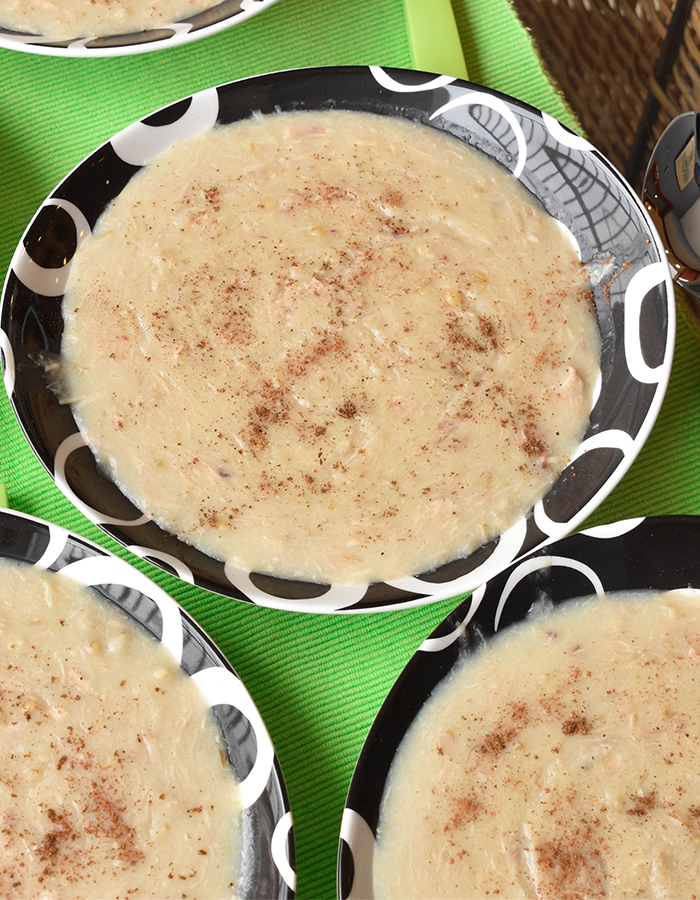
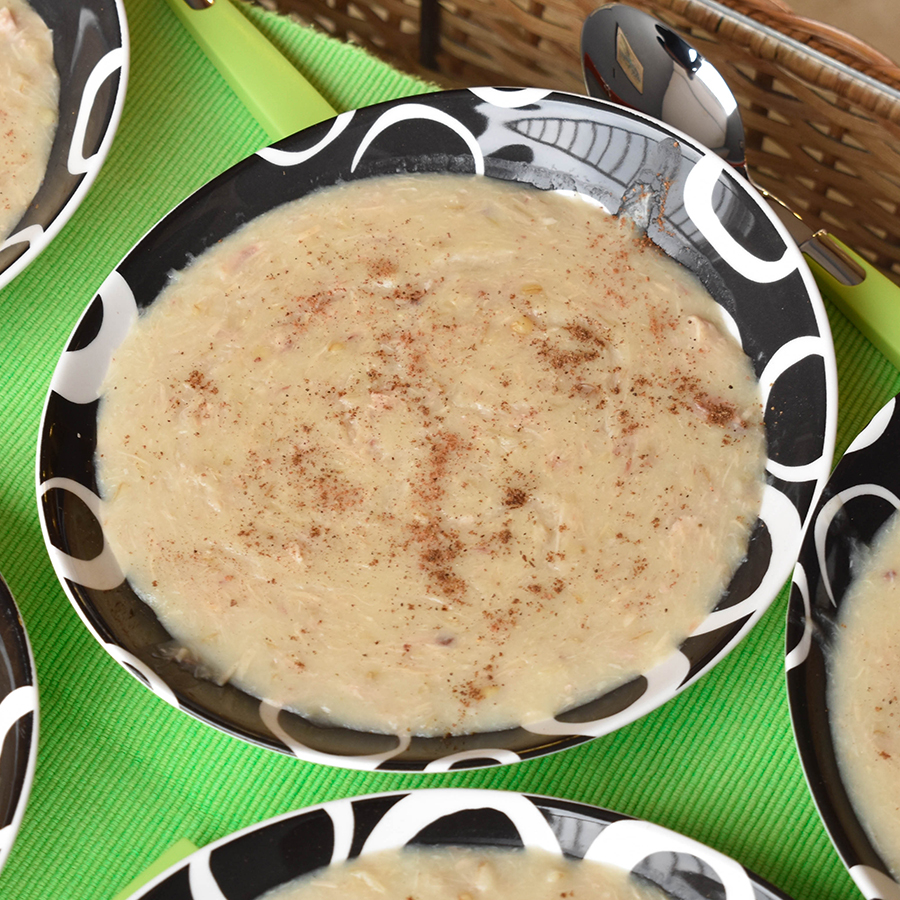
Ladle the hareesa into individual soup plates while it is still warm.
Sprinkle each serving with a little cinnamon powder and seven-spice—or use just one of the two, depending on your preference.
Serve immediately.
The first spoonful should be creamy and rich, with just enough texture from the whole wheat berries to remind you that this beautiful dish began with a simple grain.
And that, to me, is the magic of hareesa.
It takes time. It takes patience. It takes a little work.
But somewhere between the stirring, the simmering, and the aromas filling your kitchen, you realize that you are making much more than a meal.
You are making tradition.
And I hope you love this hareesa as much as my family and I have for generation.
Hareesa, Wheat and Chicken Porridge
Description
Ingredients
- 1 kg wheat berries the wheat used to make harissa, with the tough outer hulls removed
- 2 whole chickens 1.5 kg (3 lb 5 oz) each
- 1 cup ghee
- Salt to taste
For the Chicken Broth
- 1 onion
- 3 bay leaves
- 4 cardamom pods
- 4 whole cloves
Instructions
- In a large bowl, cover the wheat berries with water and soak them at room temperature for at least 10 hours and up to 15 hours.
- Drain the wheat berries.
- Meanwhile, cook the wheat berries: Place the wheat berries in a large pot over high heat and add 4 liters (about 4 quarts) of water. Once the water reaches a boil, reduce the heat to low, cover the pot, and let it simmer for 2 hours.
- Clean the chicken and transfer it to a large pot. Add 14 cups of water and cook over high heat. Skim off the scum that rises to the surface. Add the onion, cloves, bay leaves, and cardamom pods. Reduce the heat to low, cover, and cook for 2 to 3 hours. The longer it cooks, the better.
- Strain the broth.
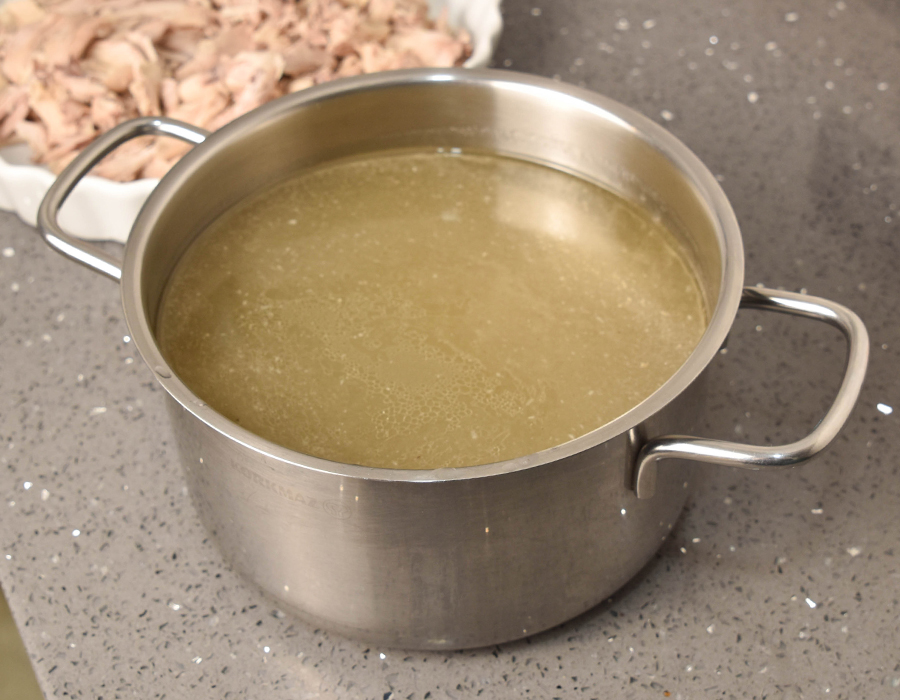
- Place the chicken on a dish to cool. Debone it, remove the skin, and shred the chicken.
- When the wheat berries are fully cooked, process half of the quantity, preferably using a hand mill, while keeping the other half chunky.Secure the food mill over a large bowl or pot, and process the wheat berries in batches. Turn the crank, and the blade will purée the wheat berries through the holes in the disc. Keep turning until you have processed half of the wheat berries—do not process all of them. Make sure to scrape off any remaining wheat from the bottom of the mill.This is a secret tip that takes your hareesa from good to excellent: the result is silkier and creamier.
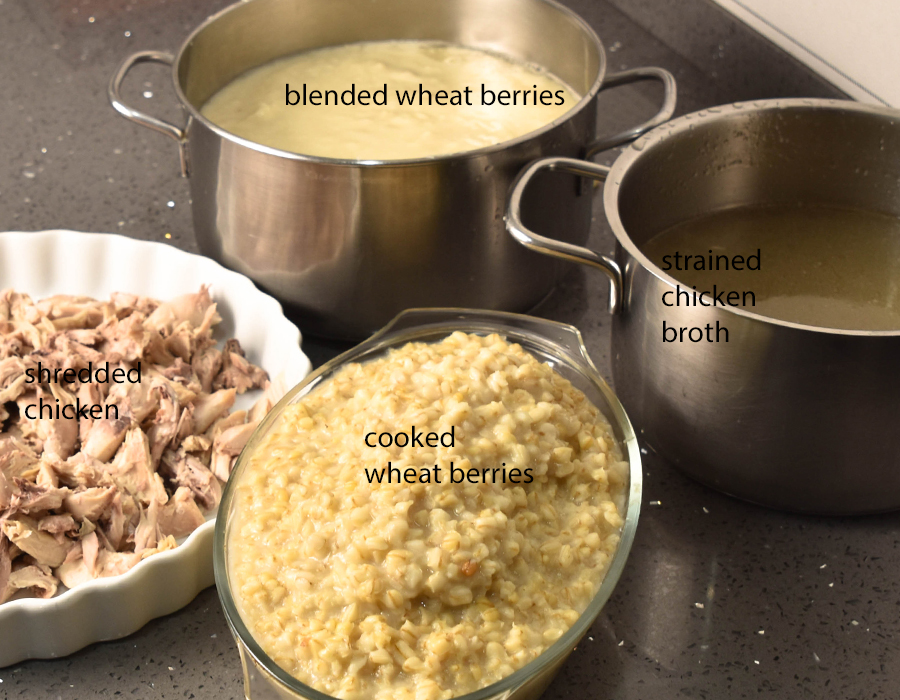
- To a large pot, add the cooked wheat berries (both the processed and chunky varieties), the shredded chicken, and salt. Add 10 cups of chicken broth to the pot and cook over high heat, stirring constantly with a wooden spoon.
- When the mixture reaches a boil, reduce the heat to very low, cover the pot, and let it simmer for 2 hours, stirring every 10 minutes to prevent sticking.
- Heat the ghee in a skillet, then add it to the wheat berry pot. Stir well to infuse the berries with the ghee. Cook for an additional 10 minutes, then serve in individual soup plates.
- Sprinkle a little cinnamon powder and seven-spice—or one of the spices—on top of each plate. Serve warm. So delectable!
Video
Notes
- Hareesa should have the consistency of porridge. Note that it will thicken slightly as it cools.
- The wheat used to make hareesa is dehulled (the tough outer hulls are removed).
- Hareesa can be stored in the refrigerator for up to 4 days.