


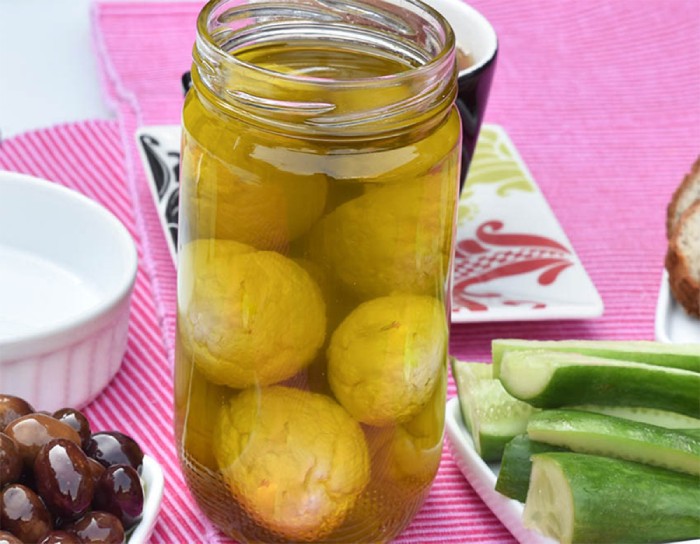
Labneh balls (also known as yogurt balls or labneh korat) are a traditional Middle Eastern dairy delicacy preserved in olive oil for an extended shelf life. Perfect for breakfast or as an appetizer, these homemade yogurt cheese balls offer a rich, tangy flavor and a creamy texture similar to spreadable goat cheese. Making a DIY batch at home is incredibly easy, completely free of chemical additives, and tastes vastly superior to store-bought varieties. Pair your fresh labneh balls with warm flatbread, olives, fresh cucumber, and tomatoes for an authentic Mediterranean feast, and watch our detailed video tutorial below to get started!
Yogurt Balls / Labneh Balls: Pro-Tips for Success
-
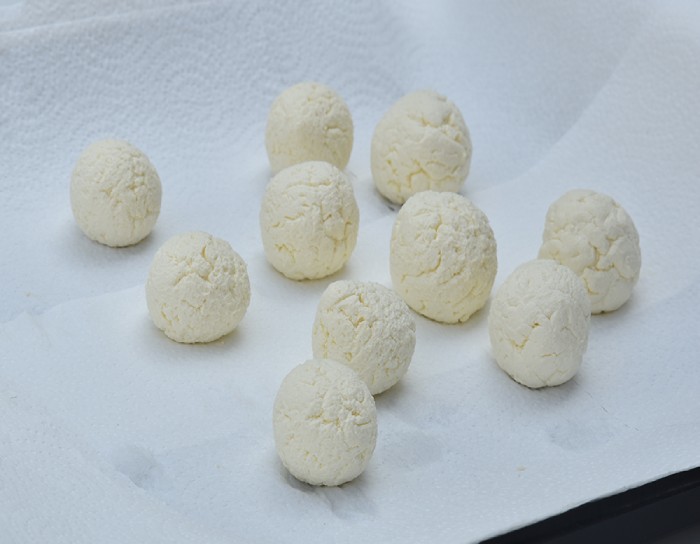
- Patience is Key: Making labneh balls takes longer than making a standard labneh spread. The yogurt needs to dry out for several days to reach a firm, rollable consistency. It is a straightforward, effortless technique—the hardest part is simply waiting!
- The Secret to a One-Year Shelf Life: Properly dried and fully submerged in extra virgin olive oil, your labneh korat can last up to a year. Ensuring the cheese is thoroughly dried before steeping it in oil is crucial to prevent spoilage and guarantee success.
- Choose the Right Yogurt: While Greek yogurt works, using whole-milk plain yogurt yields a much creamier texture and a delightfully tangy undertone. Want to go completely DIY? You can easily make your own yogurt from scratch using [our homemade recipe here].
- Alternative Straining Tools: If you do not have cheesecloth or a muslin cloth handy, don’t worry. A coffee filter or a few layers of heavy-duty kitchen paper towels will do the job just fine.
- Protect from Sunlight: While these yogurt balls have an excellent shelf life, store your jar in a cool, dark place. Direct sunlight oxidizes olive oil quickly, ruining its flavor and encouraging spoilage.
Watch the detailed video tutorial below to see the exact process in action!
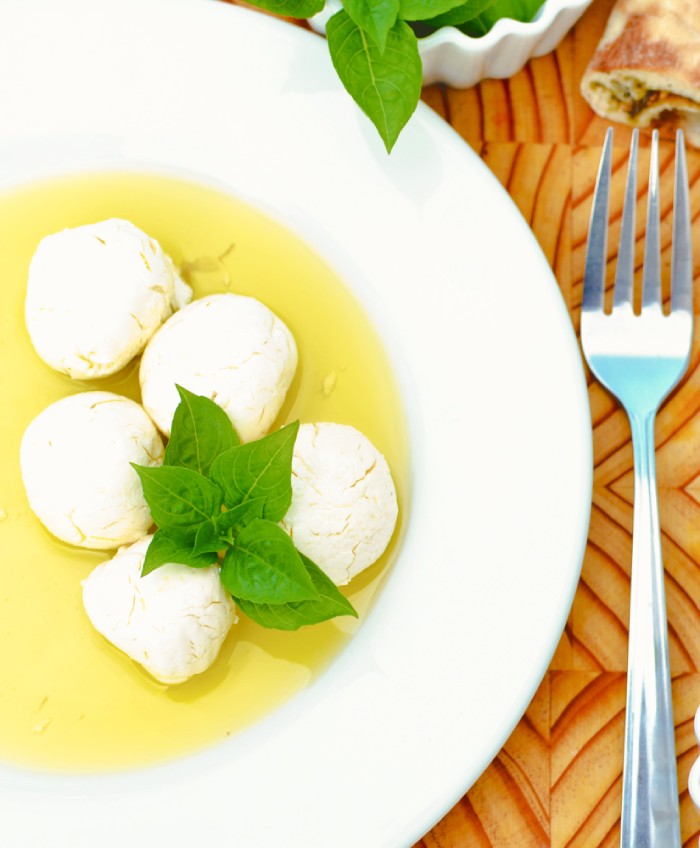
Creative Ways to Serve Labneh Balls
- The Ultimate Breakfast: Serve them alongside hot tea, crisp cucumber sticks, tomato wedges, and brined olives for a perfect, traditional morning spread.
- A Creamy Salad Booster: Toss the balls whole or crumbled into fresh Mediterranean salads to add a rich, creamy element.
- The Mezze Centerpiece: Arrange them beautifully on a platter as part of a classic Middle Eastern mezze board alongside hummus and warm pita bread.
- A Colorful Appetizer: Drain the balls slightly from the oil, roll them in vibrant coatings like paprika, za’atar, nigella seeds, or fresh herbs, and serve them alongside crackers.
- An Egg Topping: Smash a couple of labneh balls and sprinkle them directly over fried or boiled eggs for a rich, tangy breakfast twist.
- A Perfect Pairing: Serve them alongside olive makdous (oil-preserved stuffed eggplants) for an authentic, time-honored flavor combination.
Frequently Asked Questions
Q: Can I store the labneh ball jar in the refrigerator?
A: Yes, you can, but it isn’t strictly necessary. Extra virgin olive oil is an excellent natural preservative—a preservation method our ancestors practiced successfully for thousands of years.
If you do choose to store the jar in the refrigerator to maximize its shelf life, keep in mind that high-quality olive oil naturally thickens and solidifies when cold. Simply remove the jar from the fridge 15 to 20 minutes before serving to allow the oil to return to its liquid state.
Why is there white sediment at the bottom of my jar? Is it safe?
A: Yes, it is completely safe! What you are seeing is not mold; it is simply tiny particles of milk solids or residual moisture that settled out of the cheese, or the natural crystallization of olive oil in cooler temperatures. As long as the labneh smells fresh and tangy, it is perfectly fine to eat.
Q: Can I use low-fat or skim yogurt to make labneh balls?
A: It is not recommended. Low-fat or skim yogurts contain too much water and lack the fat structure needed to hold a firm shape. Without the fat, the balls will turn out chalky, crumbly, or collapse into a spread inside the oil jar. Stick to full-fat, whole-milk yogurt for the best results.
Q: What should I do if mold grows on top of the oil?
A: If actual mold appears, you should discard the batch. Mold only grows if the labneh balls were not dried enough before being placed in the jar, or if they were peeking above the oil line. To prevent this, always ensure the cheese is thoroughly dried on paper towels and completely submerged in olive oil.
Q: Can I use fresh herbs (like fresh mint or dill) to coat the balls?
A: It is best to use dried herbs if you plan on storing the jar for weeks or months. Fresh herbs contain moisture, which can introduce bacteria into the oil and cause it to spoil. If you want to use fresh herbs, coat only the balls you plan to eat right away.
 Let’s Stay in Touch!
Never miss a recipe! Subscribe via email to get comforting Middle Eastern recipes delivered straight to your inbox.
You can also follow along and share your creations with me on social media:
Facebook, Instagram, YouTube , Pinterest and TikTok!
Facebook, Instagram, YouTube , Pinterest and TikTok!
If you love authentic Middle Eastern dairy recipes, you might also enjoy these classics:
- Learn the foundation of this recipe with our guide on how to make Laban (Lebanese Homemade Yogurt) from scratch.
- If you want a quick breakfast alternative, check out our smooth, spreadable Lebanese Labneh Dip.
- Expand your cheese-making skills by trying our authentic, firm Jibneh Baladi (Lebanese Local Cheese).
- Looking for a savory dinner idea to use your dairy skills? Try our rich and comforting Lebanese Shrimp Fatteh.
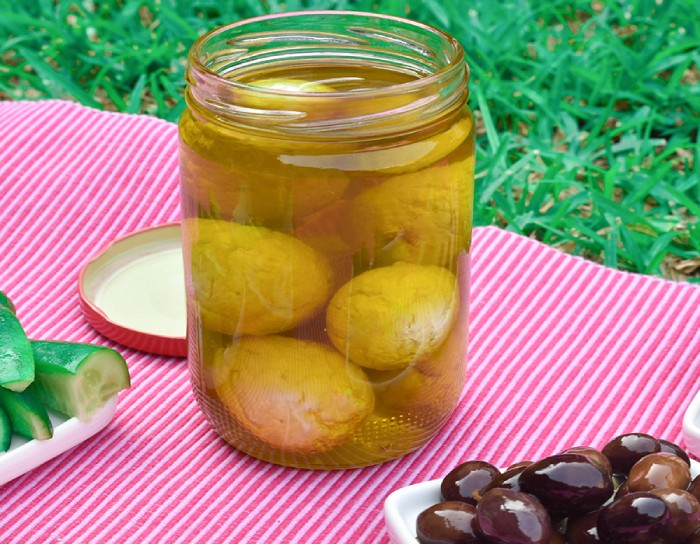
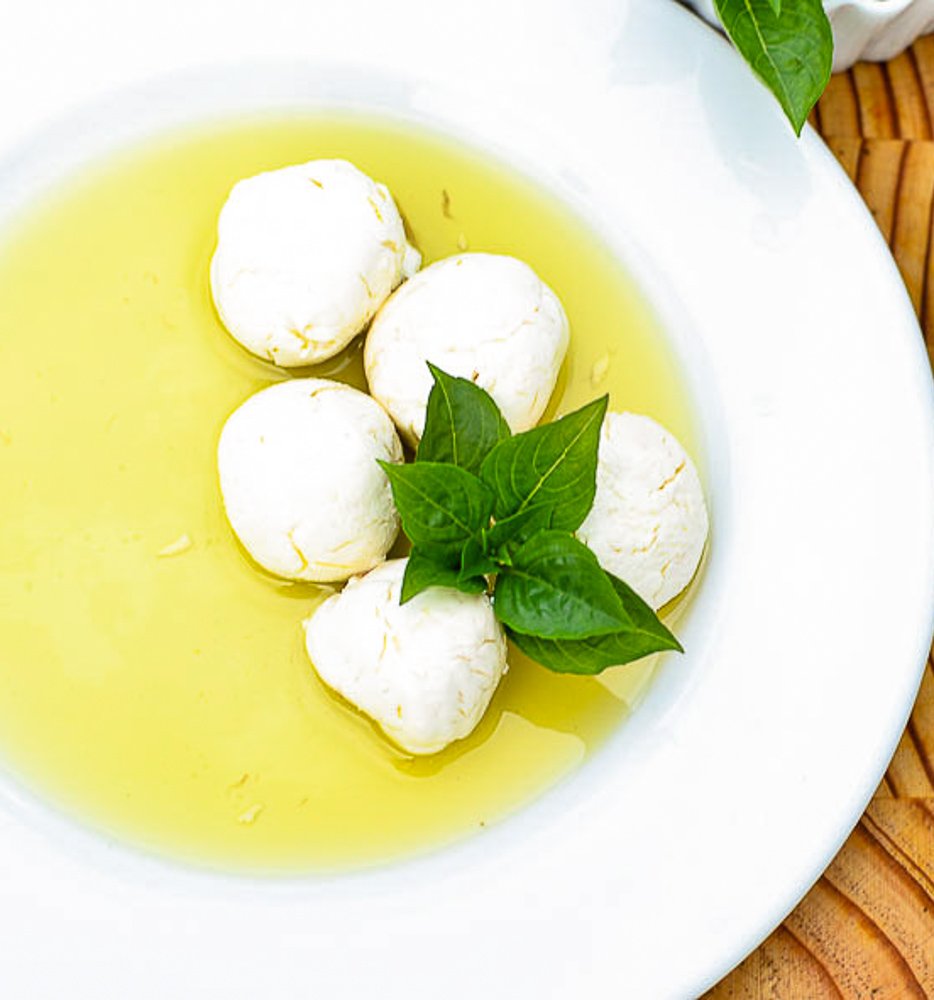
Yogurt Balls (Labne Balls)
Description
Labneh balls, yogurt balls, or labneh korat—and maybe more names to be added to the list—are a Middle Eastern dairy classic preserved in olive oil for a longer shelf life than the labneh spread
Ingredients
- 2 kg plain whole milk yogurt or store-bought
- 1 tablespoon salt
- 2 cups extra-virgin olive oil or enough to cover the labneh
- A sheet of cloth or a muslin bag similar to a pillowcase
Instructions
- Mix the yogurt with the salt. Transfer the yogurt to a cheesecloth or a muslin bag (similar to a pillowcase). Bring up the sides, completely overlapping and covering the yogurt, then tie it into a knot.
- Place it in a large strainer over a deep bowl and transfer it to the refrigerator. The excess liquid will start dripping into the bowl beneath the strainer. Our grandmas used to hang it by tying it to the tap over the kitchen sink, letting the whey slowly drip, but doing this in the fridge is safer. Keep it in the refrigerator for 24 to 48 hours. Make sure the yogurt is sitting above the drained liquid. The longer it sits, the thicker the labneh will become. You will notice that the yogurt has shrunk to about half its original size. Transfer the labneh to a bowl and discard the whey.
- Take a spoonful of the labneh and place the scoops on a tray lined with paper towels, leaving some space between each one, then top them with another paper towel.
- Leave them to dry out for 1 day, changing the paper towels whenever they get saturated with whey.
- Shape the balls using the palms of your hands to make them perfectly round. Transfer the balls to a tray covered with paper towels—this time uncovered—and refrigerate to help them dry out completely for 12 hours, or until the paper towels underneath the labneh balls are dry and no longer saturated. This is a sign that your labneh balls are ready to be preserved in oil.
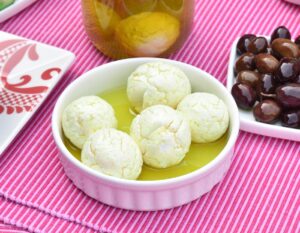
- Transfer the labneh balls to a clean glass jar, and pour in enough olive oil to fully cover them. Serve with tea, olives, cucumber sticks, tomato wedges, pita bread, toast, baguette, crackers, or whatever your heart desires. Turn those simple ingredients into a feast! Watch the detailed video tutorial above.
Video
Notes
You might also like to enjoy our Labneh Stuffed Grape Leaves Preserved in Oil
 If you make this recipe, share your pictures on Facebook! I would love to see your creations!Hashtag them #Hadia’s Lebanese Cuisine
If you make this recipe, share your pictures on Facebook! I would love to see your creations!Hashtag them #Hadia’s Lebanese Cuisine
Tried this recipe?Let us know how it was!























5 Comments
Wow !
Just like my Mum used to make – So delicious 🙂
Thanks for sharing
My pleasure Pete!
Excellent recipe
I have yogurt draining as I type this and I am so excited to try this. But can you really keep this at room temperature six months?!