


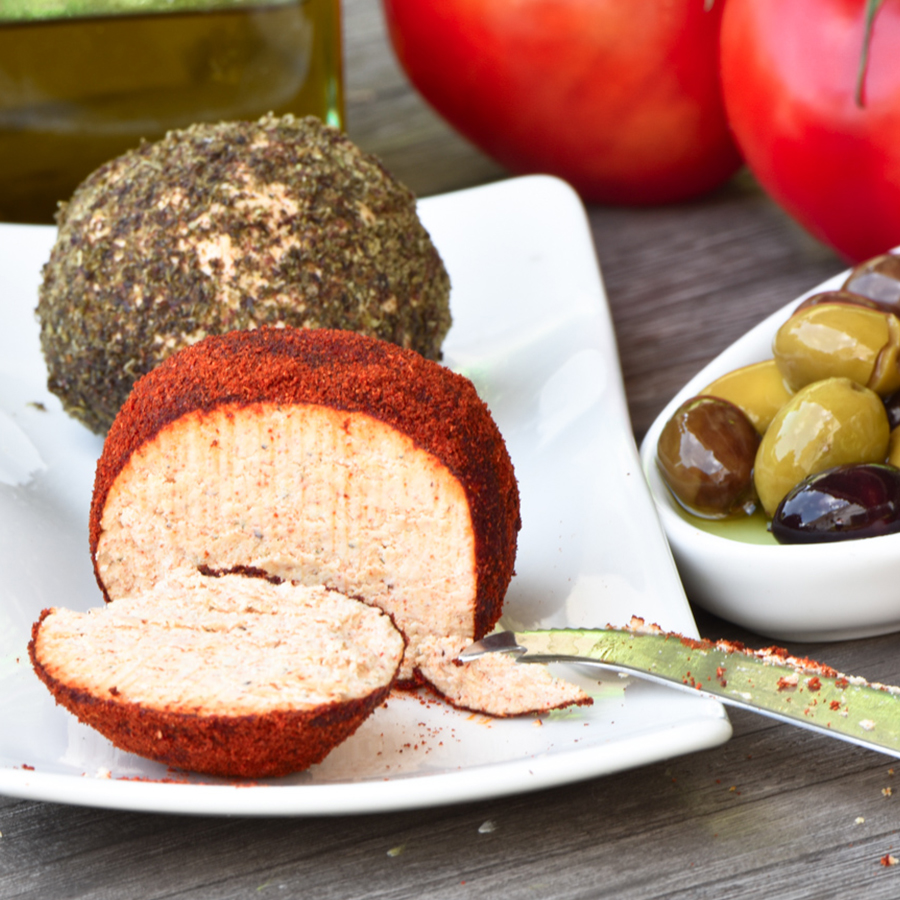
Shanklish, also spelled shankleesh, holds a special place in my heart. This distinctive Middle Eastern aged cheese is often compared to blue cheese because of its bold, tangy flavor and characteristic aging process. Popular in Lebanon, Syria, and Turkey, shanklish can be found in grocery stores throughout the region. If you live abroad, you may have spotted these vacuum-packed cheese balls in Middle Eastern grocery stores, with their off-white interiors and flavorful coatings of zaatar or Aleppo pepper.
In Lebanon, shanklish is a beloved staple of the mezze table, traditionally crumbled and tossed with diced tomatoes, onions, freshly chopped parsley, and a generous drizzle of olive oil. Bursting with bold, tangy flavors, this traditional Lebanese cheese is easy to love. Once you learn how to make homemade shanklish, you may find yourself craving it again and again!
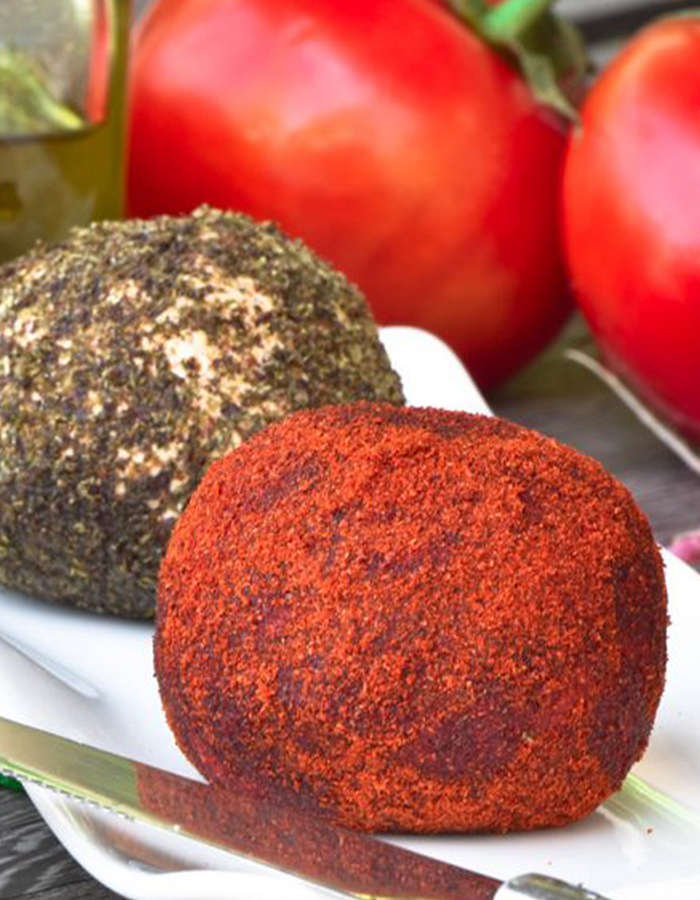
Shanklish: Preserving a Taste of Middle Eastern Heritage
In the Middle East, aging shanklish was originally a way to preserve cheese and extend its shelf life. Yet, despite modern advancements in cheese-making and the year-round availability of a wide variety of cheeses, this tradition has endured. Families in certain regions, such as Akkar in northern Lebanon, the dairies of the Beqaa Valley, and the Syrian coastal plain around Tartus, continue to make shanklish using traditional methods.
I am intrigued by the origins of this aging technique and how people in the past developed the knowledge and skills to preserve cheese this way. The history of food has always fascinated me.
According to Fouad Kassab, the face behind the food blog, shanklish is thought to have originated in Kurdistan. Kassab explains: “Shankleesh is a compound word derived from the Kurdish ‘shan’, denoting a small terracotta pot; and ‘qareesh’, a Bedouin term for fermented milk.”
Interesting!
Regardless of its origins, I believe it is crucial to pass down this treasured cheese-making technique to future generations. In a world where people are increasingly accustomed to eating on the run, it is good to slow down, reconnect with our culinary heritage, and reflect on how best to preserve these traditional recipes for generations to come.
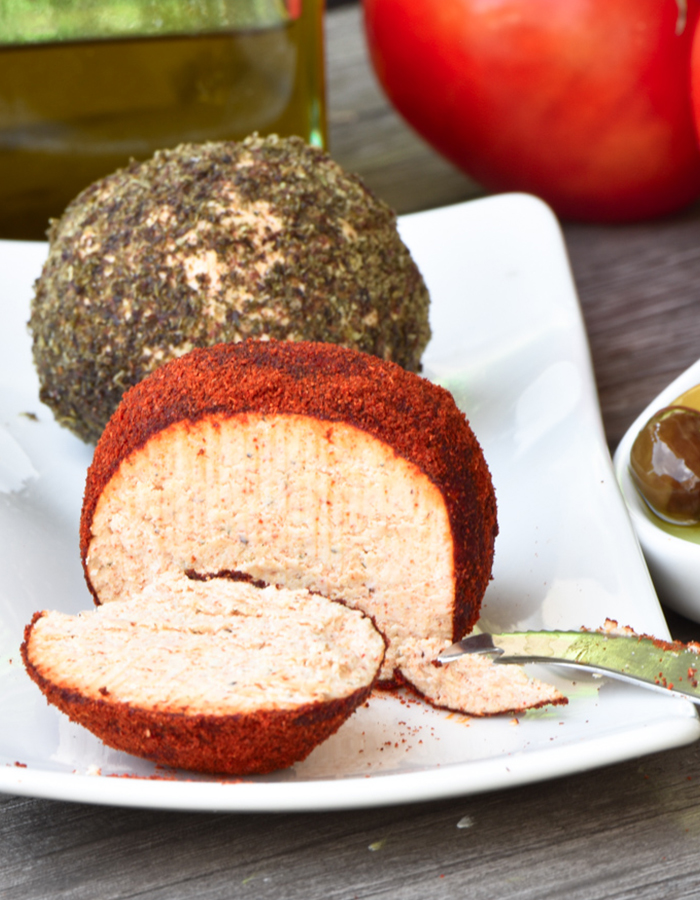
How to Make Shanklish: A Traditional Middle Eastern Aged Cheese
Making shanklish is a labor-intensive, hands-on process. Transforming yogurt into shanklish involves four main stages: coagulation, dewatering, shaping, and aging.
First, the yogurt is acidified to encourage coagulation and separate the curds from the whey. The curds are then strained until dry before salt and seasonings are added.
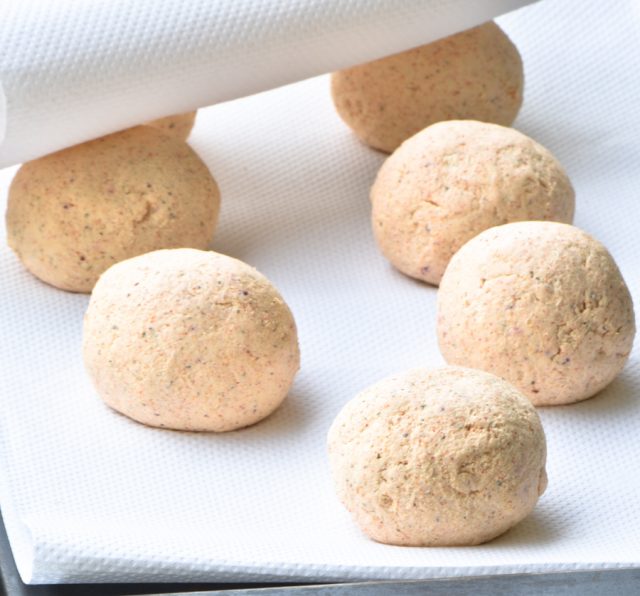
Next, the mixture is shaped into tennis-ball-sized rounds and left to dry in the sun for a few days.
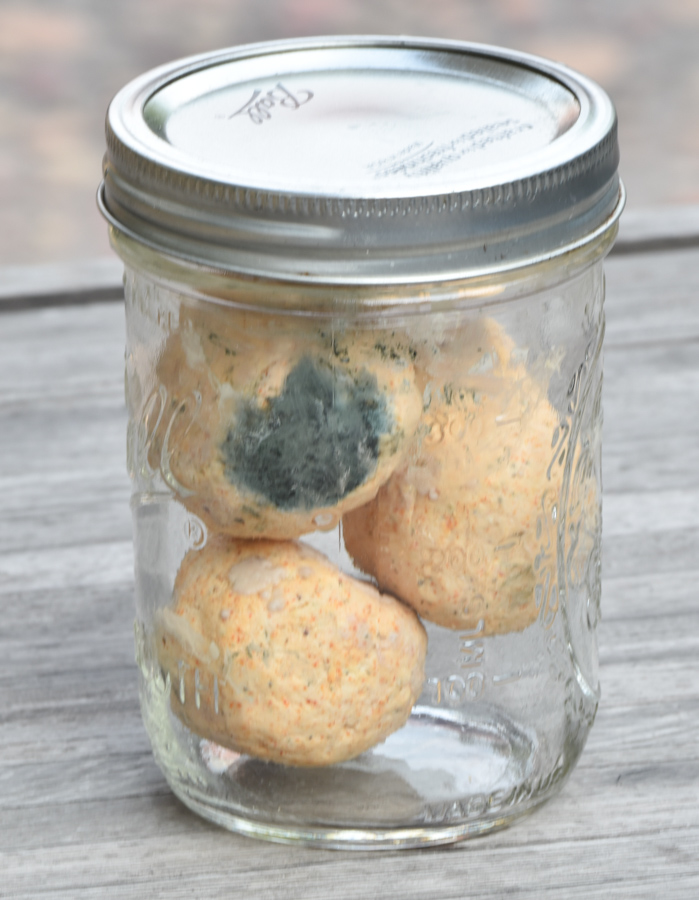
The final stage is aging. The shanklish balls are placed in tightly sealed glass jars and stored away from sunlight, preferably in a dark place. They are left to mature until mold develops on the surface, a process that usually takes a month or longer, depending on the temperature and humidity.
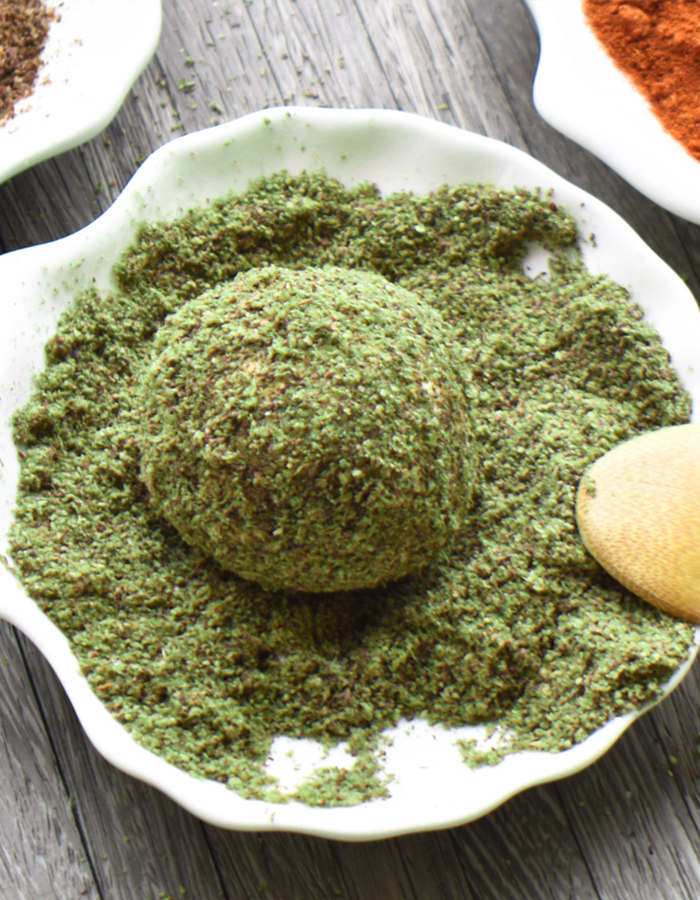
As shanklish ages, its flavor intensifies. The longer it matures, the sharper and more distinctive its flavor and character become. Once the aging process is complete, the surface mold is carefully scraped away, and the balls are rolled in za’atar, paprika, Aleppo pepper, or chili flakes.
In short, shanklish develops its distinctive taste through fermentation, seasoning, and aging. Making it takes time and patience, but believe me, the reward is a truly unique and flavorful traditional cheese.
Short-Aged vs. Fully Mature Shanklish: Differences in Flavor and Texture
The main difference between short-aged and fully mature shanklish lies in their flavor and texture. Short-aged shanklish has a milder taste and a softer, creamier texture, while fully mature shanklish develops a sharper, more pungent flavor and a firmer consistency.
Short-aged shanklish is delicious if you prefer a mild cheese. It can be enjoyed soon after the cheese balls have dried, without undergoing the extended aging process.
Fully mature shanklish, on the other hand, develops a more intense, tangy flavor and a drier, firmer texture as it ages. This distinctive character makes it especially appealing to those who enjoy bold, traditional Middle Eastern cheeses.
Both versions are delicious in their own way. Whether you prefer the mild creaminess of short-aged shanklish or the bold flavor of fully mature shanklish depends on your personal taste.
Shanklish Flavor Variations and Traditional Coating Options
Flavor Variations
Shanklish is delicious on its own, with a distinctive, pungent flavor that needs no additional spices or herbs. However, you can season it according to your taste. Some people like to add anise seeds, fennel seeds, ground cumin, or nigella seeds. Personally, I prefer to leave them out. In short, season your shanklish to suit your taste.
Traditional Shanklish Coatings
You can coat shanklish with za’atar, sumac, chili powder, or paprika. In Lebanon, however, za’atar is the most common choice, adding a fragrant, earthy flavor that complements the cheese’s distinctive tanginess.
More Traditional Lebanese Mouneh (Preserved Foods) to Try
Discover more traditional Lebanese mouneh, a collection of homemade preserved foods that have been part of Lebanese culinary heritage for generations. From tangy labneh balls preserved in olive oil to flavorful makdous and homemade jams, these traditional recipes celebrate the art of preserving seasonal ingredients.
 Let’s Stay in Touch!
Facebook, Instagram, YouTube , Pinterest and TikTok!
Shanklish/ Shankleesh
Description
Ingredients
- 4 kg 8 lb 14 oz plain whole-milk yogurt
- 1½ tablespoons sea salt
- 8 tablespoons white vinegar
- Seasonings
- 2 level tablespoons salt or to taste
- 1 tablespoon paprika optional, but recommended
- 1 tablespoon za’atar optional
- ½ teaspoon mahlab optional
Coating
- Za’atar Aleppo pepper, or paprika, as desired
Instructions
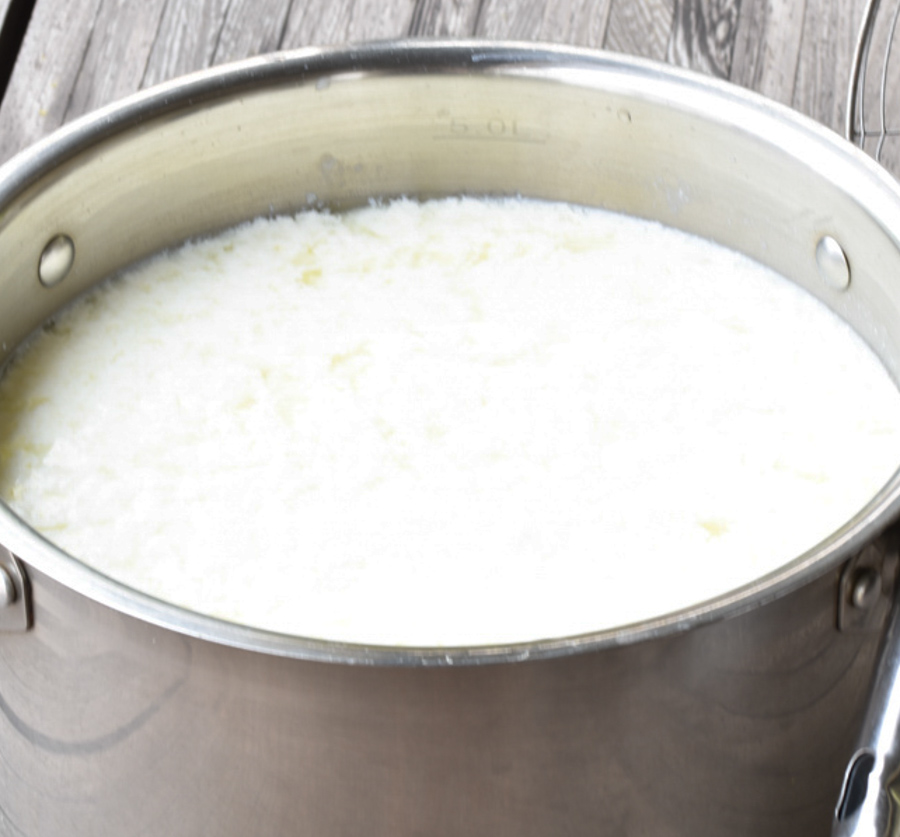
- Over medium heat, place the yogurt in a large pot and stir constantly to prevent it from scorching. Bring it to a boil, then add the white vinegar and sea salt. Turn off the heat and let the mixture cool. The yogurt will curdle considerably as the curds separate from the whey.
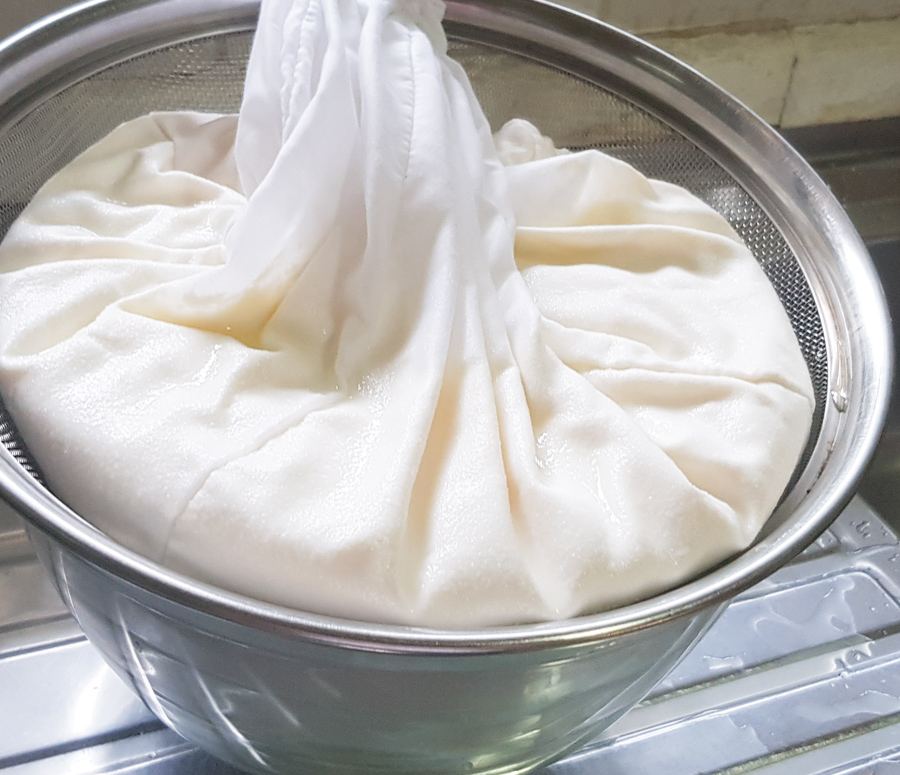
- Line a colander with cheesecloth and place it over a large bowl. Pour the mixture into the cheesecloth.
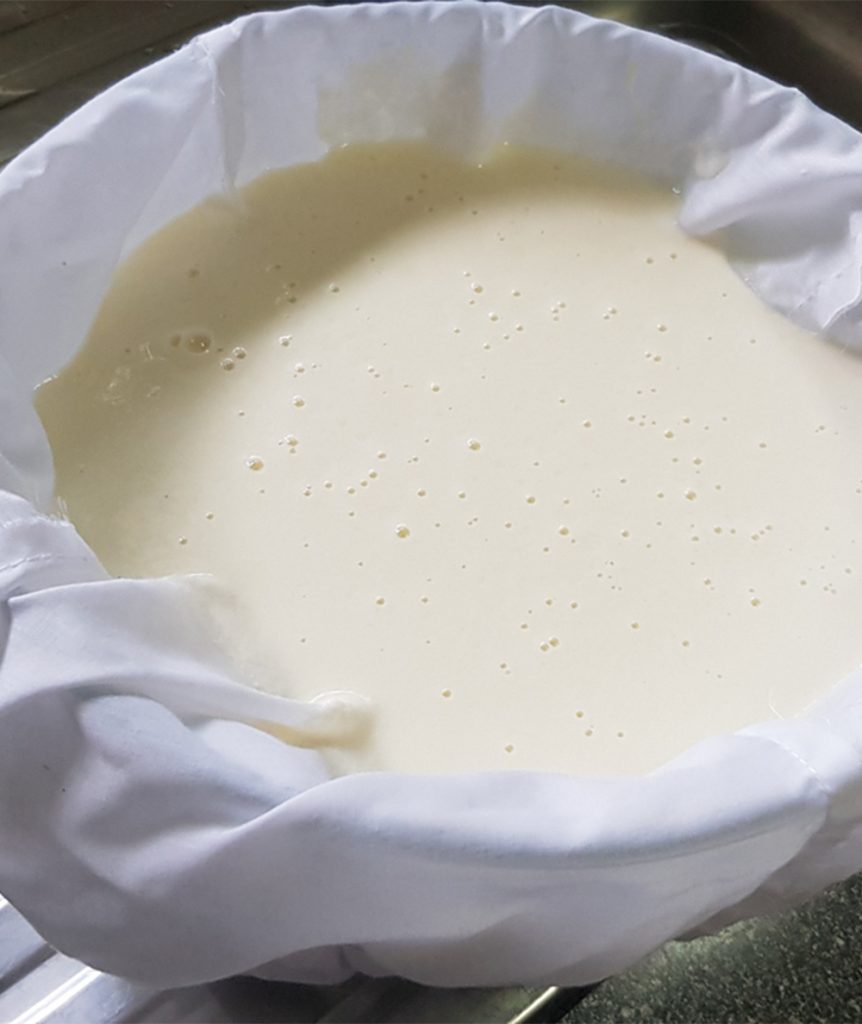
- Gather the cheesecloth around the curds and place a heavy object on top to apply pressure. Refrigerate for 24 hours, draining the collected whey from the bowl every few hours. By the end of this process, the curds should be dry and firm enough to shape into balls.
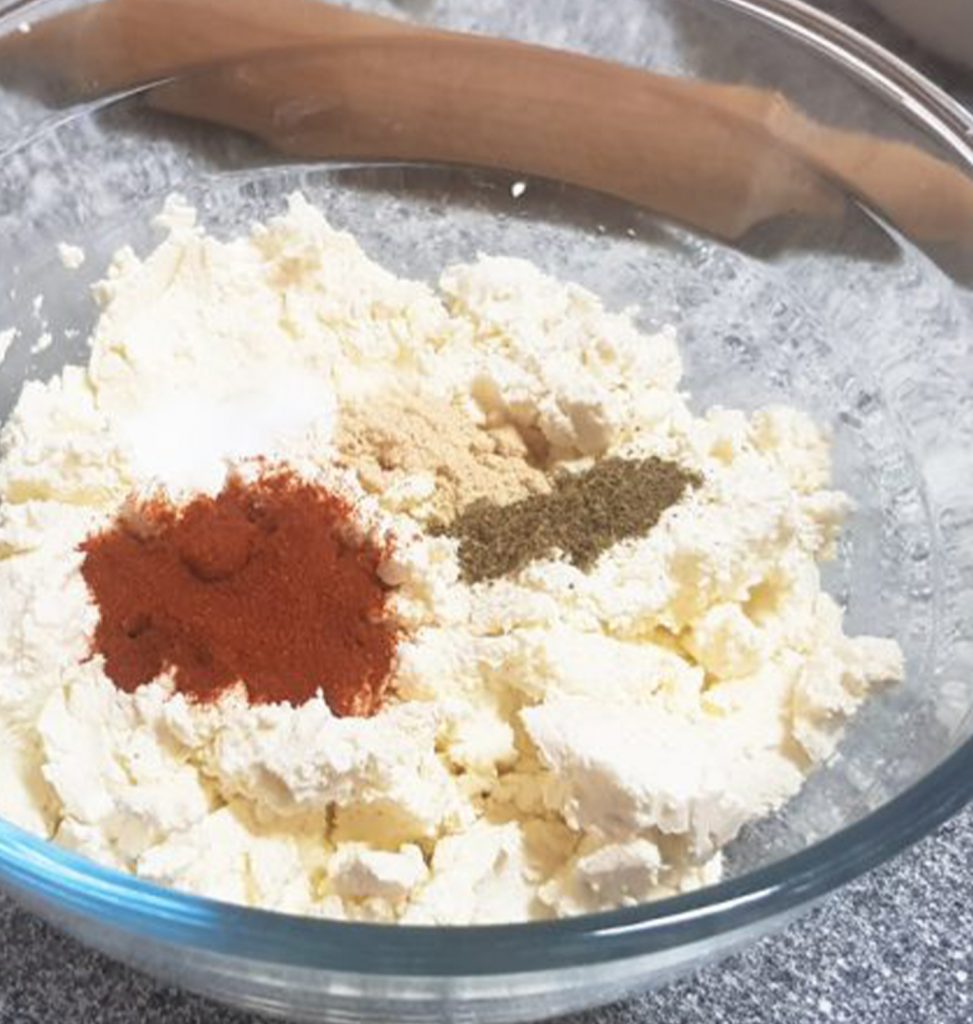
- Transfer the cheese from the cheesecloth to a bowl. At this stage, it should be firm and easy to handle. Add the paprika, salt, and mahlab, then mix well until the seasonings are evenly incorporated. Taste the mixture and adjust the salt as needed. Keep in mind that salt plays an important role in preserving the cheese.
- Line a flat tray with thick, absorbent kitchen paper towels.
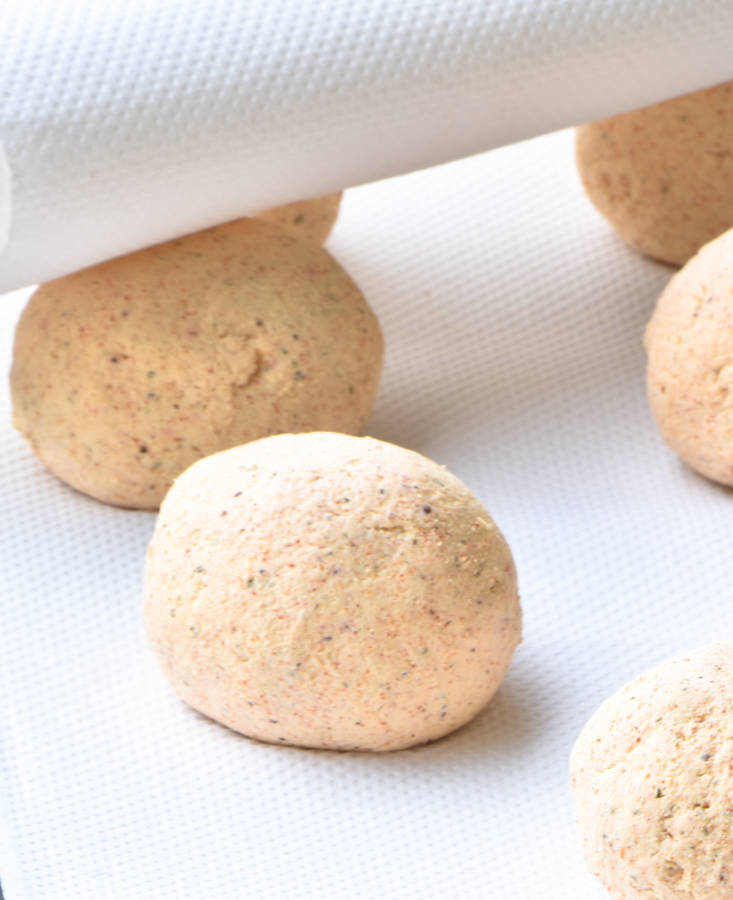
- Using clean hands, shape the strained curds into evenly sized balls, roughly the size of a tennis ball, compressing them firmly as you work. Transfer the balls to the paper towel-lined tray, leaving some space between each one. I ended up with seven balls.Cover the cheese balls with another layer of kitchen paper towels to help absorb excess moisture. Leave them to dry in the sun for 6–7 days. Alternatively, you can place them in a well-ventilated area or near an air conditioner during the day, as the airflow helps draw moisture out of the cheese. Change the paper towels whenever they become saturated, and refrigerate the cheese balls overnight. This is the method I used.Drying time may vary depending on the temperature and humidity, so allow approximately 6–7 days, or longer if needed, until the cheese balls are sufficiently dry.
- By now, the cheese balls should be completely dry. You can serve them right away by dipping each ball in olive oil and coating it with za’atar, oregano, or paprika.Alternatively, wrap each ball individually in cling film and store it in the freezer. This is the short-aged version of shanklish, with a milder flavor and a creamier texture. Fully aged shanklish, on the other hand, develops a sharper, more pungent flavor and a firmer texture.If you prefer that distinctive, sharp shanklish flavor, skip Step 6 and keep reading to learn how to age the cheese!
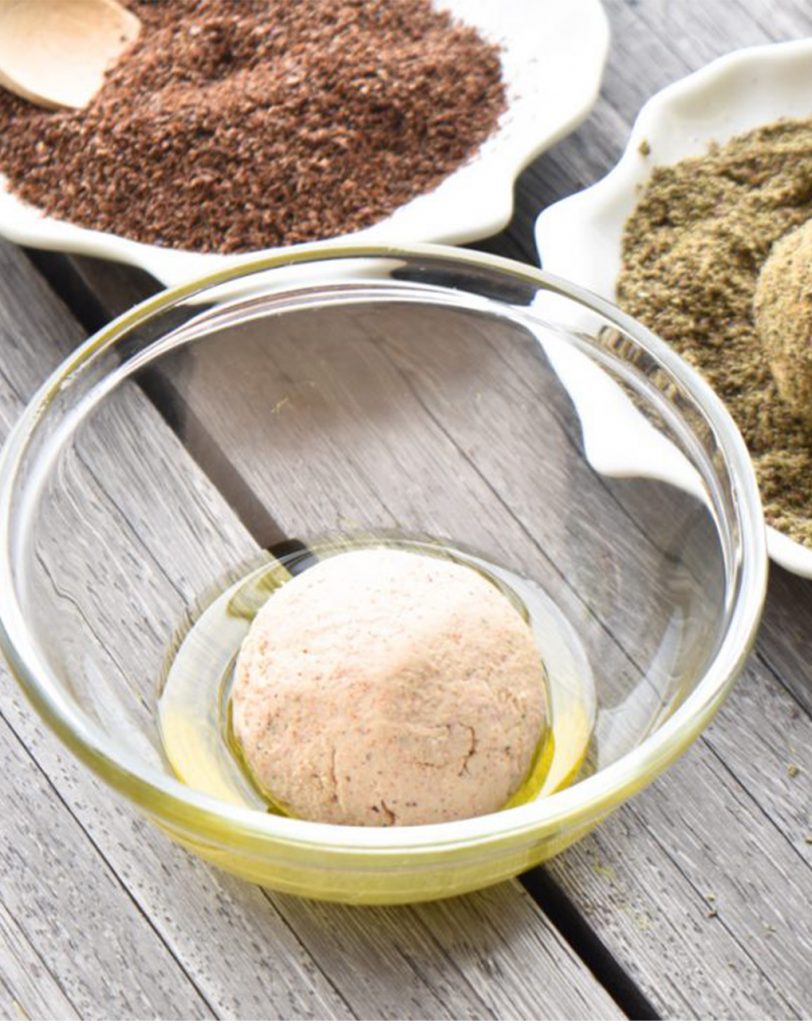
How to Fully Age Shanklish
Before aging, make sure the shanklish balls are completely dry. A good indication is that the paper towels no longer feel damp to the touch.Transfer the cheese balls to a clean, dry jar and store them away from direct sunlight, preferably in a dark place, for at least one month to allow them to mature and develop their characteristic flavor. Check on the shanklish periodically throughout the aging process.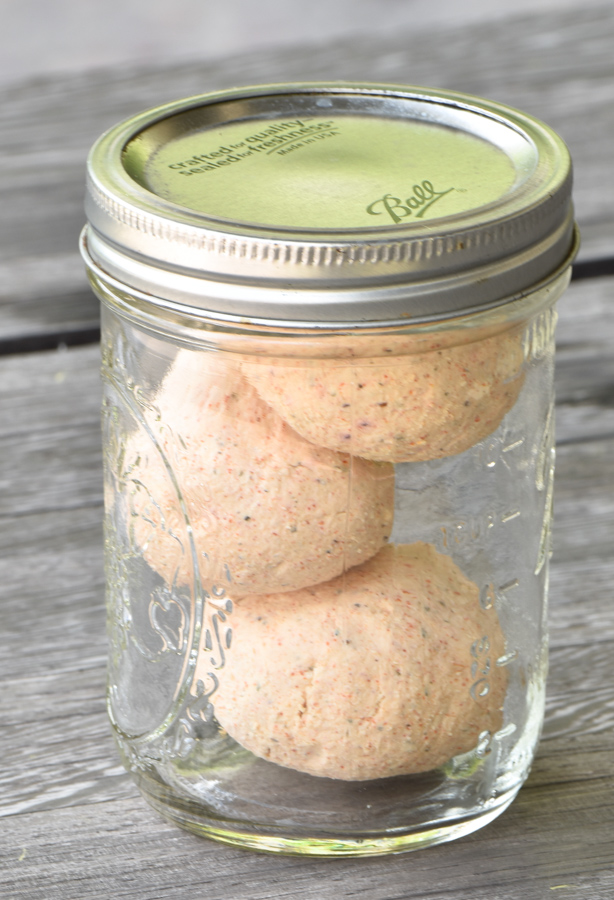
- Once mold develops on the surface, it indicates that the cheese has undergone a period of maturation. Rinse the cheese balls under running water and gently scrape away the surface mold. Pat them dry with paper towels, then coat each ball individually with za’atar, Aleppo pepper, or paprika.
- Store the shanklish in a covered container in the refrigerator, or wrap each ball individually in cling film and keep it in the freezer. It’s a lengthy process, but believe me, the delicious results are well worth the effort!
Notes
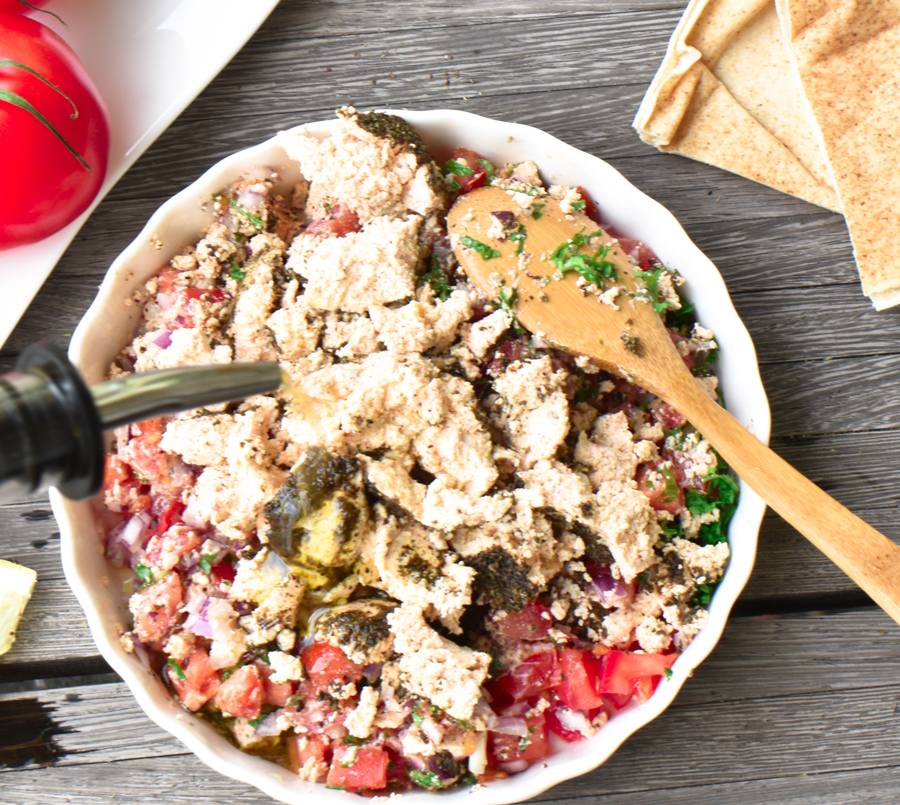
How to Serve Shanklish with Tomatoes, Onions, and Olive Oil
One of the most popular ways to enjoy shanklish is to crumble it and toss it with diced tomatoes, finely chopped onions, and fresh parsley, finished with a generous drizzle of extra virgin olive oil. Tear off a piece of pita bread or Arabic bread and scoop up the mixture. I’m telling you, it makes me ridiculously happy! It’s seriously hard to resist. Just make sure to use high-quality extra virgin olive oil, as it makes all the difference.Ingredients
- 1 ball of shanklish
- 1 small onion, finely diced
- 1 medium tomato, diced
- 1 tablespoon chopped fresh parsley
- ⅓ cup extra virgin olive oil, or more as needed
- Pita bread or Arabic bread, for serving
Instructions
- Crumble the shanklish with a fork until it breaks into small, flaky pieces.
- Add the diced onion, tomato, and chopped parsley, then mix gently to combine.
- Drizzle generously with extra virgin olive oil and serve immediately with pita bread or Arabic bread for scooping.





















13 Comments
Happy to know you liked, Klaudia. It is a great recipe, and me too, I would enjoy as well short aged shanklish. Thank you for the feedback. Xoxo
Girl, this sounds amazing! Can I make this with any regular/non-Greek plain yogurt here in the US?
Thank you!
I have searched forever to find this. My Sitto, Great Aunts and Mom made this dried version of Shanklish. They called it uhdeesh. I’m trying to make it now using your recipe. I am so happy, I have tears in my eyes. (The closest thing I’ve ever found is Feta, just not the same). Thank you for bringing back the memories and hopefully creating more.
Hello! Can I use store bought lebni to make shanklish?
Can I dry in dehydrator?
Wow, thank you so so much for posting this, and the instructions for making Shanklish. Growing up in my Syrian-American family, Shanklish was always at the family table, and we ate it with eggs, with pita, with tomatoes/onions, with everything really… I never learned to make it and my family members who did make it did not pass on the tradition before they died. This is such a gift, thank you thank you thank you. Cannot wait to try this recipe out… one question – when putting in air tight container – there’s no risk of botulism is there, like in canning? Thank you.
excellent receipies you are a great master chef. Chapeau
Thank you so much, Charles, xoxo.
I’m definitely trying this. Not sure if this is equivalent to what is called Mish in Egypt. I loved mish.