


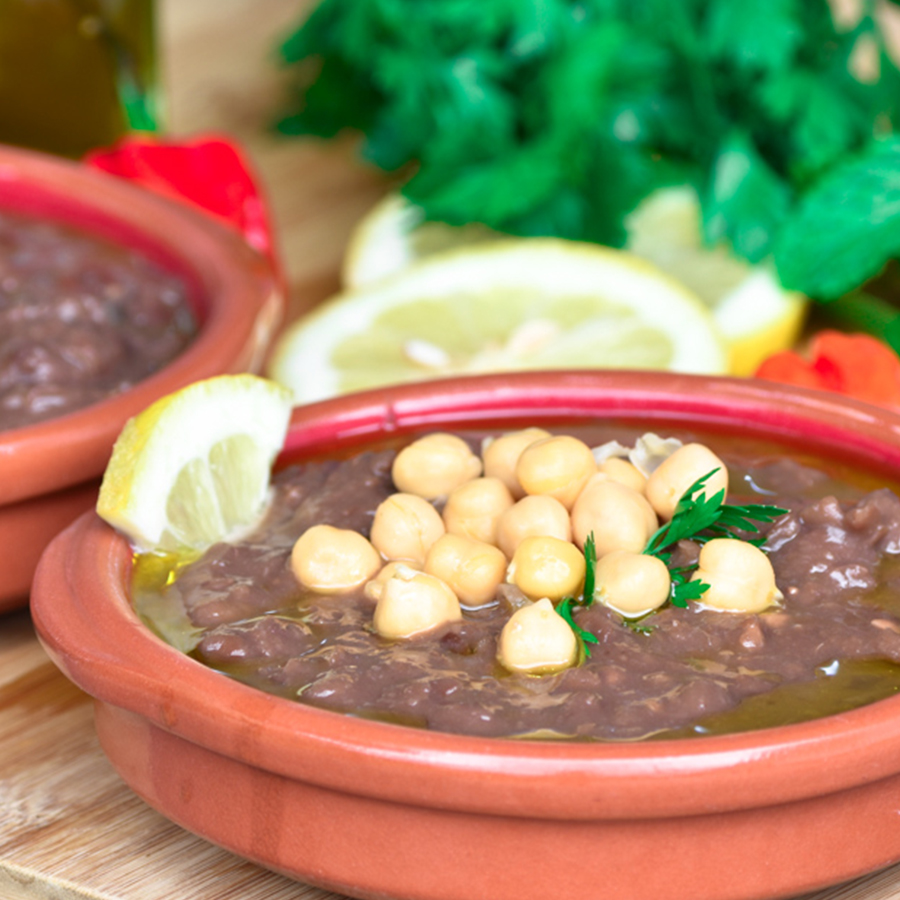
Although beans for breakfast may sound unusual in some cultures, anyone who has spent time in Lebanon, Egypt, or elsewhere in the Middle East is likely familiar with foul mudammas (also spelled ful mudammas). This traditional Middle Eastern dish, made from fava beans, is a breakfast and brunch staple enjoyed across the region.
Foul mudammas has a rich history dating back thousands of years, with roots believed to trace back to ancient Egypt during the Pharaonic era. Fava beans have long been an essential part of the Middle Eastern diet, making this hearty and nutritious dish a beloved culinary tradition that continues to bring people together at breakfast tables today.
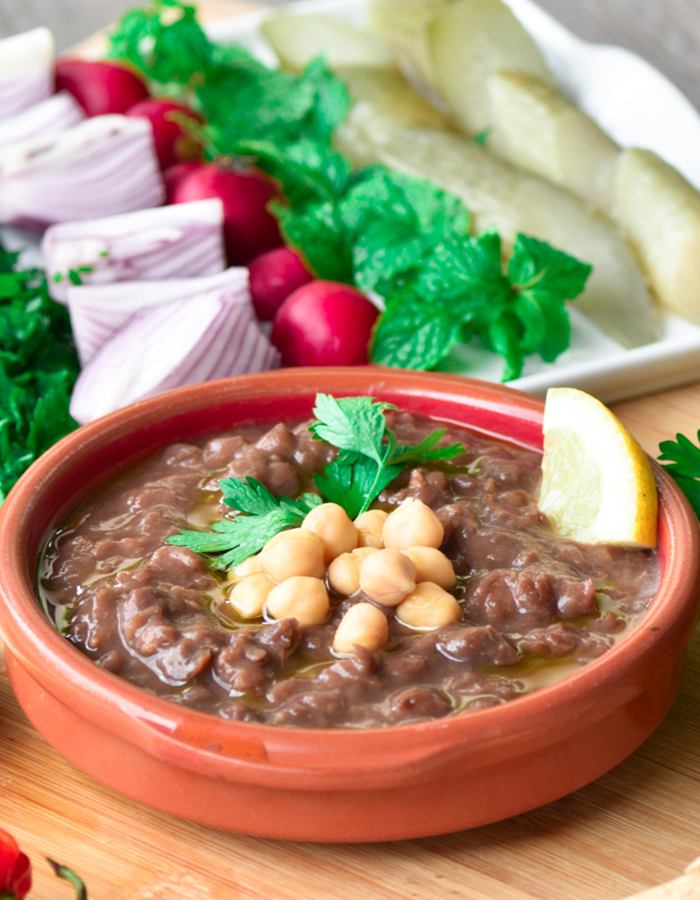
Foul mudammas is beloved for many reasons: it is delicious, budget-friendly, filling, and nutritious, with plenty of benefits for gut health! Naturally vegan, this traditional Middle Eastern dish is packed with plant-based protein, fiber, iron, and magnesium. It is perfect for breakfast, but you can also enjoy it for lunch or dinner, especially if you’re looking to reduce your meat consumption.
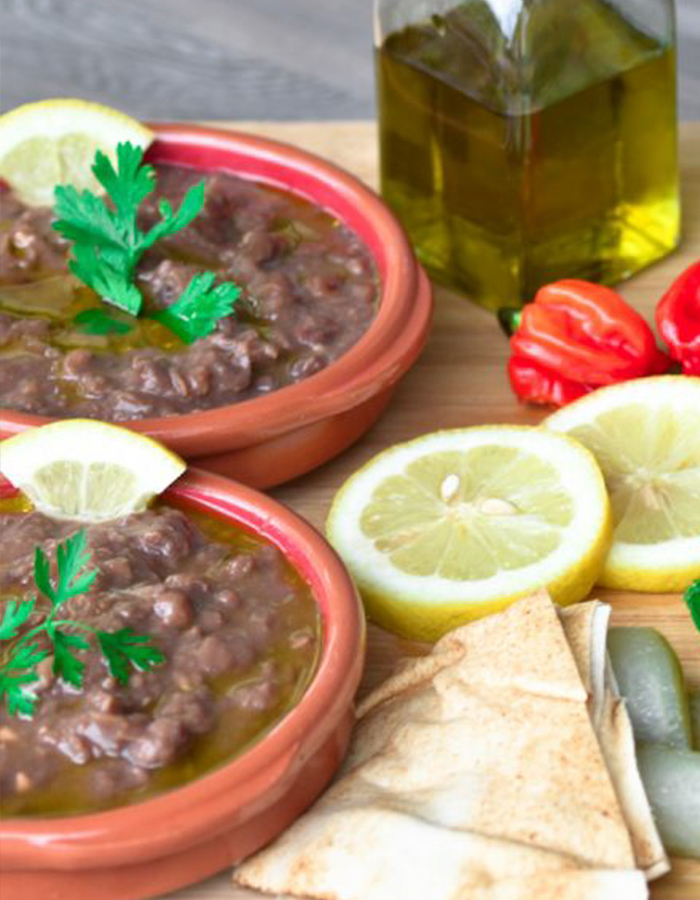
Foul Mudammas: Why Dried Fava Beans Are Better Than Canned
The star ingredient in foul mudammas is dried fava beans, which are soaked in water overnight and then cooked low and slow for several hours until they become melt-in-your-mouth tender. These days, however, many people turn to canned fava beans to save time. Canned stewed fava beans are a pantry staple in Lebanon and throughout the Middle East, readily available in supermarkets and grocery stores.
To prepare foul mudammas with canned beans, simply open the can, warm the contents, mash some of the beans with a potato masher, and season with salt, ground cumin, and garlic. The result is delicious, but I’m a big fan of making foul mudammas from scratch using dried fava beans. There are plenty of reasons to skip the canned variety and prepare this traditional Middle Eastern dish from scratch.
In my opinion, properly cooked dried fava beans beat canned beans hands down when it comes to texture and flavor. Take my word for it!
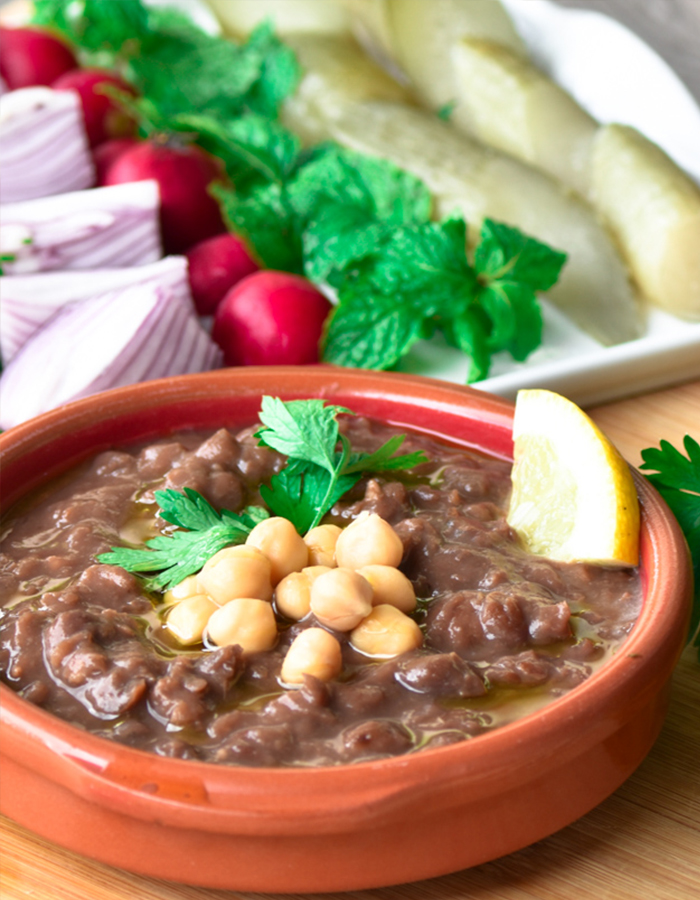
Baroud in Tyre, Lebanon: A Hidden Gem for the Best Foul Mudammas
Whenever I visit Lebanon, I often stop by Baroud, a little eatery in Tyre, southern Lebanon. Nestled in the heart of the old souks, this charming spot is always bustling with customers gathered around cramped tables, enjoying breakfast or lunch.
What makes Baroud so special is its legendary foul mudammas, served with fresh vegetables, pickles, warm bread, and a hot cup of tea. It is one of those exceptional places that, in my opinion, serves some of the best foul mudammas in the world!
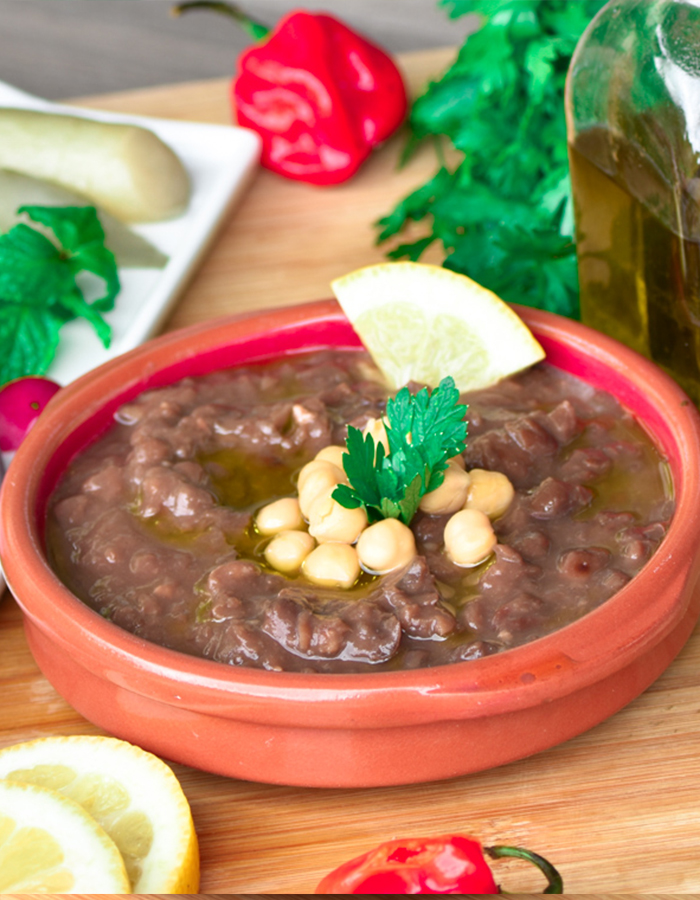
Foul Mudammas: A Beloved Sunday Morning Tradition from My Childhood
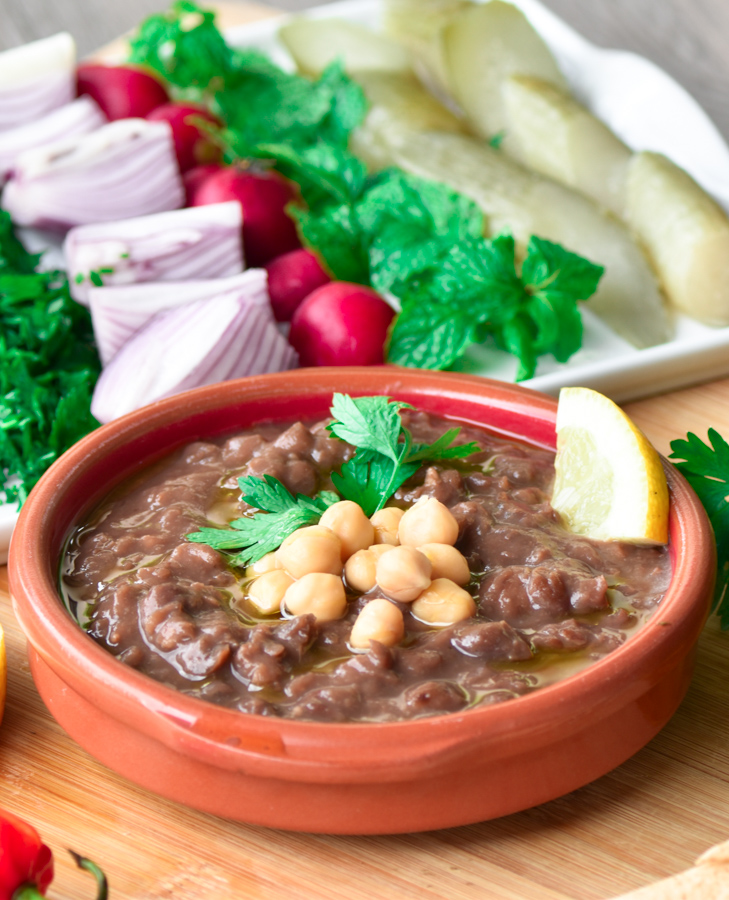
Growing up, foul mudammas was a staple of our Sunday mornings. I can still remember the aroma of foul wafting through the air from the kitchen, filling the house with its irresistible scent. The real fun began when the foul was finally served at the table, surrounded by a colorful spread of diced fresh tomatoes, chopped parsley, mint leaves, sliced onions, pickles, and warm Lebanese bread or pita.
We would scoop up the tender fava beans with pieces of bread, savoring every bite alongside the fresh vegetables and a generous drizzle of olive oil. It was a feast of colors, flavors, and textures—a cherished family ritual and a memorable experience that celebrated the simple pleasures of good food and togetherness.
How to Make Foul Mudammas from Scratch: Family Recipe and Cooking Tips
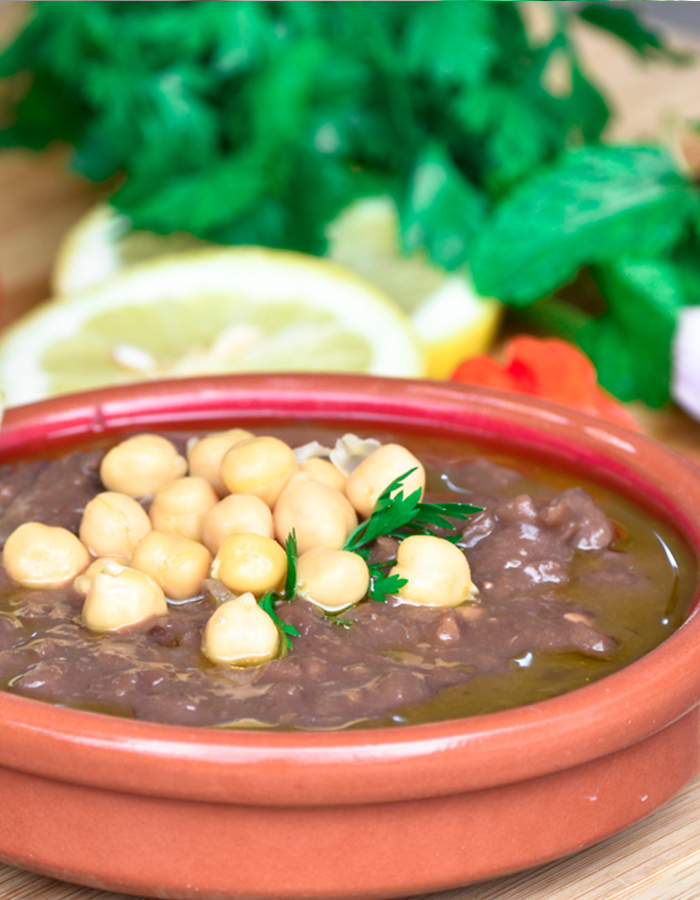
Foul mudammas recipes vary from country to country, and every family has its own way of preparing this beloved Middle Eastern dish. Here is our family’s take on foul mudammas! It is fairly easy to make, but the secret to achieving the best flavor and texture lies in slow-cooking the dried fava beans until they are tender and creamy. The beans are then lightly mashed and seasoned with salt, garlic, lemon juice, and chilies, which add a delicious kick of flavor.
What Type of Fava Beans Should You Use for Foul Mudammas?
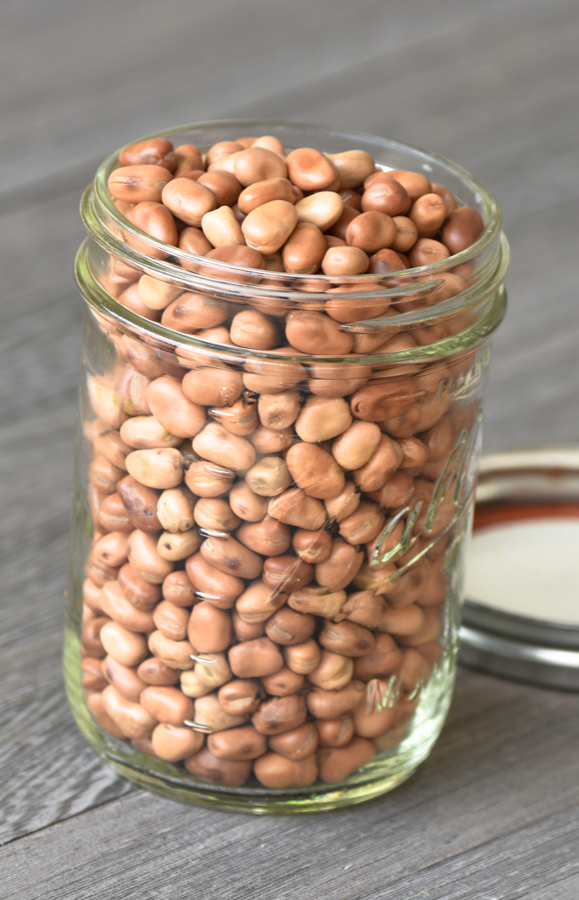
There are several varieties of fava beans, but the ones traditionally used to make foul mudammas resemble pinto beans in appearance, with a firm texture and distinctive flavor. For the best results, I recommend using small or mini dried fava beans, as they cook down beautifully and create a creamy, flavorful foul.
How Much Water Do You Need to Soak Dried Fava Beans, and for How Long?
Soaking dried fava beans before cooking helps rehydrate them and can reduce their cooking time. As a general rule, use 3 cups of water for every 1 cup of dried fava beans, along with a small amount of baking soda if desired.
For the best results, soak the beans for 15–20 hours. A longer soaking time allows the beans to absorb more water and soften. If you plan to soak them for longer than 20 hours, keep them covered in the refrigerator.
Before cooking, drain and discard the soaking water, rinse the beans thoroughly, and cook them in fresh water.
Should You Add Baking Soda When Soaking Fava Beans?
Adding baking soda is optional, but it can make a noticeable difference in the texture of foul mudammas. Fava beans have tough outer skins that can take a long time to soften, especially when the beans are older. Baking soda helps soften the skins and can speed up the cooking process, making it easier to achieve the tender, creamy texture often found in restaurants.
If you prefer not to use baking soda, you can still make delicious foul mudammas. Just keep in mind that the beans may need more time to cook until perfectly tender.
How Long Does It Take to Cook Foul Mudammas?
Foul mudammas typically takes around 2 hours to cook over low heat, although older beans may require additional cooking time. Since it is difficult to know how old dried beans are, check their tenderness as they cook, stirring gently about every 30 minutes.
As the beans simmer, their skins gradually soften, and the cooking liquid thickens as the beans release starch. The finished dish should have a thick, creamy, stew-like consistency, with tender beans that are easy to mash.
If the beans begin to dry out before they are fully cooked, add more boiling water as needed to maintain your desired consistency. Be patient—slow cooking is the key to making flavorful, tender foul mudammas from scratch!
Can You Make Foul Mudammas Ahead of Time?
Absolutely! I often cook a big batch of foul mudammas and enjoy it throughout the week. It makes breakfast or dinner so much easier on busy days, and you can also freeze individual portions for later.
Once cooked, foul mudammas can be stored in the refrigerator for 3–4 days or frozen for longer storage. As the beans cool, they absorb more of the cooking liquid, so the dish may become quite thick or even firm in the refrigerator. This is completely normal.
To reheat, transfer the desired portion to a saucepan and add a little water to loosen the mixture. Warm it gently, then season to taste with salt, ground cumin, crushed garlic, and fresh lemon juice. Finish with a generous drizzle of olive oil, and your foul mudammas is ready to serve!
Having cooked fava beans on hand is a wonderful way to prepare a quick, satisfying meal on busy mornings or weeknights. Simply reheat, season, and serve with warm pita bread, fresh vegetables, and pickles for a delicious traditional Middle Eastern meal.
Why Extra-Virgin Olive Oil Makes Foul Mudammas Taste Better
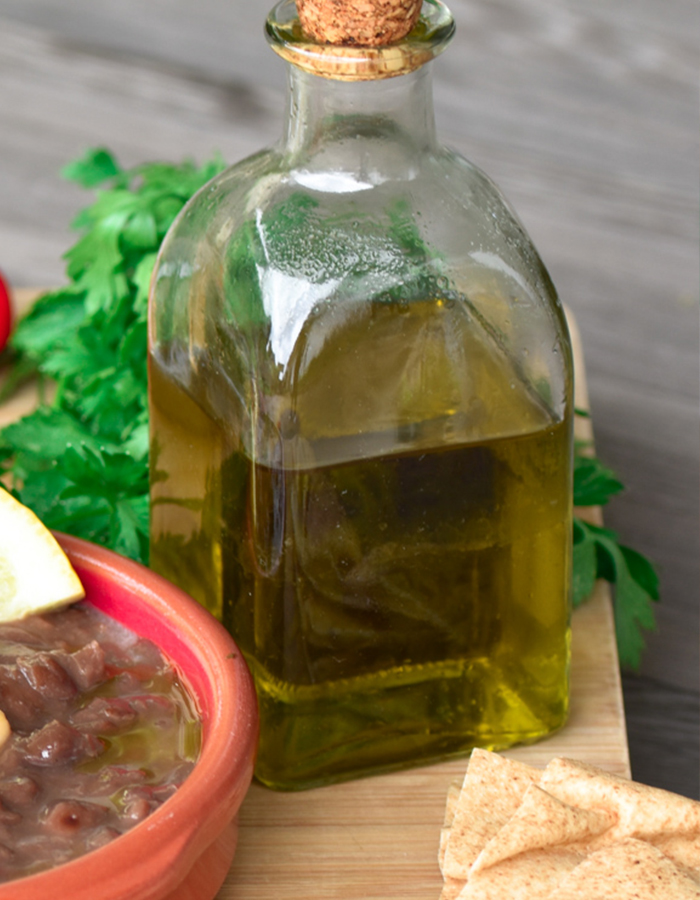
Not all olive oils are created equal! Use the best-quality extra-virgin olive oil you can find, as it enhances the flavor of foul mudammas and beautifully balances the earthy taste of the fava beans.
I’m lucky enough to receive a generous gallon of extra-virgin olive oil from my mother-in-law in southern Lebanon every year. She grows her own olives in her olive grove and takes the freshly harvested olives to a local olive press to be made into oil. The result is pure heaven! Its rich aroma and wonderful flavor make everything taste better, and a generous drizzle over a bowl of foul mudammas takes this traditional Middle Eastern dish to another level.
Foul Mudammas with or Without Chickpeas: Which Is Better?
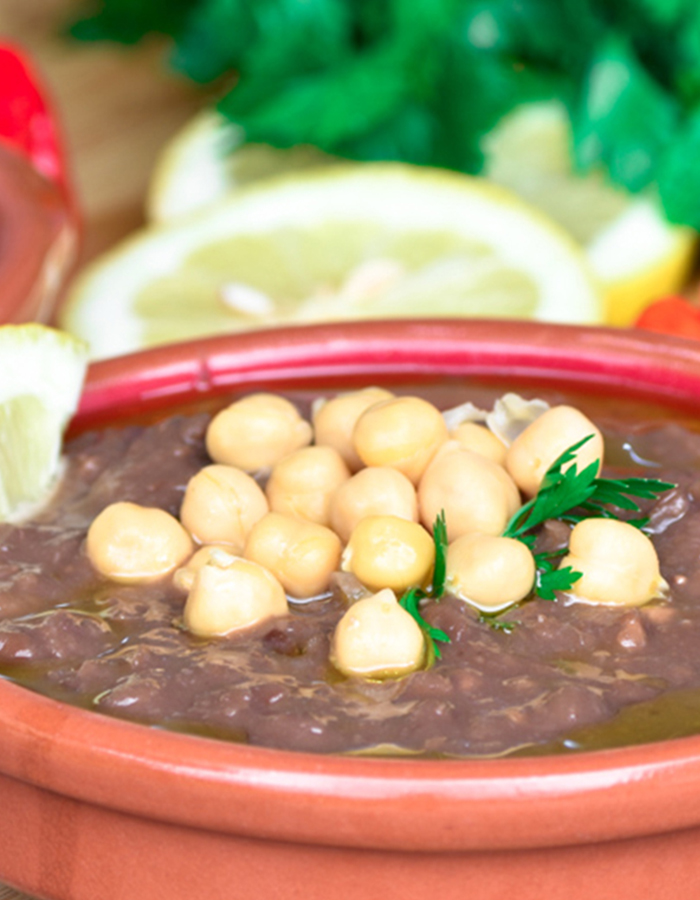
If you love chickpeas, go right ahead and add them to your foul mudammas! There is absolutely nothing wrong with adding cooked chickpeas to this traditional Middle Eastern dish; in fact, they pair beautifully with fava beans.
You’ll find different variations of foul mudammas from one family to another. Some like to include chickpeas, while others prefer to leave them out. Personally, I’m all for adding them! My husband, however, isn’t a fan of chickpeas in his foul. But when I’m cooking for myself, I always like to add some because they bring extra texture and depth of flavor to the dish.
To prepare dried chickpeas, soak them overnight in plenty of water with a pinch of baking soda. The next day, drain, rinse, and simmer them in fresh water for about 1–2 hours, or until tender. Cooking time may vary depending on the age of the chickpeas. Lightly mash some of the cooked chickpeas and spoon them over your foul mudammas for an extra layer of flavor and texture.
Not a chickpea fan? No problem! Simply leave them out and enjoy your foul mudammas the way you like it.
More Lebanese Breakfast Recipes: Traditional Breads, Cheeses, and Middle Eastern Favorites
- Kaak alasreya/ Kaak/ Lebanese Street Bread
- Zalabia
- Manakeesh /manakish /manaeesh
- Lebanese Sweet Kaak
- Meshtah
- Labneh
- Shanklish
- Labneh Balls
- Jibneh baladi (baladieh)
- Lebanese bread
- Bread Knafeh
- Lebanese Fried Eggs with Garlic and Sumac
 Let’s Stay in Touch!
Facebook, Instagram, YouTube , Pinterest and TikTok!
Foul Medames, Ful
Description
Ingredients
- 2 cups dried fava beans with skins
- 5 cups water plus extra for soaking if needed
- ¼ cup freshly squeezed lemon juice
- ½ teaspoon ground cumin
- 8 garlic cloves minced
- ½ teaspoon baking soda for soaking
- Extra-virgin olive oil for drizzling before serving
- Cayenne pepper optional, but recommended for a spicy kick
- To Serve
Serve with a colorful spread of diced tomatoes, fresh mint sprigs, sliced onions, pickles, and sliced radishes.
Instructions
- There are several varieties of fava beans, but the ones traditionally used to make foul mudammas resemble pinto beans in shape and have a firm texture and distinctive flavor. For the best results, I recommend using small or mini dried fava beans, as they cook beautifully and give the dish its characteristic taste and texture.
- Soak the fava beans in 6 cups of water with a pinch of baking soda for 15–20 hours. A longer soaking time helps rehydrate the beans and soften their skins, allowing them to cook more evenly and become tender.
- Rinse and drain the beans under cold running water. Transfer them to a medium-sized pot and cover with 5 cups of fresh water. Bring to a boil over high heat, skimming off and discarding any white foam that rises to the surface.
- Cover the pot and simmer over low heat for 2–3 hours, or until the fava beans are completely tender and the cooking liquid has thickened slightly. Check the beans occasionally, and if the liquid begins to evaporate too much, add ½ cup of boiling water at a time. Continue cooking until the beans are soft and creamy. The final consistency should resemble a thick soup.
- Remove the pot from the heat and season the foul with salt, fresh lemon juice, ground cumin, and minced garlic. Mix well to combine, adjusting the seasonings to taste.
- Lightly mash the fava beans using a mortar or potato masher, leaving some beans whole for texture. Transfer to a large serving bowl and drizzle generously with extra-virgin olive oil before serving.
- Garnish with diced tomatoes, sliced radishes, fresh mint leaves, and pickles. Serve warm with pita bread for scooping up the delicious foul mudammas.























2 Comments
I’m a huge fan of beans for breakfast and this recipe looks SO good! Fava beans are not available in my area … could I substitute pinto beans or another style of bean in this recipe?