


Often in my life, I look back nostalgically on my childhood in Beirut in the late 1980s, remembering the street food carts that surrounded Corniche Al-Manara—a seafront social spot offering fresh air and a paved sidewalk for jogging, biking, and walking, all while enjoying the soothing sound of the sea. It was a haven from the stresses of everyday life in the city.
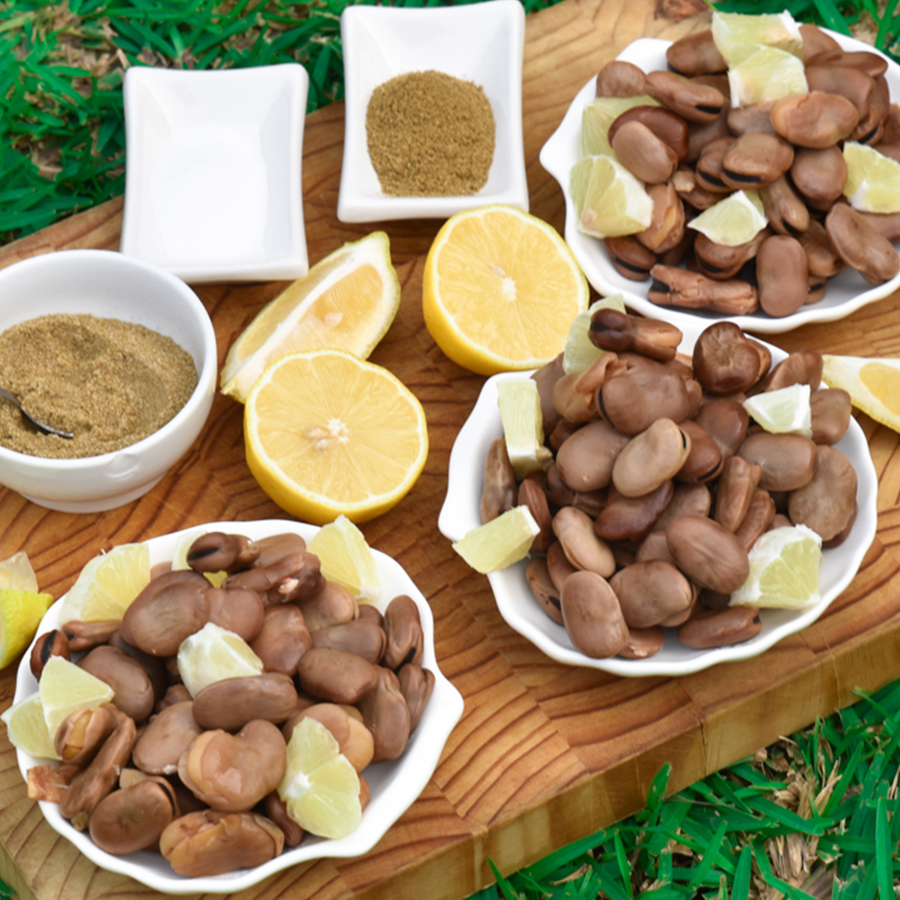
The food carts offered a modest variety of simple foods that kept us full when we were starving and needed a quick grab-and-go snack. The goodies they served were brimming with soul and simplicity: lupin beans, boiled corn on the cob, kaak, nuts, coffee, tea, and much more. But my favorite was the boiled fava beans, known as foul (foul nabet), served with cumin and lemon wedges. They were simply seasoned with a mixture of salt and cumin, then generously drizzled with fresh lemon juice just before serving.
For me, foul nabet is a no-brainer comfort food—perfect for road trips, late-afternoon snacks, and entertaining. More than just a humble street food, it is a delicious symbol of Lebanese and Middle Eastern hospitality.
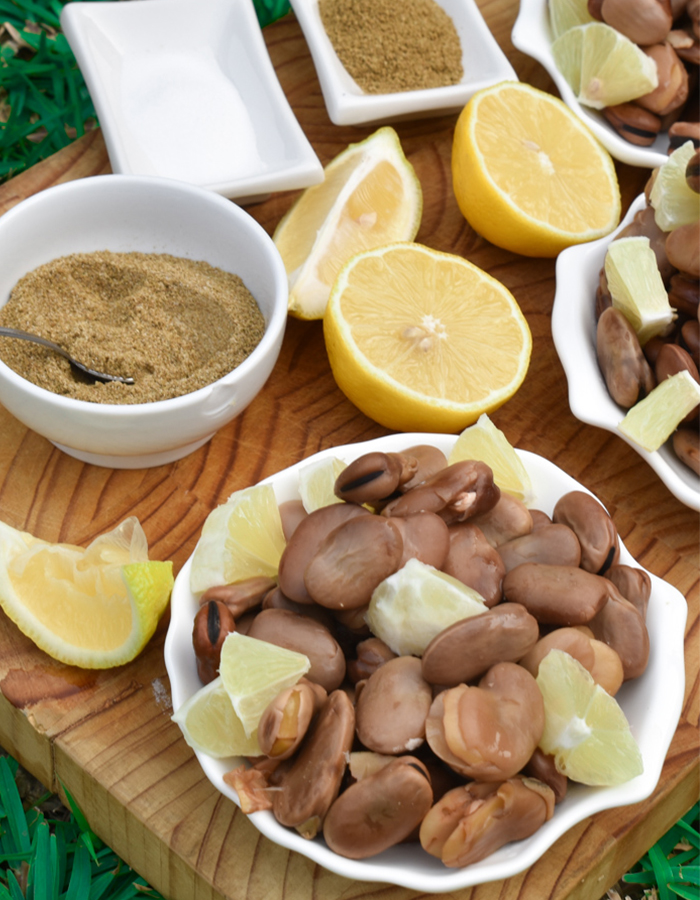
I’m assuming most of you have never had this snack—unless you were raised in the Arab world or are of Middle Eastern origin. Long before the age of packaged snacks that now fill supermarket shelves, people across the Middle East snacked on a variety of legumes and earthy ingredients, including foul nabet.
For a healthy and delicious snack, foul nabet—dried broad beans seasoned with cumin and lemon—is the ultimate answer to savory cravings. Hearty, satisfying, and wonderfully simple, nothing quite beats a good old-fashioned, humble snack.
To make foul nabet, the beans are cooked slowly over low heat and served warm with salt, ground cumin, and lemon wedges. They’re wrapped in a thick skin that, although edible, is best peeled away before eating. Inside, the beans are soft and tender, with a mild, earthy flavor that makes them perfect for snacking.
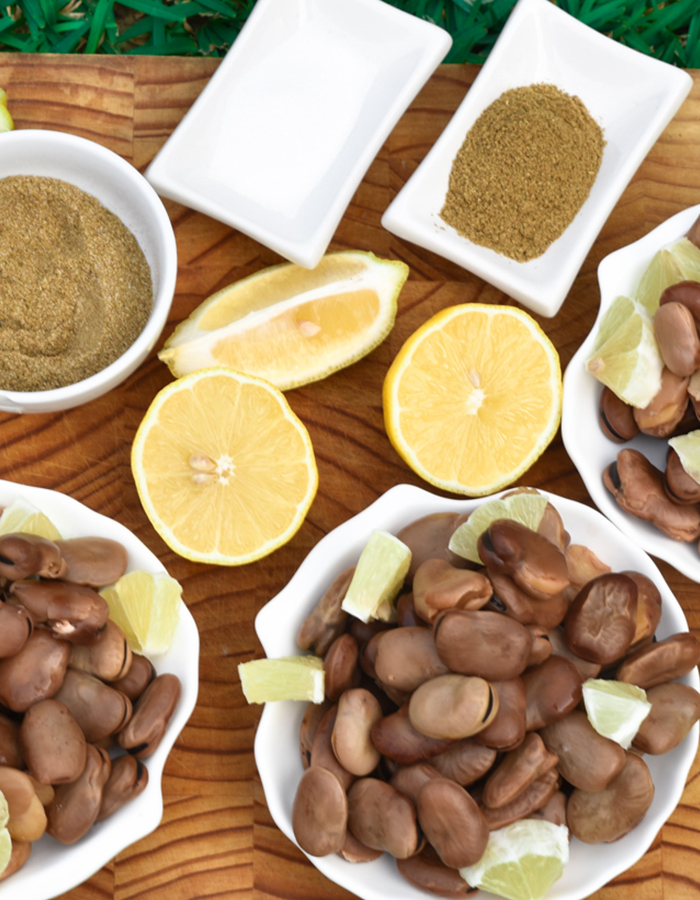
Seasoning:
Salt and cumin are the classic seasonings for foul nabet, but you can add some heat with cayenne pepper or chili flakes. Combine the seasonings together in a small ramekin.
Storage:
These boiled fava beans (foul nabet) can be enjoyed warm as soon as they are made. They should not be kept in the refrigerator for too long. Foul nabet is a very delicate legume that will keep for only two or three days before the beans begin to turn black. For this reason, if you are not planning to eat them within a few days, it is better to freeze them.
Freezing:
Let the foul/beans cool completely. Portion them into Ziploc bags and stack them in the freezer for storage. I tested this and found that the beans are best when you add a little of the cooking broth to each bag before freezing.
When you are ready to use them, remove a bag and thaw it in the refrigerator overnight. Then reheat the beans, drain them, and season with lemon juice, cumin powder, and salt.
 Let’s Stay in Touch!
Facebook, Instagram, YouTube , Pinterest and TikTok!
Dried Fava Beans with Cumin and Lemon
Description
Equipment
- Pot
Ingredients
- 4 cups large dried broad fava beans
- 10 cups of water to soak the beans
- 6 cups of water to cook the beans
- 1 lemon cut to slices
- 1/4 teaspoon baking soda
- Water to cook
Before serving:
- 1 tablespoon salt
- 2 tablespoons cumin powder
Instructions
- Fill a large bowl with the dried fava beans, baking soda, and 10 cups of water. Leave the beans to soak for 24 hours, or for a minimum of 18 hours. They will expand as they soak and are ready when they have softened and increased in size.
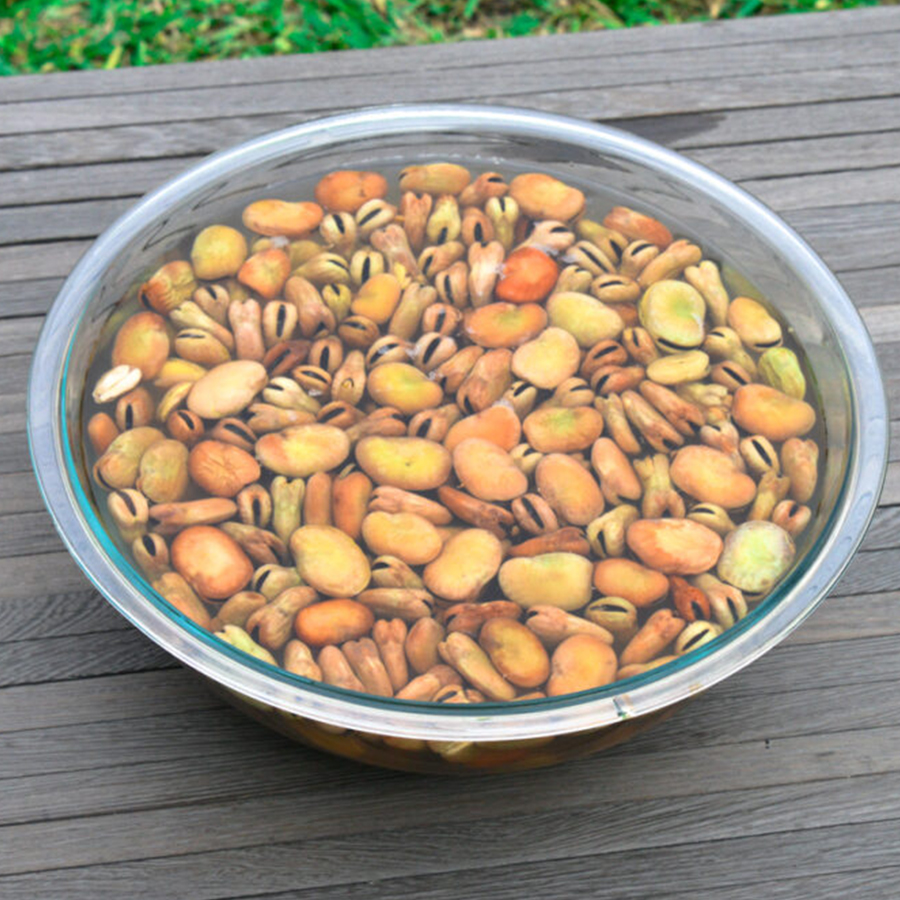
- Transfer the dried fava beans to a mesh sieve and wash thoroughly under running water. Drain and transfer to a large pot. Add 6 cups of water, ensuring the fava beans are completely submerged.
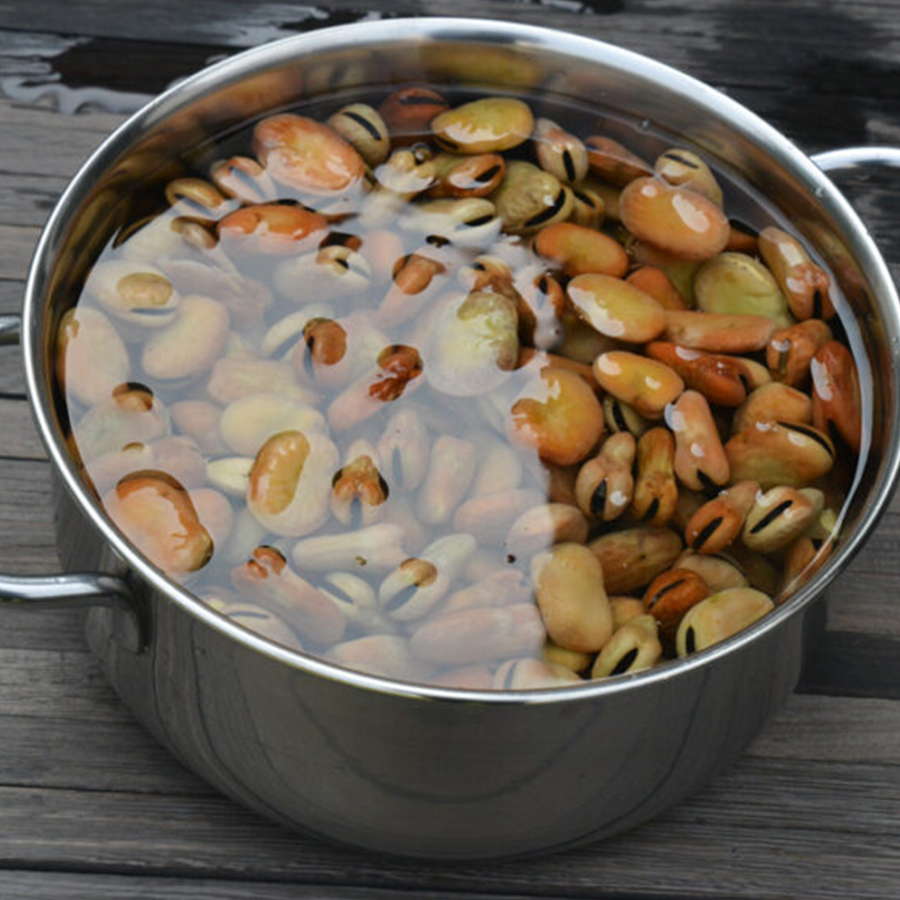
- Cook over high heat. Once it comes to a boil, add the baking soda and lemon slices. Reduce the heat to low and cover.
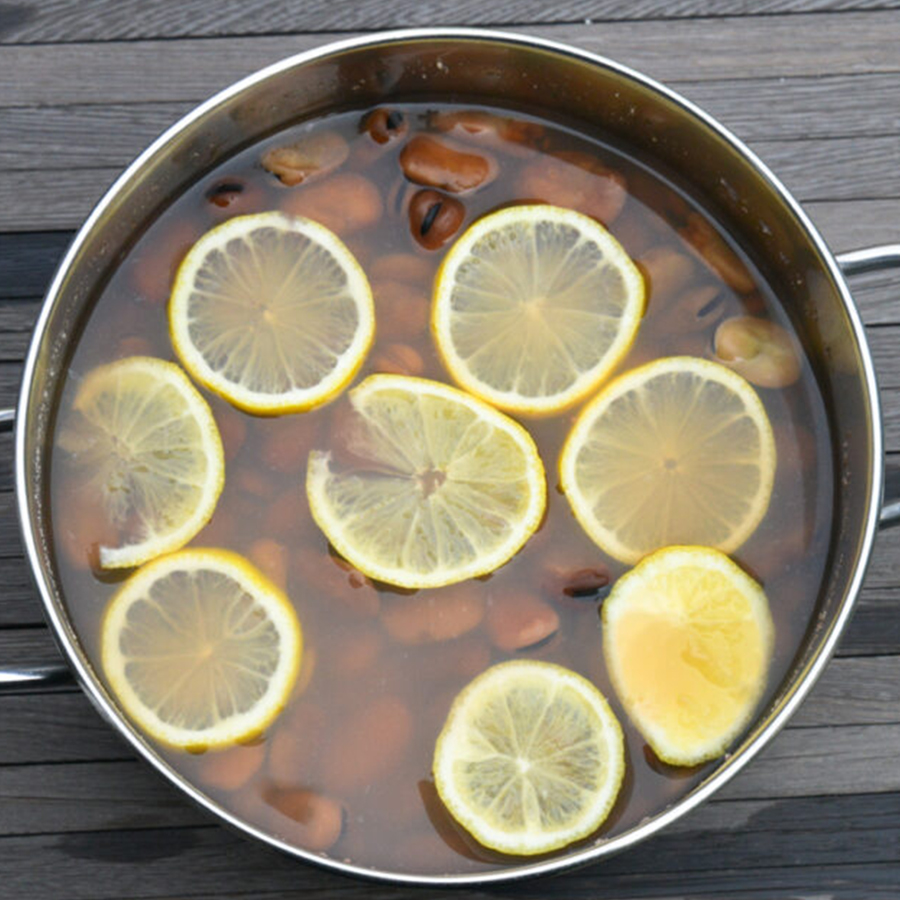
- Cook for about 45 minutes. Once the fava beans have reached the desired degree of doneness, bite-test a few beans for tenderness. The beans should be tender but not mushy.
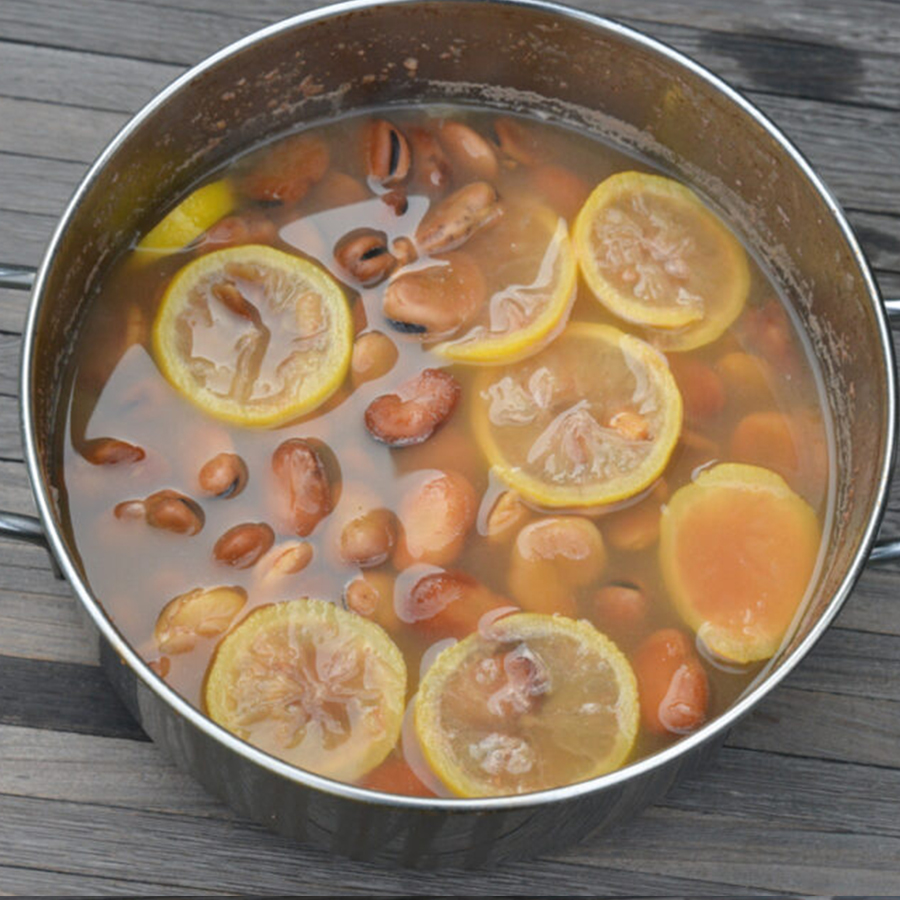
- Remove the pot from the heat and let the beans cool in the cooking liquid. Drain and serve in individual ramekins.
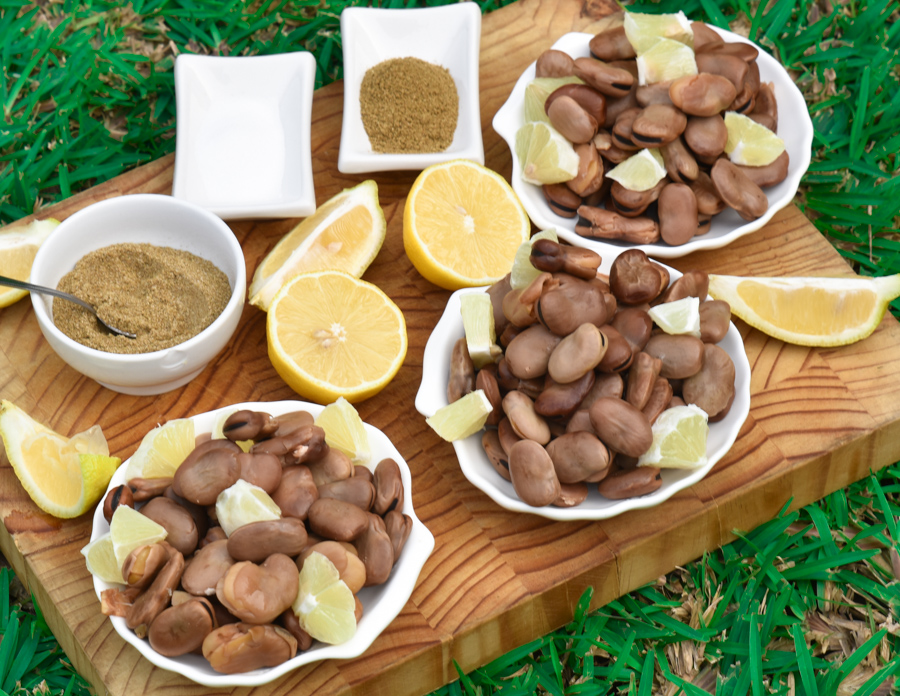
- Mix the salt and cumin powder together.
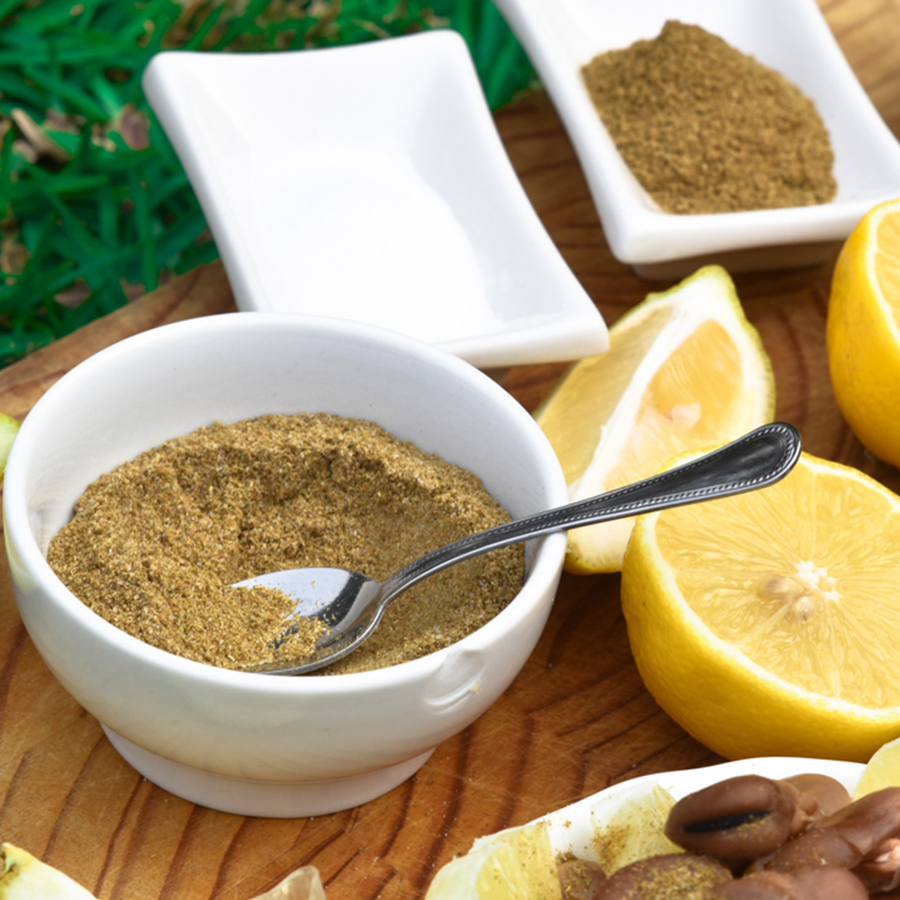
- Add some freshly squeezed lemon juice to each ramekin (the lemon will bring out the flavors).Take a fava bean between your fingers and dip it into the cumin-and-salt mixture. Bite through the top of the bean to break open the shell. Holding the bean in front of your mouth, squeeze it gently, pop the interior into your mouth, and discard the shell.

























2 Comments
I recently moved from San Diego and where I lived before across the street had a delicious Lebanese resturaunt I went to a few times a week. I want to make saj bread with spinach inside and garlic and sumac like I used to buy. Also the tomato bulgar and check out your sweets section. Everything looks delicious! Hi from San Francisco