


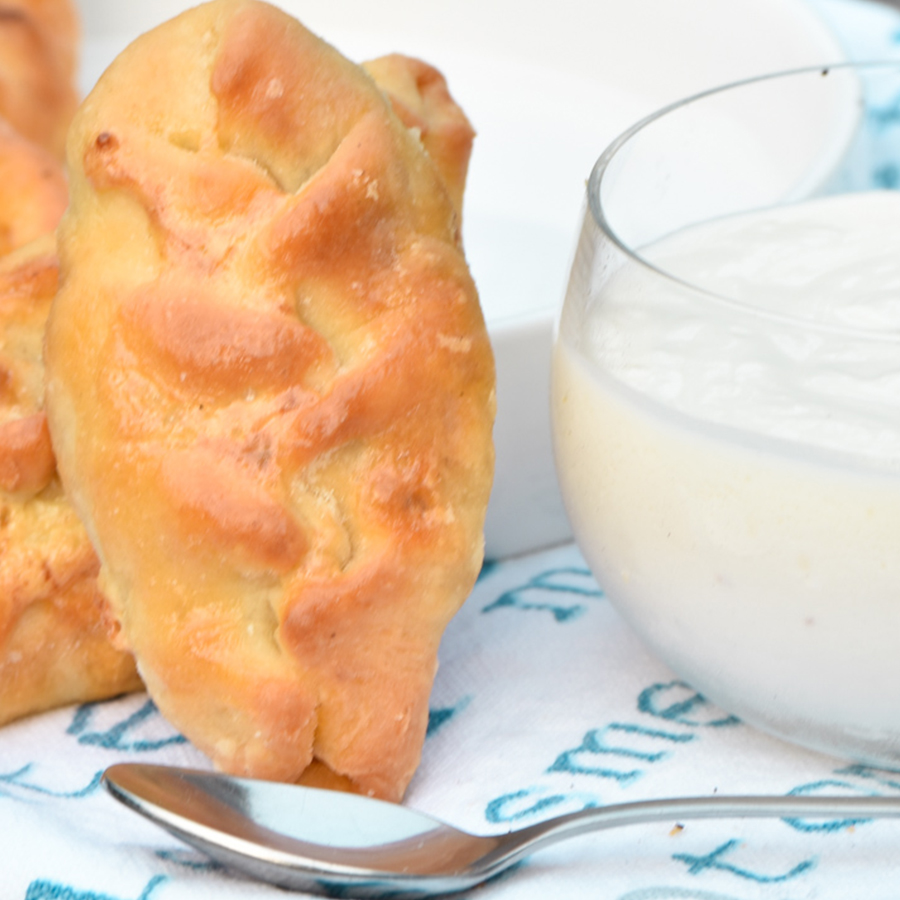
Lebanese fatayer firmly hold a place on our list of favorite comfort foods. They are enjoyed throughout Lebanon and the Middle East at family gatherings, wedding buffets, and all kinds of special occasions.
The inspiration behind this delicious meat fatayer recipe comes from my mother-in-law, who calls them sfeeha. These savory pastries feature a delicate, soft dough wrapped around a flavorful filling of stewed meat, onions, and tomatoes, seasoned with just the right hint of spice.
In an awkward attempt to convince my mother-in-law that sfeeha is something entirely different, she simply replied, “When you love a certain dish, make it the way you want to, add your own little touches, and call it whatever you wish. Who cares!” She made me laugh. Bless her heart!
The truth is that cooks throughout Lebanon have their own versions of these delicious pastries, and the terms sfeeha and meat fatayer are sometimes used interchangeably. (If you are looking for my traditional open-faced version, check out my detailed Lebanese Sfeeha recipe). Although both can be made with similar dough, they often differ in their fillings, shapes, and folding techniques
Ready to make these delicious Lebanese meat pastries at home? Here is my detailed recipe for making authentic Lebanese sfeeha. Make them, and they’ll disappear in a flash!
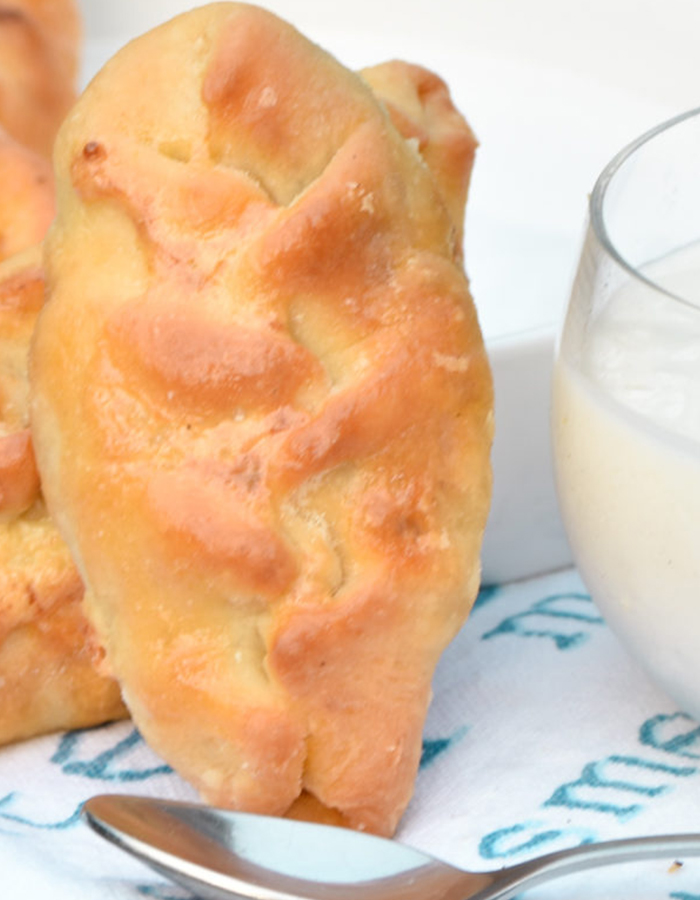
Authentic Lebanese Meat Fatayer Recipe: Golden, Soft, and Packed with Flavor
These savory, flavorful meat fatayer, with their tender centers and perfectly golden crusts, hit all the right notes to satisfy the whole family! I love making them for a hearty dinner, paired with a cold glass of ayran, or serving them to family and guests. They’re also a welcome treat in school lunch boxes, perfect for picnics, and always a hit at potlucks.
A fatayer-making day can be a wonderful culinary adventure! It involves making your own dough from scratch and preparing a delicious meat-and-tomato filling. Once you master this dough, you may find yourself eager to experiment with all kinds of fillings. And what can you stuff them with? So many delicious options!
Try filling them with cheese, kishik, fresh za’atar leaves and feta, purslane, spinach, wild sorrel, and more. You name it! The possibilities are endless.
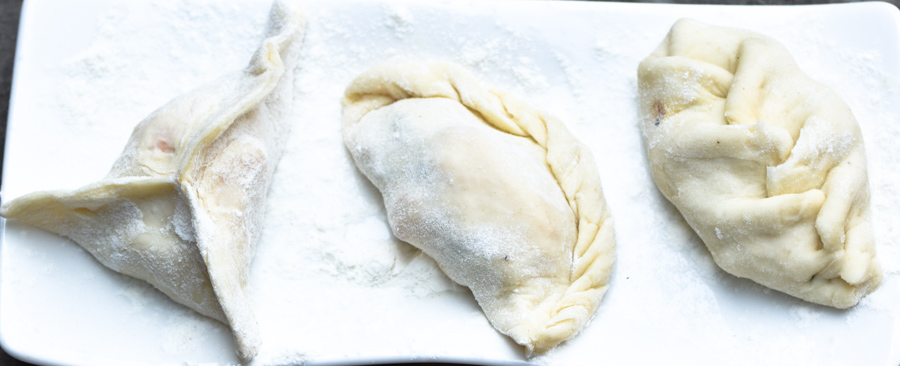
How to Shape Lebanese Fatayer: 3 Traditional Folding Techniques (Video Tutorial)
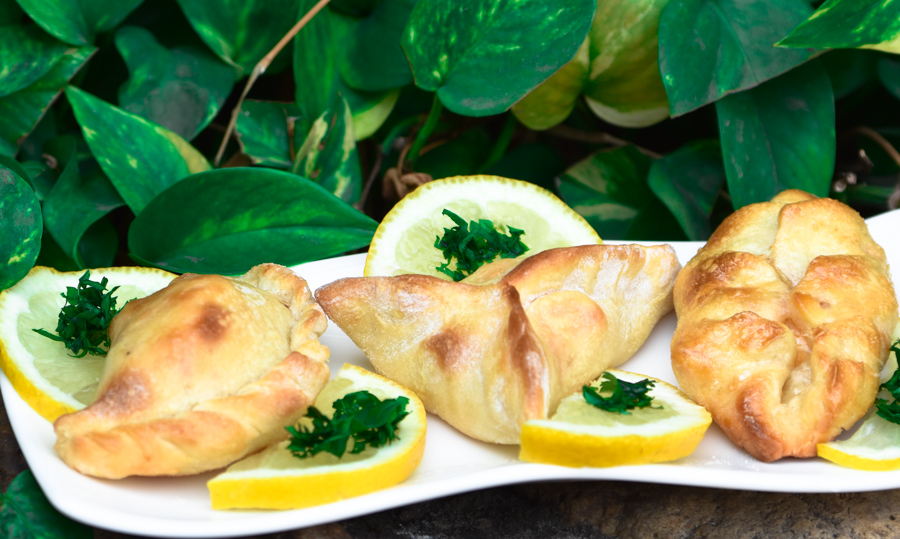
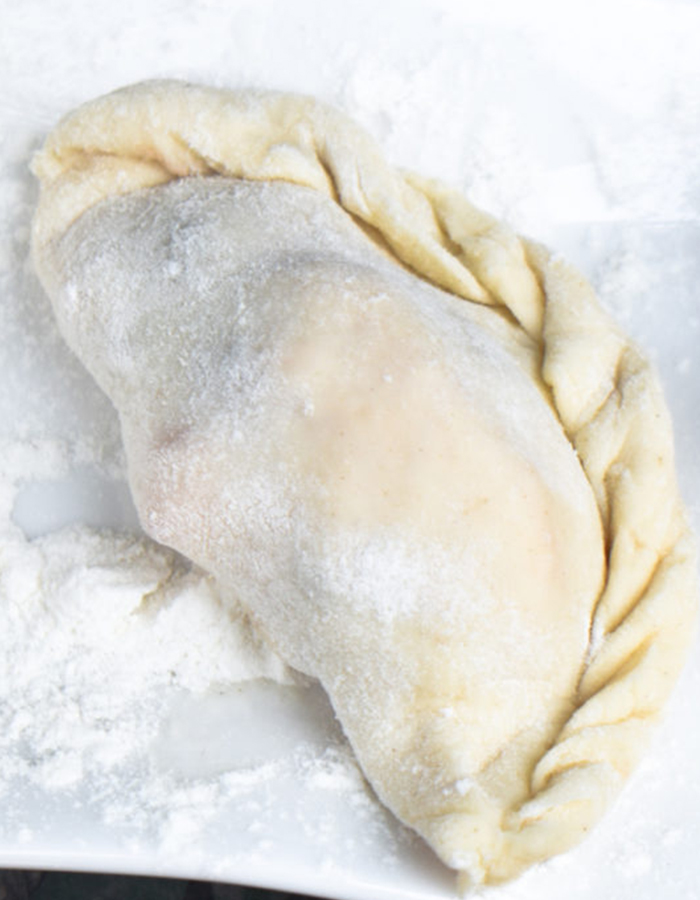
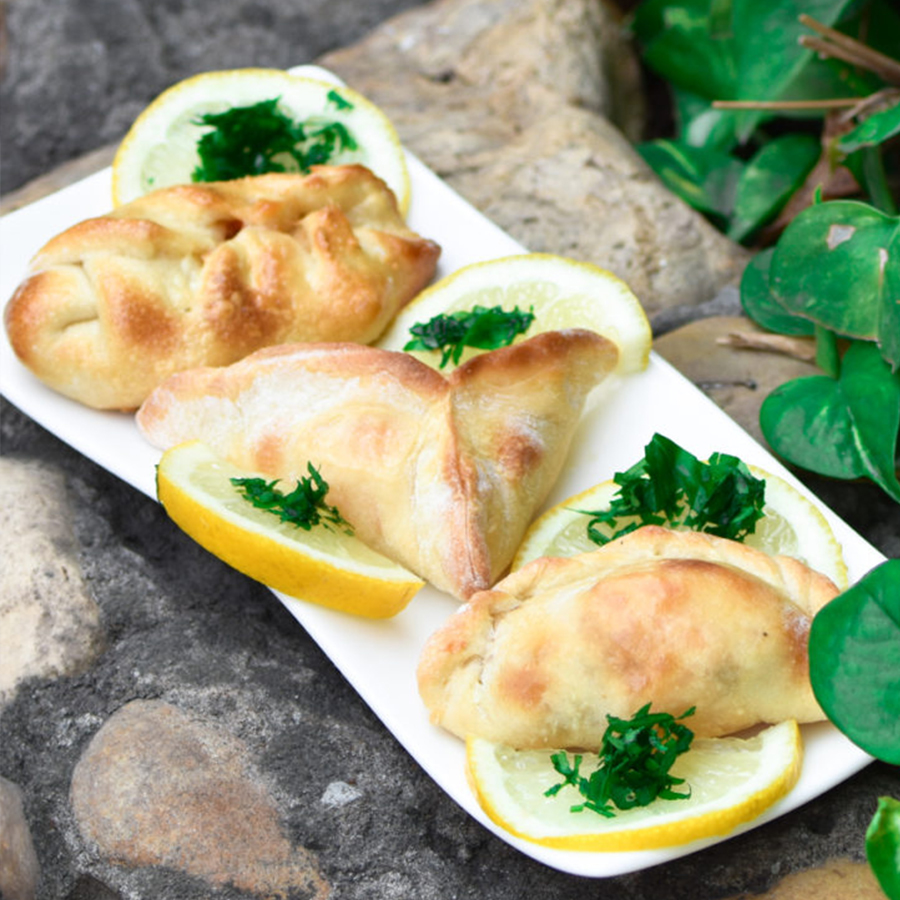
There is more than one way to shape fatayer! The most traditional method is the familiar pyramid-shaped triangle, or you can make half-moon-shaped fatayer pockets that resemble empanadas.
The third style is my mother-in-law’s beautifully crafted fatayer. The crimping and pleating are truly a work of art! With repetitive, rhythmic movements, the dough transforms into an eye-catching pattern. I feel such a wonderful sense of accomplishment whenever I make these fatayer; the process brings me so much joy and satisfaction!
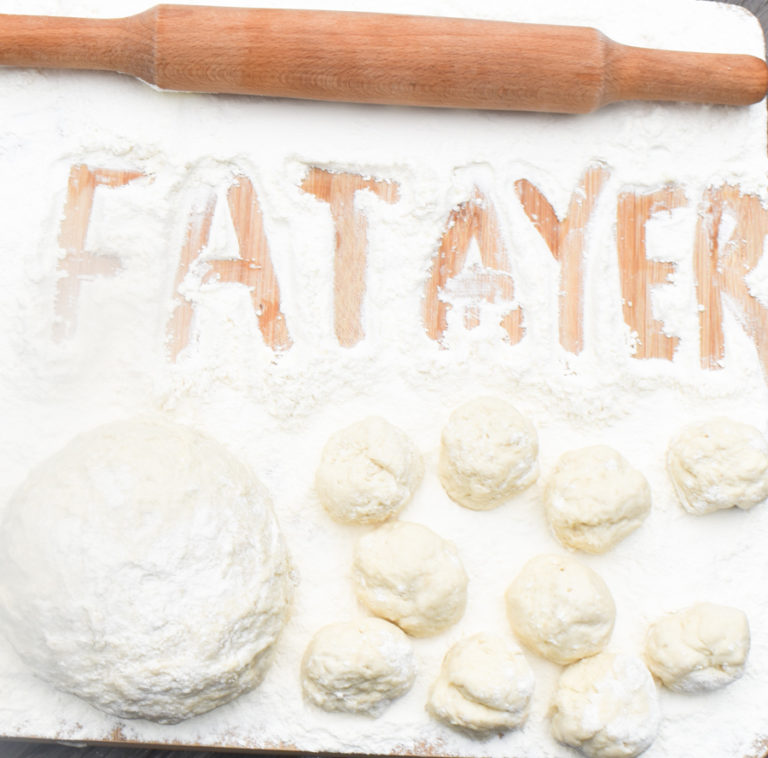
Lebanese Fatayer Dough Recipe: Soft, Versatile, and Easy to Make
As mentioned above, we’re using my versatile dough recipe—the same dough I use to make sfeeha!
This wonderfully versatile dough can be used to make mini manakish, spinach fatayer, calzones, mini pizzas, and turnovers. It’s definitely worth mastering and adding to your recipe collection!
Use whole milk to make the dough. Avoid skim or low-fat milk for the best results.
When preparing the dough, make sure the milk is lukewarm, never hot. Milk that is too hot can kill the yeast, preventing the dough from rising properly.
Kneading the dough by hand is quite simple. I love kneading all my yeast doughs by hand—I’m old-school that way! However, you can absolutely use a stand mixer fitted with a dough hook if you prefer.
Once the dough comes together, gently slam it against a lightly floured countertop a couple of times. This helps develop the gluten, giving the dough a lovely, soft, and fluffy texture.
Watch the video tutorial to see exactly how I make this versatile Lebanese dough, step by step!
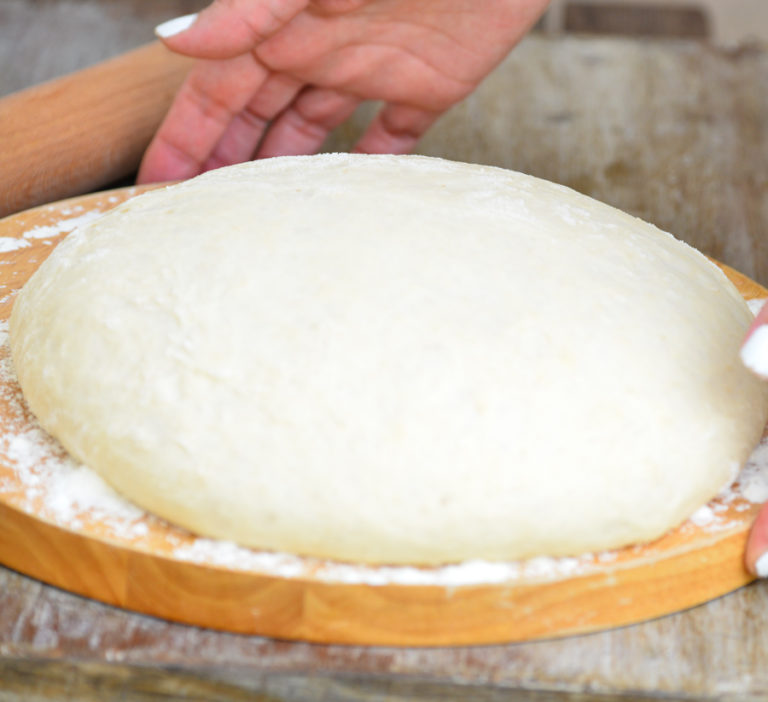
How to Make Soft Lebanese Fatayer Dough: Step-by-Step Instructions
To Make the Dough: In a large bowl, combine the flour, active dry yeast, sugar, salt, and oil. Add the lukewarm milk and mix well until the ingredients come together. Knead until the dough is smooth, soft, and uniform.
Slam the dough against the countertop a couple of times to help develop the gluten, resulting in a light and fluffy texture. Cover the bowl with plastic wrap. Watch the video to see exactly how I do it!
Set the dough aside in a warm place for about 1 hour, or until it has doubled in size.
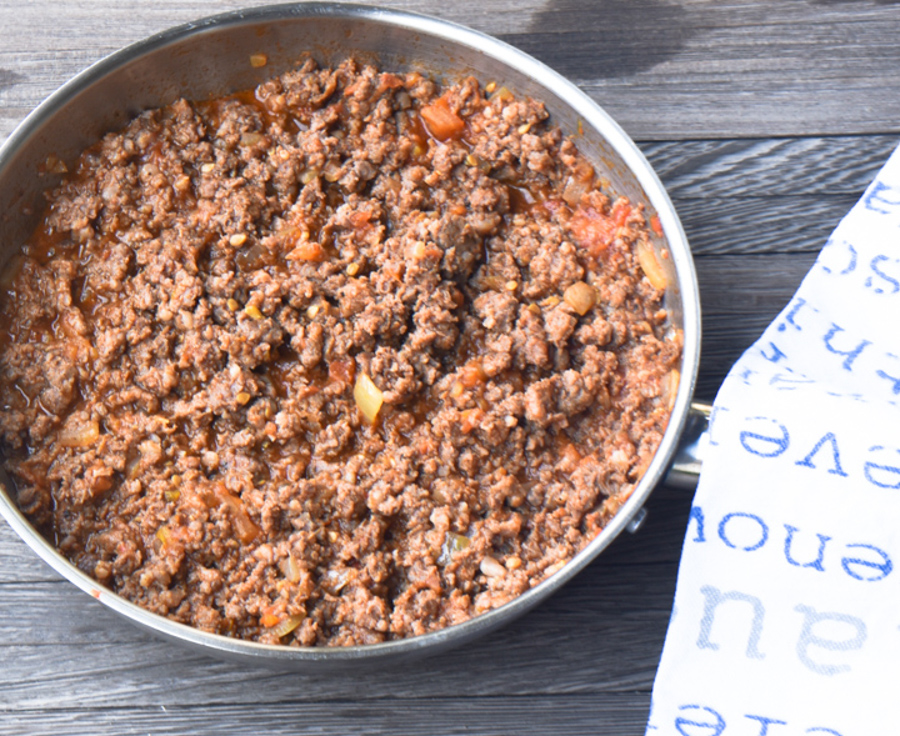
How to Make Lebanese Meat Fatayer Filling
To Prepare the Meat Filling: Heat a large skillet over high heat and coat the bottom with oil. Add the minced meat, breaking it into large pieces, and let it brown for several minutes.
Stir in the chopped onions and season with cinnamon, black pepper, and cayenne pepper, if using. Add the chopped tomatoes and sprinkle with salt. The salt helps draw out the tomatoes’ juices while enhancing and concentrating their flavor.
Reduce the heat to medium, cover, and simmer for about 5 minutes, or until the tomatoes have softened and most of the excess moisture has evaporated.
Taste the filling and adjust the seasoning as needed. We want a flavorful filling, not a bland one!
Set the filling aside to cool completely before assembling the fatayer. If the filling is too warm, it can make the dough difficult to handle and may cause the pastries to open up during baking.
For the best results, refrigerate the filling for at least 6 hours or overnight. This allows it to chill thoroughly, making it easier to work with when shaping your Lebanese meat fatayer.
How to Assemble and Shape Lebanese Meat Fatayer
Once the dough has doubled in size, lightly flour your countertop and divide the dough into equal portions, each roughly the size of a ping-pong ball.
Using a rolling pin, roll each portion into a round about ⅓ cm (⅛ inch) thick. Lightly dust the countertop and rolling pin with flour as needed to prevent the dough from sticking.
Place a spoonful of the cooled meat filling in the center of each dough round. Crimp and pleat the edges over the filling, alternating between the left and right sides, to create a beautiful decorative pattern.
Watch the video tutorial for a step-by-step visual guide to assembling and shaping these delicious Lebanese meat fatayer!
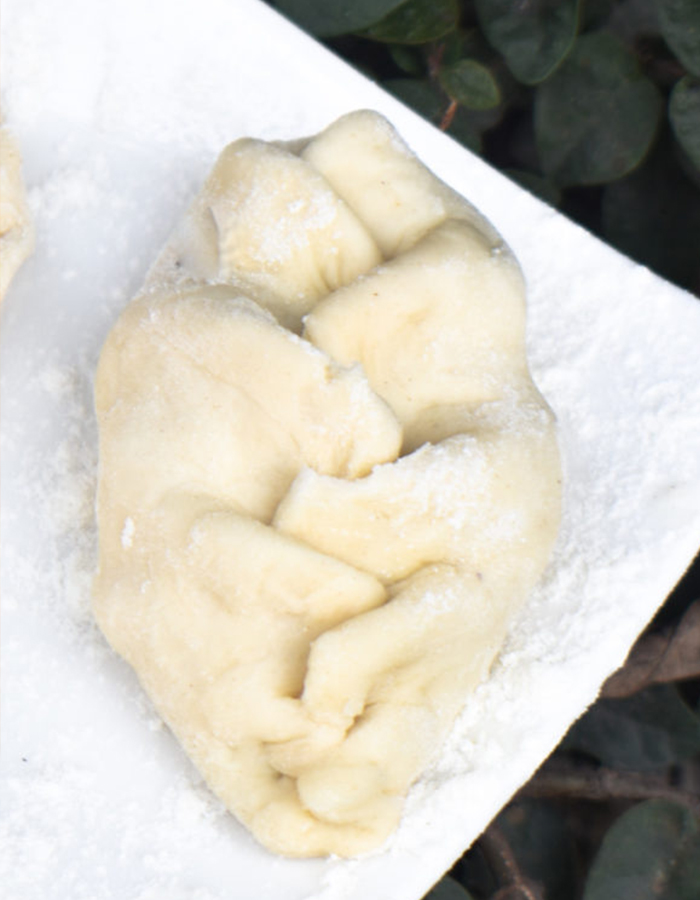
Alternatively, you can shape the fatayer into crescents. Place a tablespoon of filling in the center of each dough round, then fold the dough in half to form a half-moon. Pinch the edges together, then press and twist the dough along the edges to seal securely.
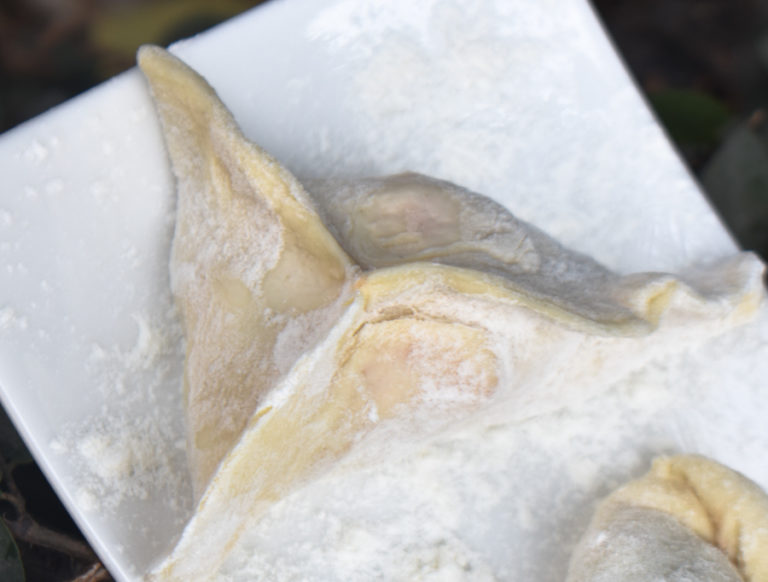
Here is the most common way to shape a fatayer into a pyramid! Place a spoonful of filling in the center of a round piece of dough. Lift the edges of the dough and bring them together at the center. Pinch the edges firmly to seal and form a pyramid.
Make sure the edges are sealed well; otherwise, the fatayer may open up during baking.
Lightly grease two large baking sheets with oil and arrange the meat fatayer on them, leaving enough space between each one to allow for even baking.
Bake for 12–15 minutes, or until the fatayer are golden brown.
Serve warm or at room temperature. Enjoy!
How to Store and Serve Lebanese Meat Fatayer
Storage: Allow the baked meat fatayer to cool completely before storing them in an airtight container. Refrigerate for up to 3 days or freeze for up to 3 months. If frozen, thaw them in the refrigerator before reheating.
Serving: Lebanese meat fatayer are delicious served warm, straight from the oven, when the pastry is at its freshest. However, they are equally enjoyable at room temperature, making them perfect for family gatherings, picnics, lunch boxes, and entertaining guests. To restore their freshly baked texture, reheat them briefly in the oven before serving.
Lebanese Party Appetizers and Finger Food Ideas
Looking for more delicious Lebanese appetizers and finger foods for your next party or family gathering? Try these crowd-pleasing favorites, from savory meat pies to crispy cheese rolls and traditional kibbeh!
- Sfeeha, Lebanese Meat Pies
- Cheese Samousek
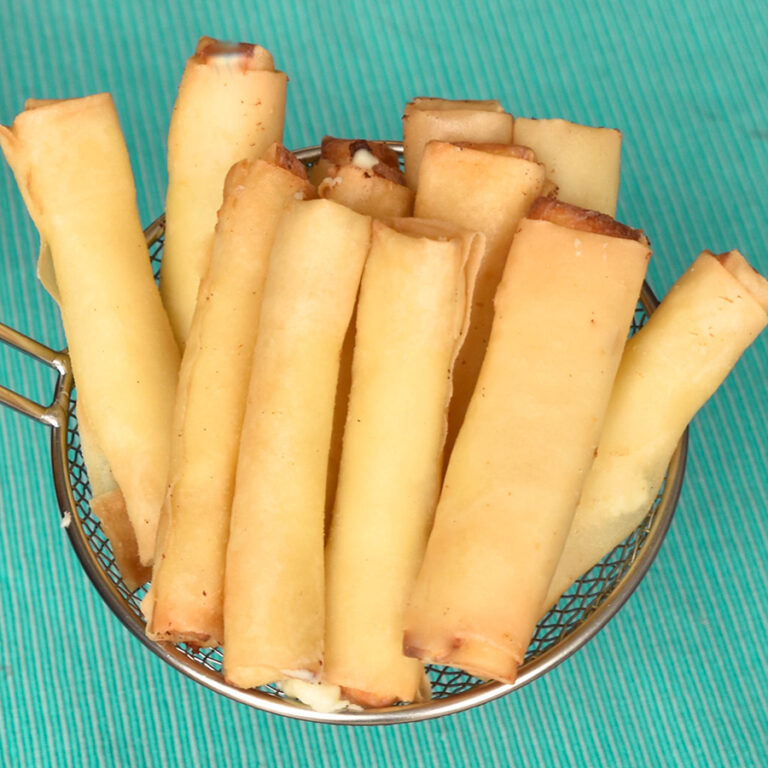
- Lebanese Cheese Rolls
- Lebanese Meat Rolls
- Fried Kibbeh Balls
- Fried Potato Kibbeh Balls
 Let’s Stay in Touch!
Facebook, Instagram, YouTube , Pinterest and TikTok!
Have you tried making these delicious Lebanese meat fatayer? I’d love to hear how they turned out! Did you shape them into traditional pyramids, make half-moon pockets, or try my mother-in-law’s beautiful signature crimp? Let me know in the comments below. I can’t wait to hear about your experience!
Lebanese Meat Fatayer/ Lebanese Meat Turnovers
Description
Ingredients
For the Dough
- 500 g / 1 lb 2 oz all-purpose flour
- 1½ tablespoons sugar
- 1 tablespoon instant dry yeast
- 1½ teaspoons salt
- 2 –3 tablespoons sunflower oil
- 1¼ cups whole milk or slightly less if needed
For the Filling
- 500 g / 1 lb 2 oz ground lamb or beef
- 1 medium onion finely chopped
- 2 large tomatoes peeled and finely chopped
- 1 teaspoon salt
- ½ teaspoon freshly ground black pepper
- ¼ teaspoon ground cinnamon
- ½ teaspoon cayenne pepper optional
Instructions
- • Combine base: In a large bowl, mix the flour, active dry yeast, sugar, salt, and oil.• Add liquid: Pour in the lukewarm milk and mix well until a cohesive dough forms.
- Knead the dough until it is smooth and uniform. Slam it against the countertop a couple of times before covering the bowl with plastic wrap. This technique helps strengthen the gluten in the flour, resulting in a lighter, fluffier dough (watch the video tutorial for visual guidance). Set it aside to rest for 1½ hours, or until it has doubled in size.
- In the meantime, prepare the meat filling. Heat a skillet over high heat and lightly coat it with oil. Add the ground meat, breaking it into large pieces, and let it brown for several minutes. Stir in the chopped onions and season with cinnamon, black pepper, and cayenne pepper (if using). Add the chopped tomatoes and sprinkle with salt—this helps the tomatoes release their juices while intensifying their flavor. Reduce the heat to medium, cover, and simmer for 5 minutes, or until the tomatoes are cooked down and most of the moisture has evaporated. Taste and adjust the seasoning to your preference; you don’t want a bland filling! Set the filling aside to cool completely. Note that using a warm filling can cause the fatayer to unravel during baking, so for the best results, refrigerate it for at least 6 hours, or preferably overnight.
- Preheat your oven to 220°C (430°F) and position the oven rack in the center.
- Once the dough has doubled in size, turn it out onto a lightly floured countertop and divide it into equal portions, roughly the size of a ping-pong ball or slightly smaller.
- Roll each piece of dough into a circle about 3–4 mm (1/8 inch) thick—it should be quite thin. Lightly flour your countertop and rolling pin as needed to prevent sticking.
- I will show you three beautiful ways to shape your meat fatayer:
- The first method is truly a work of art! Place a spoonful of the filling in the center of the dough circle. Crimp and pleat the edges over the filling, alternating between the left and right sides to create a beautiful pattern. Make sure to pinch the dough firmly to seal it well. Watch the video tutorial for a clear, step-by-step demonstration!
- The second method is the crescent-shaped pocket fatayer, which looks beautifully similar to an empanada. Place 1 tablespoon of the filling in the center of the dough circle. Fold the dough in half to form a half-moon, then pinch the edges firmly together. Press and pleat the edges to create a tight, decorative seal. Be sure to check out the video tutorial to see this technique in action.
- And finally, the third method is the traditional pyramid-shaped triangle that you’ve probably seen before. Place 1 tablespoon of the filling in the center of the dough circle. Lift the edges of the circle up and bring them together toward the center. Securely seal the fatayer by pinching the edges firmly together, forming a clean pyramid shape. Make sure your fatayer are tightly sealed; otherwise, they may burst open while baking! Watch the video tutorial to see exactly how it’s done.
- Lightly grease two large baking sheets with oil, then arrange the meat fatayer on them, leaving enough space between each piece.
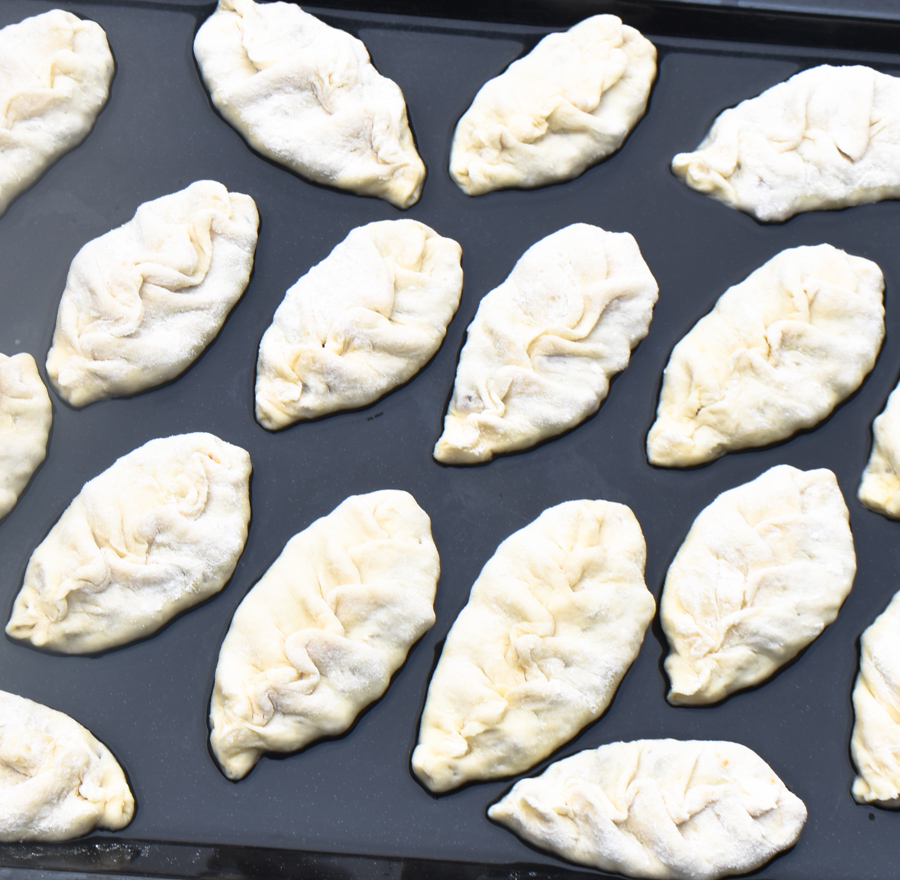
- Bake for about 12 to 15 minutes, or until the fatayer are beautifully golden brown. Serve them warm or at room temperature.






















3 Comments
[…] a meat or spinach pie recipe I grew up making, is called Fatayer. […]
Yes, Robin, a delicacy we all grew up eating.
How many does 1x make? It doesn’t say anywhere. Need an exact count.