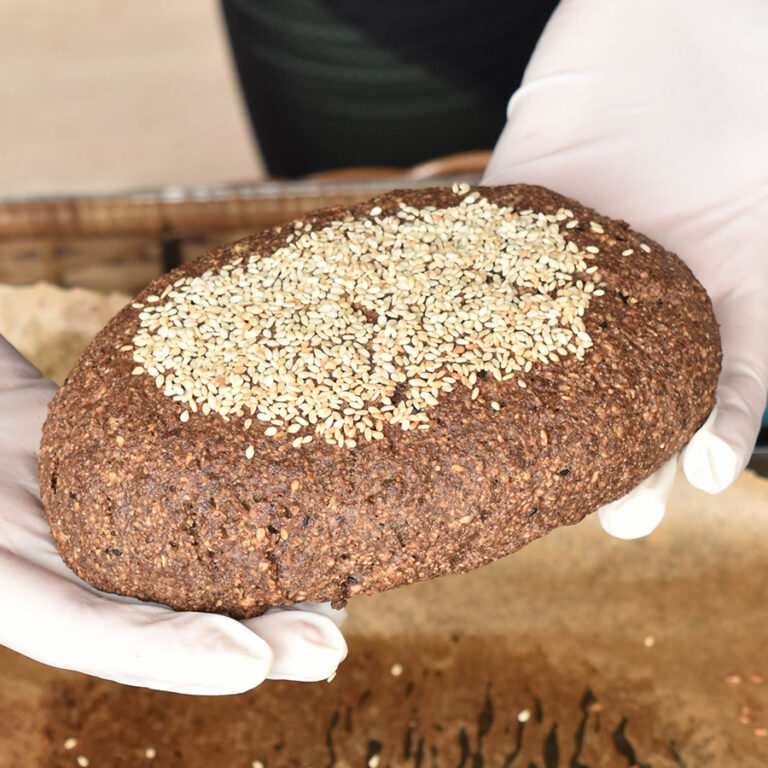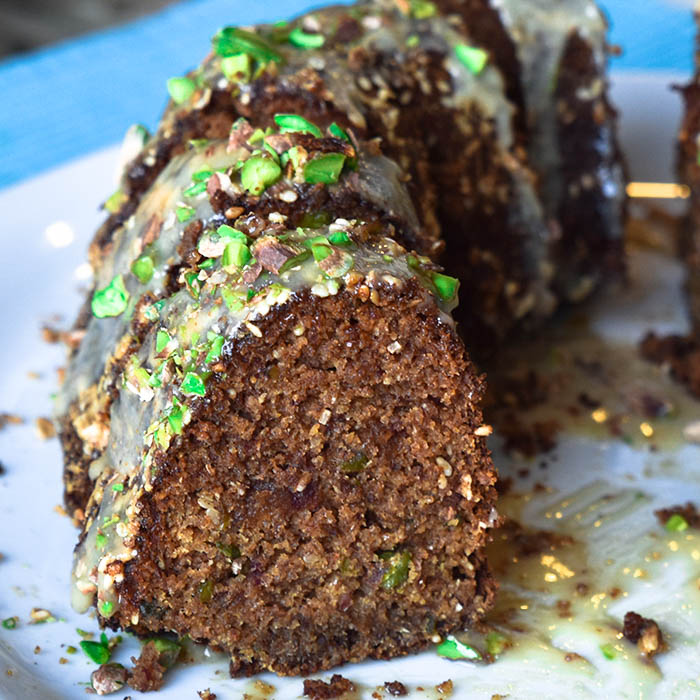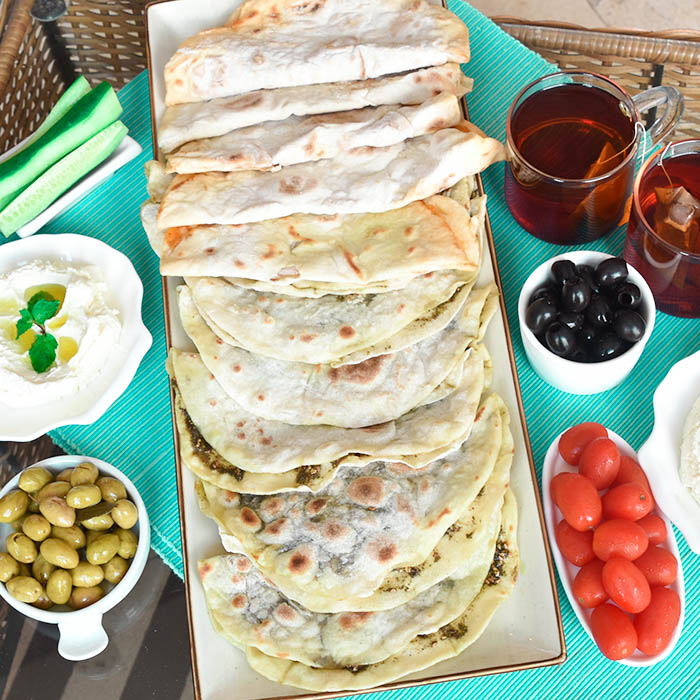


Meshtah is a traditional regional flatbread native to South Lebanon, and for me, it brings back the most blissful memories of Ramadan, especially those cherished moments around the Suhoor table!
I can still picture the Tabbal, the traditional drummer who would stroll through the streets of Beirut in the middle of the night, beating his drum and calling out, “Ya Nayem Wahed Eldayem!” to wake people up for prayers and Suhoor. Oh, how I miss those days, and how I miss our family gatherings around the Suhoor table!
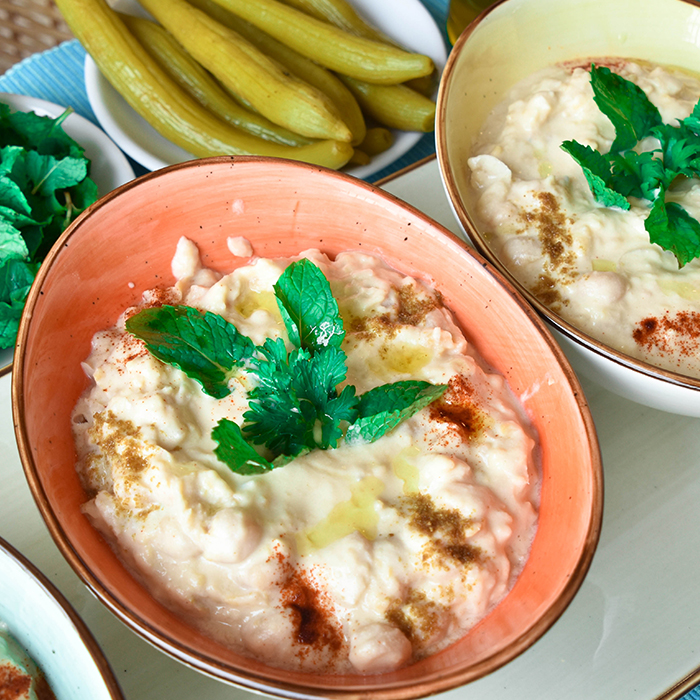
Our Suhoor table was filled with delicious flavors and enticing aromas: manakeesh, foul, fried eggs, cheese, labneh, olives, fresh fruit, and steaming cups of tea. And among all these wonderful delicacies, there was always meshtah, that beloved flatbread that holds such a special place in my memories.
A warm, freshly baked Lebanese meshtah, straight from the oven, dipped into creamy labneh and enjoyed alongside a cup of tea, was simply heavenly! It was one of those simple pleasures that made Ramadan nights with family so special, and a taste that still takes me back to those beautiful days.

Frequently Asked Questions (FAQ)
What is Meshtah?
Meshtah is a traditional Lebanese flatbread native to South Lebanon. It is a soft, yeast-raised dough delicately scented with anise seeds, glazed with a light flour wash, and generously topped with sesame seeds. It is traditionally shaped into long ovals and served warm.
What is the difference between jreesh and bulgur?
While both are made from the same wheat grain, they are processed differently. Jreesh is raw cracked wheat that has been sun-dried and crushed between stones without being cooked. Bulgur, on the other hand, is parboiled (boiled and dried) before it is cracked into smaller pieces.
Can I substitute bulgur for jreesh in this recipe?
Yes, fine bulgur makes an excellent substitute if traditional South Lebanese jreesh is not available. However, because bulgur is already parboiled, it only needs to be soaked for 30 minutes, whereas raw jreesh needs to be soaked for up to 5 hours to soften properly.
When is Meshtah traditionally eaten?
While it can be enjoyed year-round for breakfast, Meshtah holds a deeply cherished place on the traditional Ramadan table. It is most famously served during Suhoor (the pre-dawn meal) alongside hot tea, labneh, olives, and spreadable cheeses to sustain those fasting throughout the day.
How do you store and reheat Lebanese Meshtah?
Store cooled Meshtah flatbreads in an airtight plastic bag at room temperature for up to 2 days, or freeze them for up to 3 months. To serve, simply reheat them in a preheated oven at 350°F (175°C) for a few minutes or pop them in a toaster until warm and soft.

More Lebanese Bread Recipes to Try at Home
- Lebanese Pita Bread
- Kaak al Asreya
- North Lebanese Flat Kaak
- Lebanese Manakish with 4 Toppings
- Manakish in a Skillet
- Vegetable Manakish
 Let’s Stay in Touch!
Facebook, Instagram, YouTube , Pinterest and TikTok!

Meshtah
Description
Ingredients
For the Dough
- 2 cups all-purpose flour
- ¼ cup canola oil
- 1 tablespoon active dry yeast
- 2 tablespoons jreesh fine bulgur, soaked in ¼ cup water
- ¾ to 1 cup warm whole milk
- 1 teaspoon salt
- 1 tablespoon sugar
- 1½ tablespoons anise seeds
For the Glaze
- 1 cup water
- 2 tablespoons all-purpose flour
- 2 tablespoons olive oil
- A pinch of salt
For the Topping
- Sesame seeds as needed for generous coverage
Instructions
- Soak the jreesh: Soak the jreesh in ¼ cup of water for 5 hours and drain. If using bulgur, soak for 30 minutes, squeeze, and drain.
- Check the yeast: First off, remember to check out the expiration date on the package of yeast.
- Mix dry ingredients: In a large bowl, mix the flour, yeast, sugar, salt, anise seed, and jreesh/bulgur.
- Form the dough: Add the warm milk and oil. Mix thoroughly to obtain a malleable dough. (You may need more or less milk than called for; the amount of moisture in the flour determines how much more you need to add.)
- Let it rise: Cover with a kitchen towel and set aside in a warm place for 2 hours or until the dough doubles in size.
- Prepare the glaze: Meanwhile, prepare the glaze. Combine the water, flour, olive oil, and salt in a saucepan. Whisk well and bring to a boil, stirring until the mixture thickens to the consistency of heavy cream. Remove from the heat and set aside.
- Shape the portions: Divide the dough into 8 equal portions and shape them into balls.
- Roll the dough: Lightly flour your work surface and flatten each ball with a rolling pin into an oval about 1 inch (2.5 cm) thick and 6 inches (15 cm) long.
- Second rest: Transfer the flattened dough portions to a lightly greased baking sheet. Cover and let them rest for 40 minutes to rise slightly.
- Glaze and decorate: Just before baking, use your fingertips to dimple the surface of each meshtah all over. Gently brush each one with the prepared glaze, then generously sprinkle with sesame seeds.
- Bake: Bake in a preheated oven at 400°F (200°C) until lightly golden.
- Serve: Serve warm with a cup of tea and labneh or your favorite spreadable cheese. These traditional South Lebanese flatbreads make a wonderful suhoor or breakfast treat. Happy eating!
Notes
Note:
Both bulgur and jreesh are made from the same wheat grain, but they differ in how they are processed. Traditionally, in South Lebanon, farmers spread freshly harvested wheat kernels in thin layers and leave them to dry in the sun. The dried grains are then cracked between stones to produce jreesh. Bulgur, on the other hand, is made by parboiling the wheat, drying it, and then cracking it into smaller pieces. In other words, jreesh is cracked wheat that has not been parboiled, unlike bulgur.