


Our step-by-step homemade sujuk recipe is here for you when you’re looking for a simplified version. It’s a fun project! At its core, sujuk is a heavily spiced, garlicky, air-dried cured sausage from the Middle East and Balkan countries. It can be made with either beef or lamb. Watch the detailed video tutorial below.
Making your own sujuk is a great way to achieve an incomparable result, since you know exactly what goes into it, unlike store-bought varieties. It also allows you to season it according to your personal preference. Good sujuk is all about balance: balancing the seasoning and finding the right balance between meat and fat.
Making sujuk at home has often been considered a tiresome job, so most folks would buy their sujuk from the butcher. But I’m here to tell you that it’s an art that really isn’t as difficult as it sounds, especially with our simplified version.
What Meat to Use for Homemade Sujuk?
Use high-quality lamb—I recommend lamb shoulder—or beef shoulder. I like my sujuk with about 30% fat, but you can go as high as 40%.
For this recipe, I bought 1 kg of lamb shoulder from my local butcher and asked him to mince it for me.
Can We Make Lebanese Sujuk Without Casings?
Traditionally, sujuk is stuffed into beef or sheep casings, air-dried for about two days, and hung in a place away from direct sunlight. It can then be used in a variety of dishes.
This is a simplified homemade version that requires no special equipment. Since stuffing the meat into casings is the most tedious part, I skip that step altogether.
We are not curing the meat, nor are we using sheep casings. Instead, simply mix the meat with salt, garlic, and spices, then leave it uncovered on a sheet pan in the refrigerator for 24 hours. This helps considerably dry out the mixture, allowing it to eventually become firm enough to hold together. Give it a quick stir every five hours or so.
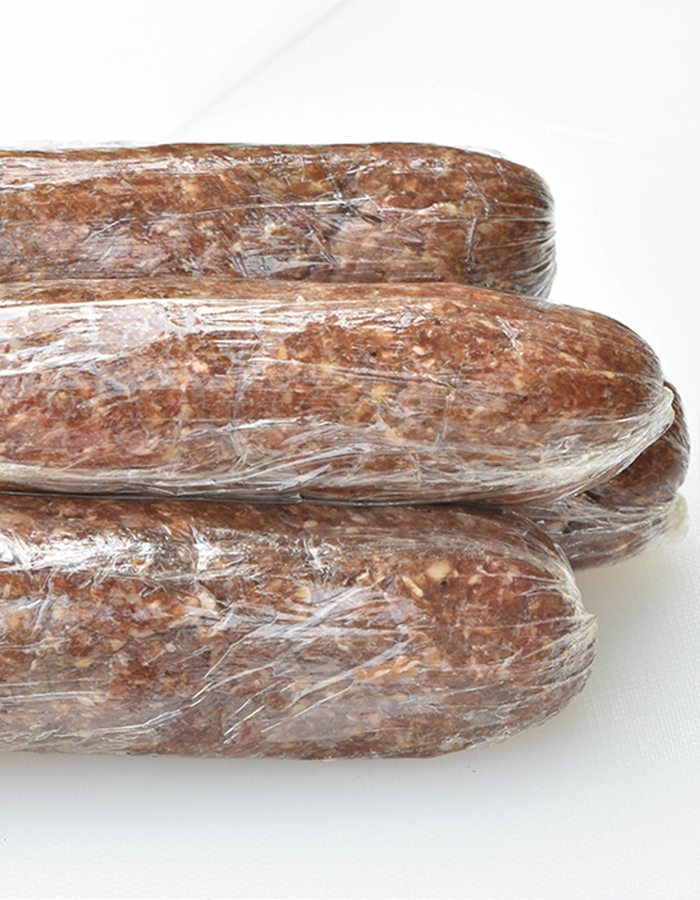
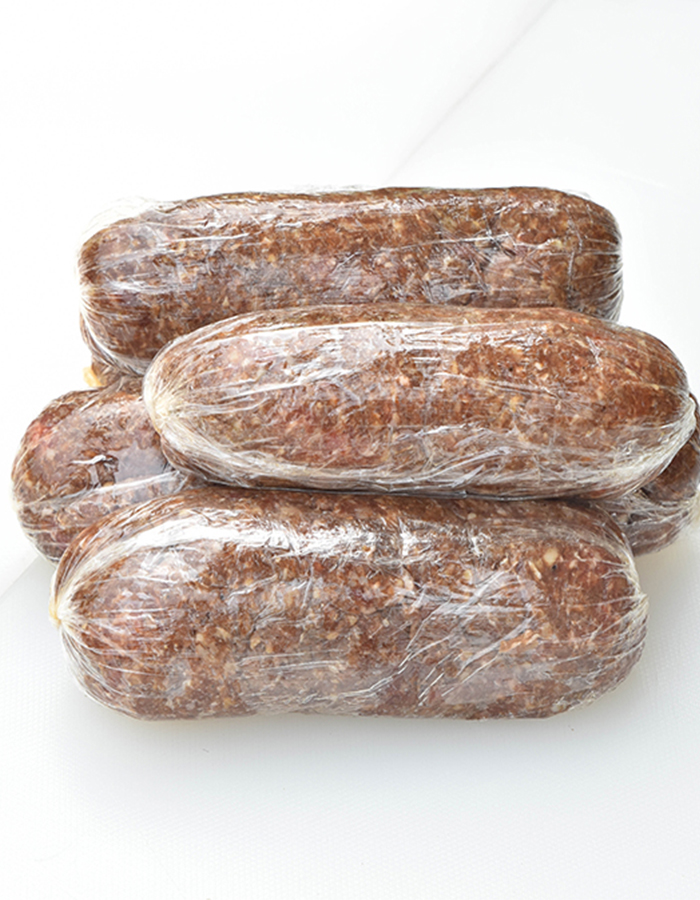
Once the mixture has dried and firmed up, shape it into sausage-like portions, wrap them in plastic wrap, and freeze them. It’s a very convenient way to make homemade sujuk.
How to Test the Seasoning of Sujuk
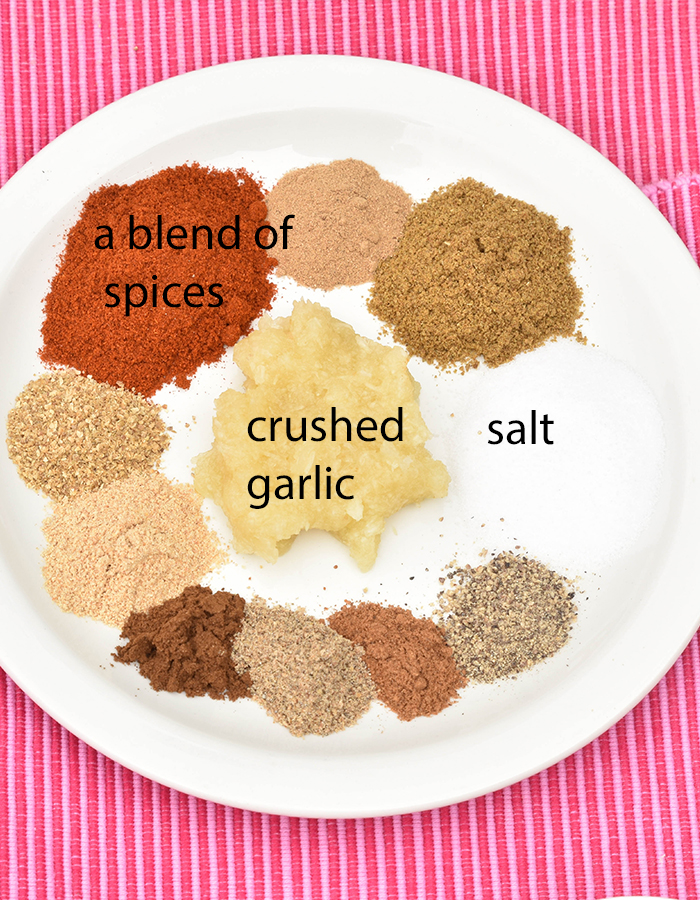
Making sujuk requires a good nose and good taste buds! I have provided the seasoning combination I used: cumin powder, black pepper, ginger powder, paprika, coriander powder, fenugreek powder, grated nutmeg, clove powder, cardamom powder, and salt.
The end result was incredibly satisfying, but the spice mixture is completely adaptable to your taste. Feel free to add or adjust spices as you like.
To test the seasoning before shaping the entire batch, take a walnut-sized piece of the mixture and cook it. Taste it and adjust the salt, pepper, or other seasonings as needed.
How to Shape Sujuk Without Casings
Divide the meat mixture into five equal portions.
Take one portion and shape it into a sausage about 2 inches in diameter. Place it along the near edge of a sheet of plastic wrap.
Roll the sausage away from you, enclosing it in the plastic wrap. Roll it tightly, smoothing and shaping the sausage as you go. Twist the ends tightly several times to compact the meat and secure the wrap.
Place the wrapped sujuk on a tray, with the twisted ends tucked underneath, and freeze. Repeat with the remaining four portions.
Once the sujuk is completely firm, transfer the wrapped sausages to a plastic freezer bag. Label and date the bag, and store them in the freezer until needed. The sujuk can be frozen for up to three months.
I have shared several ways to use sujuk above. If you have other favorite ways to use it, share them with us in the comments. And don’t forget to watch the detailed video tutorial.
Tips for Making Sujuk
-
Use a proper amount of fat—at least 30%. I have yet to meet a low-fat sujuk that is truly delicious.
-
Don’t use old spices. Fresh spices make a noticeable difference in the final flavor.
-
Use fresh garlic, and avoid garlic cloves that have started to develop green sprouts.
-
Refrigerating the seasoned raw meat uncovered for 24 hours helps dry out the mixture. This is exactly what we’re looking for before shaping the sujuk.
Ways to Eat Sujuk
As a Pizza Topping
Slice the frozen sujuk and add it to your pizza. Treat it just like you would pepperoni.
Sujuk Sandwiches
Make delicious sujuk sandwiches with tomato slices and cheese.
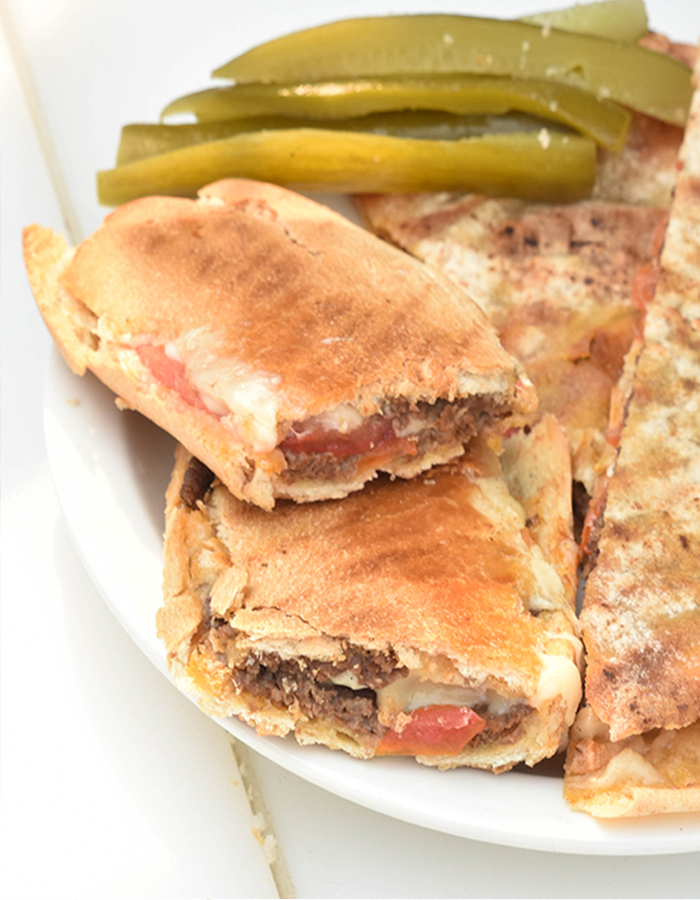
Pita Pocket Sujuk
This sandwich takes me back to lazy afternoons when my mom would make a big batch of sujuk sandwiches for a quick lunch or dinner. These were always my favorite!
To make pita pocket sujuk, you’ll need Lebanese bread or pita bread that can be separated and opened to stuff the sujuk inside.
Defrost the sujuk and spread a thin layer over the inside of the bread, using the back of a spoon to spread it evenly all over.
Heat your panini press and lightly brush the griddle with oil. Set it to a low heat, about 200°F. Transfer the stuffed bread to the heated panini press and grill for about 10 minutes, or until the meat is cooked through. Check periodically to make sure it doesn’t burn.
Carefully pull the pita open and add thin slices of tomato and a few slices of cheese, according to your liking. Close the bread, return it to the panini press, and raise the heat. Grill until you hear the cheese sizzling against the grates—that’s a sure sign it has melted.
Enjoy warm!
You can also use a baguette. Simply hollow out the bread and stuff it with a thin layer of sujuk, then follow the same cooking method as you would for the pita pocket sujuk.
Pinwheel Sujuk
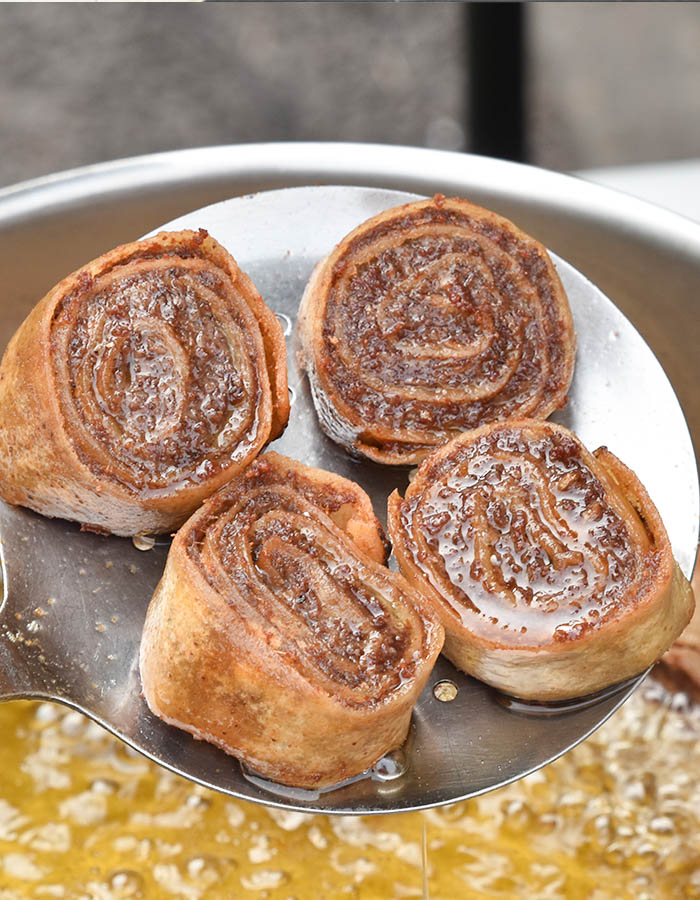
Separate a large pita bread into two halves. Using one half, spread a thin, even layer of thawed sujuk over the entire surface. Roll the pita and sujuk tightly into a log.
Using a bread knife, cut the roll into 2-inch pieces.
For the fried version, heat oil to a suitable frying temperature and deep-fry the rolls until golden and crisp.
Alternatively, for a healthier preparation, brush a baking sheet with oil or ghee and arrange the sujuk rolls on it. Brush the tops with a little ghee or olive oil and bake in a preheated oven at 200°C / 400°F for approximately 12–15 minutes, or until golden and cooked through.
Serve as an appetizer with hummus.
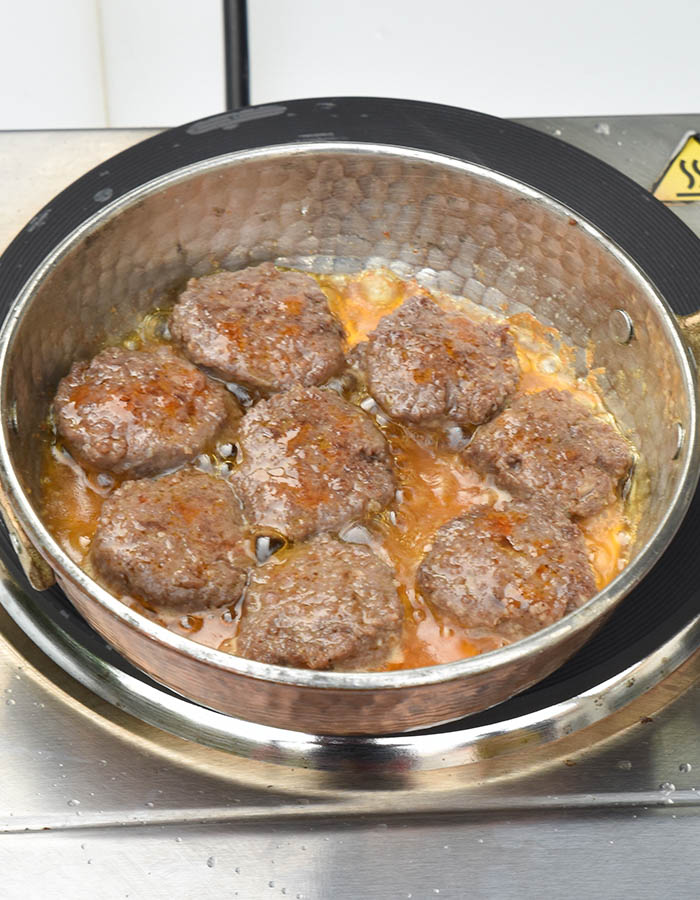
Sliced Sujuk with Olive Oil and Butter
Remove the sujuk from the freezer, unwrap it, and place it on a cutting board. Cut it diagonally into slices about 1 inch thick.
Heat the olive oil and butter in a skillet over medium heat. Add the sliced sujuk, making sure not to overcrowd the pan. Cook until well browned on both sides.
Serve with fresh bread or alongside fried eggs.
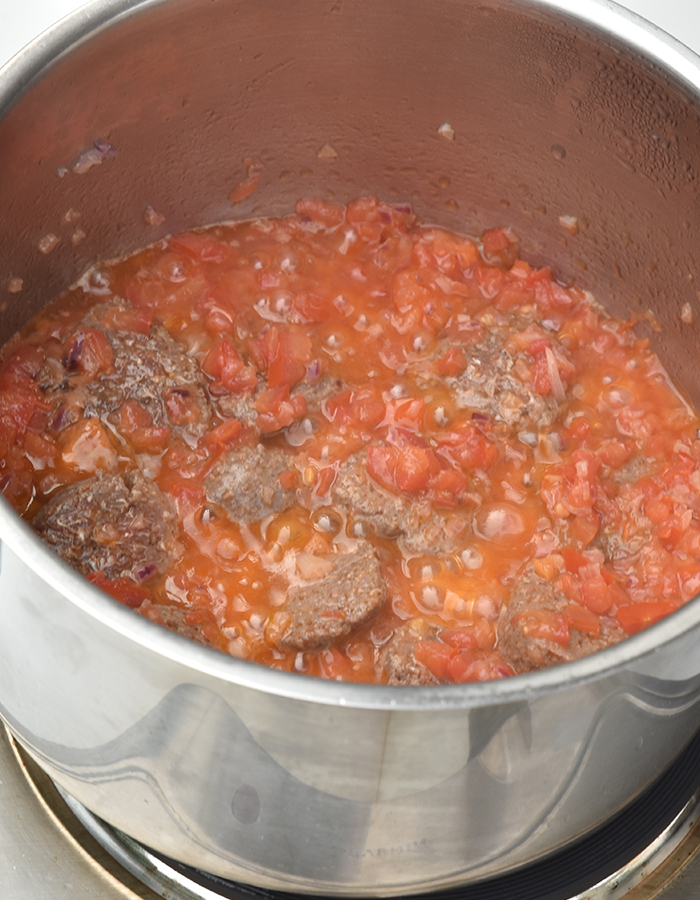
Sujuk Ragu
Remove the sujuk from the freezer and slice it into 1-inch-thick pieces. Heat a drizzle of sunflower oil in a pot, add the onion with a pinch of salt, and cook until softened. Add the sliced sujuk and some fresh diced tomatoes, then bring everything to a boil.
Reduce the heat to low, cover, and cook until the tomatoes are stewed and the sauce has thickened. Serve with Lebanese bread or pita.
By the way, you can also use sujuk in your Bolognese sauce instead of minced meat. It will take your Bolognese to another level!
More Lebanese Meat Recipes
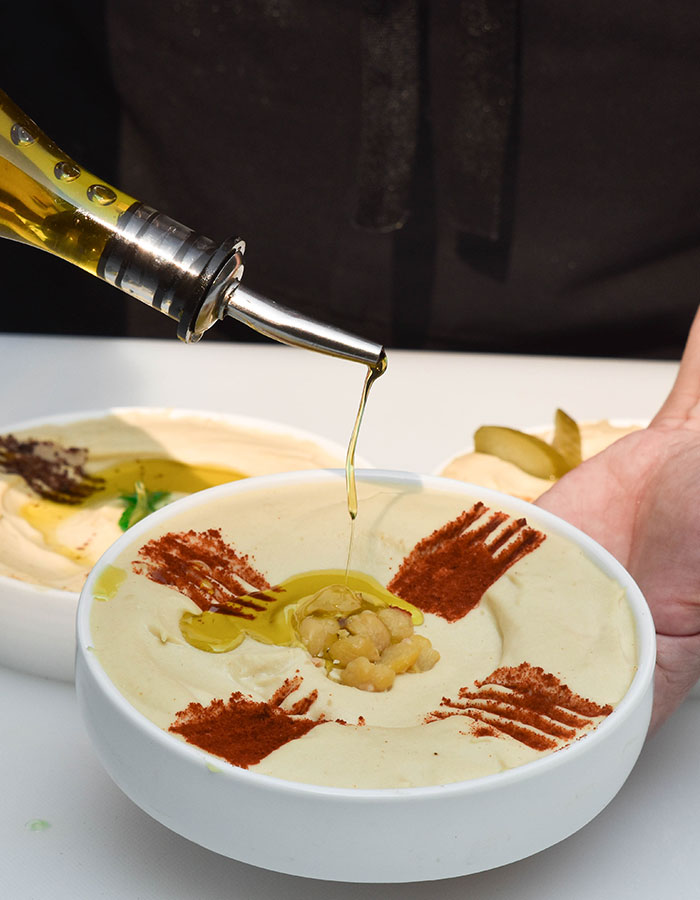
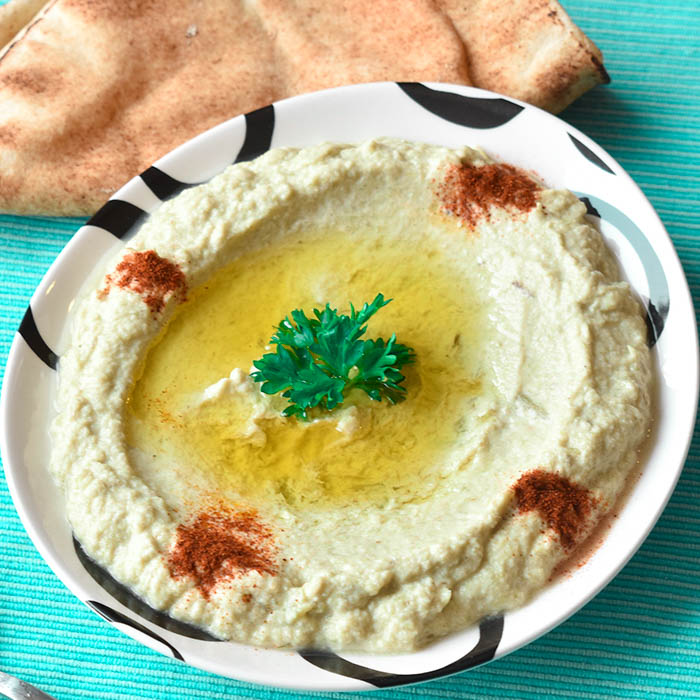
Sujuk and hummus are soulmates! Calling all hummus lovers—here’s a restaurant-style recipe you’re going to love.
 Let’s Stay in Touch!
Facebook, Instagram, YouTube , Pinterest and TikTok!
Description
Ingredients
- 1 kg / 2 lb 4 oz minced lamb shoulder with 30% fat (beef can be used as well)
- 8 large garlic cloves crushed
- 1 level tablespoon salt
- 1 teaspoon ground cumin
- 1 teaspoon black pepper
- 1/2 teaspoon ground ginger
- 2 teaspoons paprika
- 1/2 teaspoon ground coriander
- 1/2 teaspoon fenugreek powder — an essential ingredient in sujuk
- 1/4 teaspoon grated nutmeg
- 1/4 teaspoon ground cloves
- 1/4 teaspoon ground cardamom
- 1/2 teaspoon cayenne pepper — optional; you can omit it
- 2 tablespoons olive oil
Instructions
- In a large bowl, combine the minced meat, salt, garlic, cumin, black pepper, ginger powder, paprika, coriander powder, fenugreek powder, grated nutmeg, clove powder, cardamom powder, and oil. Mix thoroughly to ensure all the seasonings are evenly incorporated.Transfer the seasoned meat to a rimmed sheet pan and spread it into a thin, even layer. Place the sheet pan, uncovered, on a shelf by itself in the refrigerator to prevent the meat from absorbing or transferring flavors to other foods. Refrigerate uncovered for 24 hours, giving the meat a quick stir every 5 hours.Keeping the meat uncovered will allow excess moisture to evaporate and help the meat dry out, which is exactly what we want.
- Divide the meat into 5 equal portions. Transfer one portion to a sheet of plastic wrap. Shape the meat into a single sausage about 2 inches in diameter, placing it along the near edge of the plastic wrap. Roll the sujuk away from you, enclosing it in the wrap. Roll it tightly, smoothing and shaping it as you go.
- Twist the ends tightly, repeating this several times to secure the wrap. Then, place the wrapped sujuk, with the ends tucked underneath, on a tray and freeze. Repeat with the remaining four pieces.Once the sujuk has solidified, place the wrapped pieces in a plastic bag. Label and date the bag, then store it in the freezer until needed. The sujuk can be frozen for up to 3 months.I have shared different ways to use sujuk above. If you have other ideas or ways to enjoy sujuk, share them with us in the comments section.Watch the detailed video tutorial for step-by-step instructions.
Video
Notes
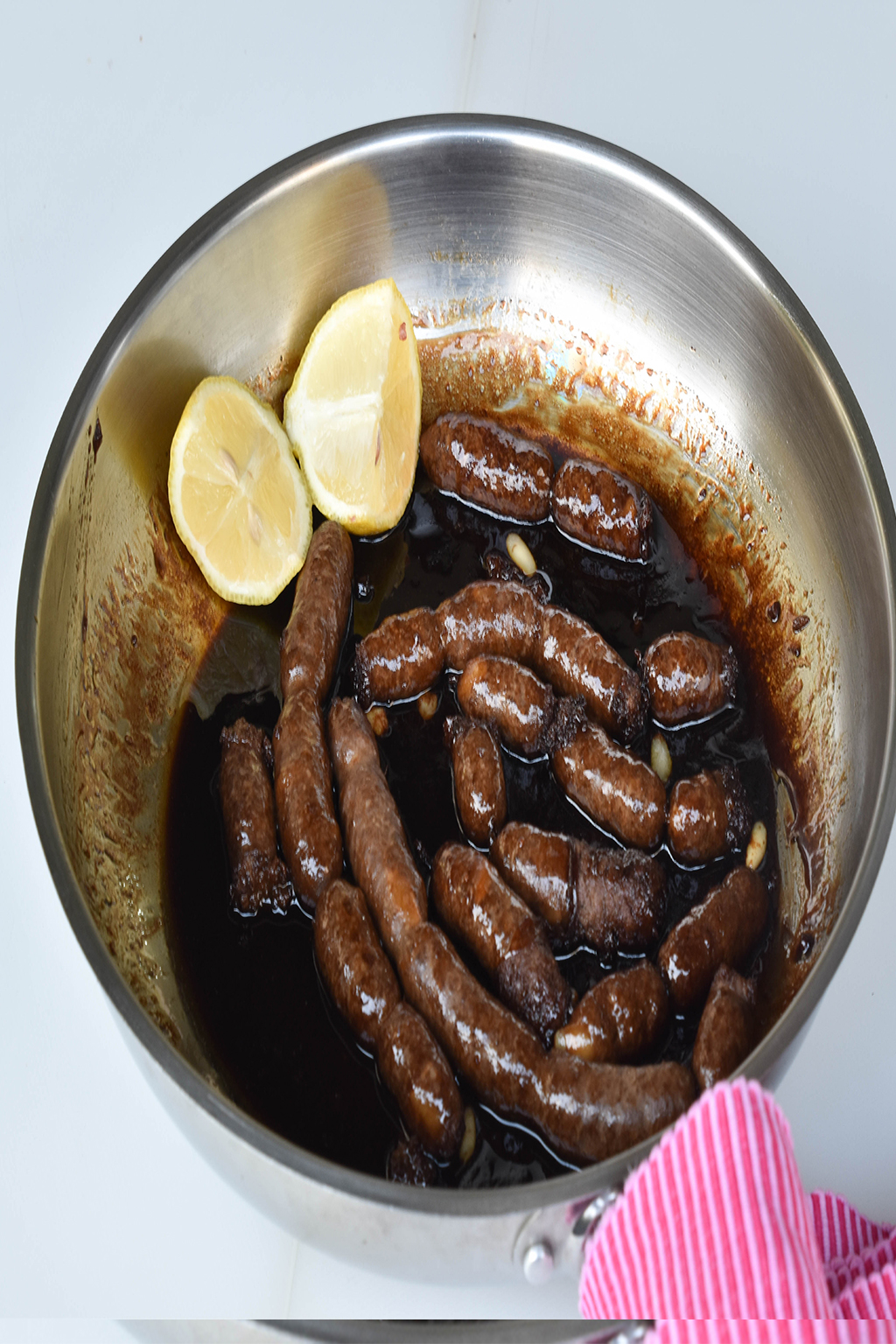
Looking for a homemade makanek recipe from scratch? We’ve got you covered.





















4 Comments
I really like how easy you’ve made this homemade sujuk to prepare at home. Your spice blend is absolutely perfect and your easy step by step instructions are so helpful.
Excellent work so clear and so easy to follow details down to the last spec.
Thank you so much, Charles. I am happy you liked, xoxo.