



Hands down, Lebanese Cauliflower Stew is one of my all-time favorite stew recipes! This comforting, hearty Lebanese dish is a true taste of home. I’m not sure the rest of the world fully understands just how much we Lebanese love our stews. We take them seriously, and for good reason! Stews are a staple in many Lebanese households, often served for dinner because they’re delicious, satisfying, and perfect for sharing with the family.
Growing up, Lebanese cauliflower stew was a regular feature on our family dinner table, at least once a month. It’s one of those traditional Lebanese recipes that brings back memories of home-cooked meals and gathering around the table with loved ones. If you love cauliflower, you’re going to adore this comforting Lebanese stew!

The Star Ingredient: Fried Cauliflower and Its Health Benefits
The star of this Lebanese cauliflower stew is, of course, the fried cauliflower! Did you know that cauliflower is an excellent source of vitamins C and K and a good source of fiber and folate? It also provides antioxidants that support overall health and immune function.

The Secret to the Stew’s Rich Flavor: Tender Meat, Garlic, and Fresh Cilantro
The rich, meaty flavor in every bite comes from the savory meat broth, which brings the entire stew together with tender, fall-apart pieces of meat. Garlic and fresh coriander (cilantro) are the secret flavor combination that gives this Lebanese cauliflower stew its distinctive, aromatic taste! Even if you’re not a big fan of garlic or cilantro, don’t skip them. They brighten the flavors, add depth, and truly take this comforting stew to the next level!

The Secret Flavor Boost: Sautéed Garlic and Fresh Cilantro
Sautéed garlic and fresh coriander (cilantro) are the secret ingredients that boost the flavor of many traditional Lebanese stews. This aromatic combination enhances and deepens all the delicious flavors simmering in the pot. You’ll be amazed at how much this simple sautéed mixture transforms your stew, adding a wonderful depth of flavor and an irresistible aroma.

Even Better the Next Day: Storing and Enjoying Leftovers
This Lebanese cauliflower stew is delicious the day it’s made, but it tastes even better as leftovers the next day or two! The cauliflower florets soak up all the rich, savory flavors of the broth, making every bite even more delicious.

Worth the Wait: Tender, Fall-Off-the-Bone Meat and Rich Flavor
This stew takes a little time to cook, but trust me, it’s well worth the effort! The meat simmers slowly until it’s perfectly tender and practically falling off the bone, creating a rich, flavorful broth that makes this Lebanese cauliflower stew truly irresistible.

What to Serve with Lebanese Cauliflower Stew
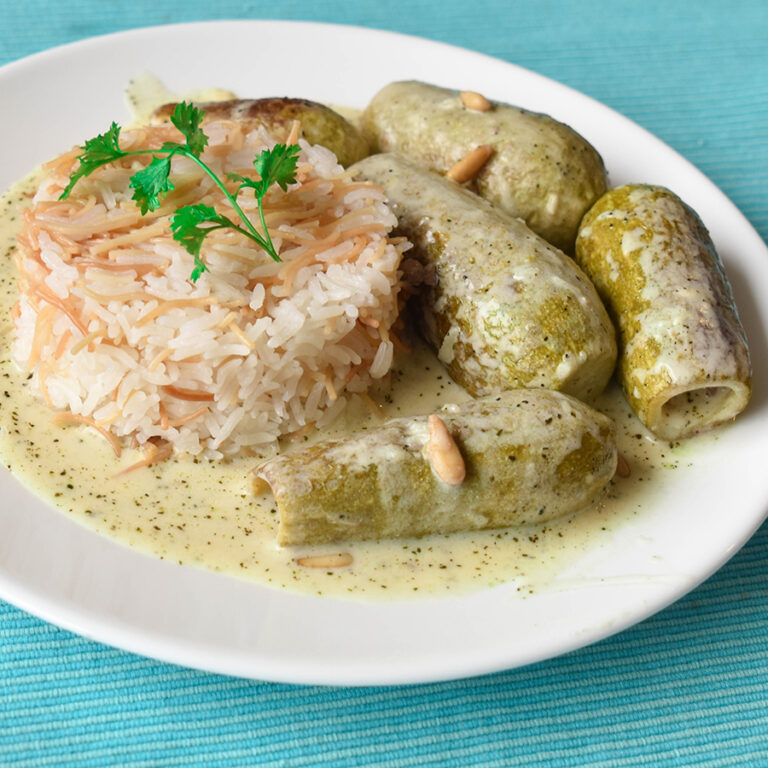
Like most traditional Lebanese stews, this Lebanese cauliflower stew pairs perfectly with Lebanese rice with vermicelli, but it’s equally delicious served with plain rice. Both make the perfect accompaniment to soak up every last drop of the flavorful broth!

Lebanese Cauliflower Stew: Frequently Asked Questions
Have questions about making Lebanese cauliflower stew? From choosing the best cut of meat to knowing when to add lemon juice, these frequently asked questions will help you prepare a flavorful, comforting Lebanese stew every time. You’ll also find tips for making this traditional cauliflower stew keto-friendly, low-carb, or gluten-free, along with suggestions for serving it.
What Is the Best Meat for Lebanese Cauliflower Stew?
I prefer using lamb shanks to make Lebanese cauliflower stew, but oxtail is another excellent option if available. Both cuts contain connective tissue and fat that contribute to a rich, flavorful broth. When slow-cooked, the meat becomes wonderfully tender and practically falls off the bone, making the stew even more delicious.
When Should You Add Lemon Juice to Cauliflower Stew?
Lemon juice makes Lebanese cauliflower stew even more delicious by adding a bright, tangy flavor that balances the richness of the meat and broth. For the best results, add the lemon juice toward the end of cooking rather than at the beginning to preserve its fresh, vibrant flavor.
Start with the juice of one lemon, taste the stew, and add more gradually until you reach your preferred level of acidity. If you love lemon, feel free to add a little extra!
Is Lebanese Cauliflower Stew Keto-Friendly or Low-Carb?
Traditional Lebanese cauliflower stew is naturally relatively low in carbohydrates when served on its own, but it is commonly served with rice, which increases the carbohydrate content of the meal. To make it more suitable for a keto or low-carb diet, serve the stew with cauliflower rice instead of regular rice. You can also enjoy it on its own, depending on your dietary needs and portion sizes.
Is Lebanese Cauliflower Stew Gluten-Free?
Yes! Lebanese cauliflower stew is naturally gluten-free when prepared with gluten-free ingredients, including the meat broth and seasonings. Serve it with plain rice for a delicious gluten-free meal. However, traditional Lebanese rice with vermicelli contains wheat-based vermicelli and is therefore not gluten-free. If you have celiac disease or a gluten intolerance, check all ingredient labels and ensure there is no cross-contamination.

Love comforting Lebanese cauliflower stew? Explore more authentic Lebanese recipes, including traditional Middle Eastern meat and vegetable stews, stuffed vegetables, and classic rice dishes that bring home-style Levantine flavor to your table.
Discover these traditional Lebanese recipes and bring more authentic Middle Eastern flavors to your family table!
 Let’s Stay in Touch!
Facebook, Instagram, YouTube , Pinterest and TikTok!
Lebanese Cauliflower Stew (Yakhnet Arnabeet)
Description
Ingredients
- 600 g 1 lb 5 oz lamb shanks, oxtail, or lamb neck
- 2 large heads of cauliflower about 2 kg total, broken into large florets with the stems attached; discard any remaining leaves.
- 1 large head of garlic crushed
- 1 bunch of fresh coriander stems removed, washed, drained, and chopped (about 1 cup chopped)
- 9 cups water
- ¼ cup sunflower oil for sautéing the coriander and garlic
- 4 cups sunflower oil for frying the cauliflower florets
- Salt to taste
- Juice of 1 large lemon
For the Meat Stock
- 1 onion
- 2 bay leaves
- 1 cinnamon stick
- 2 cardamom pods
Instructions
- Cook the meat: Rinse the meat and drain well. Place it in a large pot, add 9 cups of water, and bring to a boil over high heat. Skim off the scum as it rises to the surface. Once the water reaches a boil, add the onion, cardamom pods, cinnamon stick, and bay leaves. Cover the pot, reduce the heat to low, and simmer for about 2 hours, or until the meat is fully cooked and tender.
- Strain the broth: Remove the meat from the pot and strain the broth. Set the meat aside on a plate to cool, then shred it into bite-sized pieces.
- Fry the cauliflower: Working in batches, heat the sunflower oil in a deep frying pan over medium-high heat. Fry the cauliflower florets on both sides until lightly golden. Remove them with a slotted spoon and drain on paper towels.
- Prepare the meat broth: Return the strained broth and shredded meat to a large pot and bring to a boil.
- Sauté the garlic and coriander: Meanwhile, combine the crushed garlic and chopped coriander in a skillet with ¼ cup of sunflower oil. Sauté for a few seconds, just until the coriander begins to wilt and the mixture releases its fragrant aroma. Be careful not to burn the garlic. Add the garlic and coriander mixture to the pot with the meat and broth. Reduce the heat to low, cover, and simmer for about 10 minutes to allow the flavors to blend.
- Add the cauliflower: Gently arrange the fried cauliflower florets in the pot. Season with salt to taste and bring to a gentle simmer. Cook for about 20 minutes, or until the cauliflower is tender but still holds its shape. Avoid stirring or shaking the pot too much, as this may cause the florets to break apart.
- Add the lemon juice: Stir in the freshly squeezed lemon juice and simmer for another 2 minutes. Remove from the heat and serve hot with Lebanese rice and vermicelli or plain rice.
- Sahtein! Enjoy your meal!





















5 Comments
Hadia, this is utterly mouthwatering! I love comforting dishes like this!
My family would love this, especially with lamb! Now if it would only cool down enough to make stew 🙂
Cauliflower is just so versatile. I am excited to try this stew!!
I could eat this every night when the temps start dropping here! Total comfort food for the win!
I love how flavorful it looks!! Yummy!