

One of the simplest and most delicious ways to enjoy fresh grape leaves is to stuff them with creamy goat milk labneh or spreadable chèvre cheese. These labneh stuffed grape leaves preserved in olive oil are a beautiful addition to any Middle Eastern mezze platter, offering a delightful combination of tender grape leaves, tangy goat cheese, and rich extra virgin olive oil.
What makes this recipe especially appealing is its simplicity. There is no need to boil or blanch the fresh grape leaves! Simply select tender grape leaves, fill them with creamy goat labneh, arrange them in a clean jar, and cover them with high-quality extra virgin olive oil. The result is an elegant, flavorful appetizer that brings a taste of traditional Middle Eastern food to your table.
Whether served as part of a Lebanese mezze spread, alongside olives and fresh vegetables, or with warm pita bread, these goat cheese stuffed grape leaves are a delicious way to enjoy fresh seasonal ingredients. Their vibrant appearance and rich, tangy flavor make them a lovely homemade treat for sharing with family and friends.
For food safety, keep the prepared grape leaves refrigerated and follow a tested preservation method if you intend to store them for an extended period. Olive oil alone does not make fresh labneh-stuffed grape leaves safe for room-temperature storage.
Labneh Stuffed Grape Leaves Preserved in Oil
How to Choose Fresh Grape Leaves for Stuffing with Labneh
This recipe calls for freshly picked, tender grape leaves, making it perfect if you are lucky enough to have a grapevine in your backyard—or a generous neighbor willing to share theirs! For the best results, avoid store-bought grape leaves preserved in brine. Instead, choose young, tender leaves that are whole, fresh, and free of holes or damage.
How to Preserve Fresh Vine Leaves Without Boiling (For This Recipe Only)
Best of all, this recipe requires no cooking at all—there is no need to boil or blanch the fresh vine leaves! If you have been looking for a way to prepare fresh vine leaves without boiling them, this recipe offers a wonderfully simple approach.
In South Lebanon, my mother-in-law had a beautiful grapevine growing in her backyard. It was lush with green leaves that added a touch of drama and natural privacy to the space. Just like in many homes across the villages and mountains of Lebanon, families grow grapevines around their properties to provide cooling shade during the hot summer months while enjoying the fresh leaves and delicious fruit the vines produce.
Pro Tips for Making Labneh Stuffed Grape Leaves
- Choose Fresh, Tender Grape Leaves: The key to making delicious labneh stuffed grape leaves is selecting young, tender leaves that are fresh, whole, and free of holes or damage. For this particular recipe, avoid grape leaves preserved in brine, as their salty flavor and texture can affect the delicate taste of the cheese.
- Keep the Grape Leaves Covered in Olive Oil: Arrange the stuffed grape leaves snugly in a clean jar and cover them with extra virgin olive oil. Although keeping the leaves submerged helps limit their exposure to air, covering them with oil does not make the recipe shelf-stable or prevent all spoilage risks. Keep the jar refrigerated.
- Choose the Best Cheese for Stuffed Grape Leaves: Goat milk labneh is widely available in tubs in markets across Lebanon and has a distinctive tangy flavor. If you cannot find it, spreadable goat cheese, also known as chèvre, is an excellent alternative. Choose a creamy cheese that is easy to spread and roll inside the fresh grape leaves.
- Take Your Time When Rolling the Grape Leaves: Think of this recipe as a culinary technique as much as a traditional recipe. Rolling the grape leaves neatly may take a little patience at first, but once you get the hang of it, the process becomes much easier. Try to keep the filling evenly distributed so the finished rolls look beautiful in the jar.
- Store Labneh Stuffed Grape Leaves Safely: Because this recipe combines fresh grape leaves, moist cheese, and olive oil, store the finished jar in the refrigerator rather than in a cool, dark cupboard. Do not assume that olive oil alone preserves the cheese safely at room temperature. Follow a tested preservation method if you want to keep the jars for an extended period.
- Allow Time for the Flavors to Develop: The olive oil, grape leaves, and tangy goat cheese may develop a more harmonious flavor as they rest. However, do not leave the jar unrefrigerated for a three-week curing period. Follow a tested recipe for the appropriate refrigerated storage time, and do not assume that a longer curing period makes the mixture safer.
- Make the Most of the Leftover Olive Oil: The oil may take on some of the flavors of the grape leaves and cheese. However, because it has been in contact with fresh labneh, do not save it for later use at room temperature or assume it is safe for long-term storage. Discard it according to safe food-handling guidance.
- Make a Beautiful Homemade Food Gift: These labneh stuffed grape leaves look elegant in a glass jar and can make a thoughtful homemade gift for food lovers. Keep the jar refrigerated during storage and transport, and let the recipient know that it must remain refrigerated. A handwritten label with the ingredients and preparation date adds a lovely personal touch.
Health Benefits of Grape Leaves and Olive Oil in the Mediterranean Diet
- Nutrient-Rich Grape Leaves: Fresh grape leaves provide dietary fiber and contain vitamins, including vitamins A and K, as well as minerals such as calcium and iron. Their nutritional value makes them an interesting addition to a varied, balanced diet. The exact amounts of these nutrients depend on the serving size and how the leaves are prepared.
- The Benefits of Extra Virgin Olive Oil: The Mediterranean diet is celebrated for its emphasis on vegetables, fruits, legumes, whole grains, and healthy fats. Extra virgin olive oil is a cornerstone of this traditional way of eating, valued for its rich flavor and its monounsaturated fats and antioxidant compounds. Often called liquid gold, olive oil has been treasured for centuries and remains an important ingredient in Mediterranean cooking.
More Delicious Lebanese Grape Leaves Recipes to Try
 Let’s Stay in Touch!
Labneh Stuffed Grape Leaves Preserved in Oil
Description
Ingredients
- 200 g 7 oz fresh grape leaves, selecting only young, tender leaves
- 500 g 1 lb 2 oz goat milk labneh or spreadable chèvre cheese
- High-quality extra virgin olive oil enough to completely cover the stuffed grape leaves
Instructions
- Prepare the Grape Leaves: Wash the fresh grape leaves thoroughly under cold running water. Drain well and gently pat them dry with a clean towel.
- Prepare the Leaves for Rolling: Lay a grape leaf flat on your work surface with the veiny side facing up. Using a sharp knife or kitchen scissors, carefully trim off the stem.
- Fill with Goat Milk Labneh: Place a spoonful of goat milk labneh near the bottom of the leaf, shaping the filling horizontally into a small log.
- Fold and Roll the Grape Leaves: Fold the left and right sides of the leaf inward over the filling, then roll firmly from the bottom toward the tip to enclose the cheese.
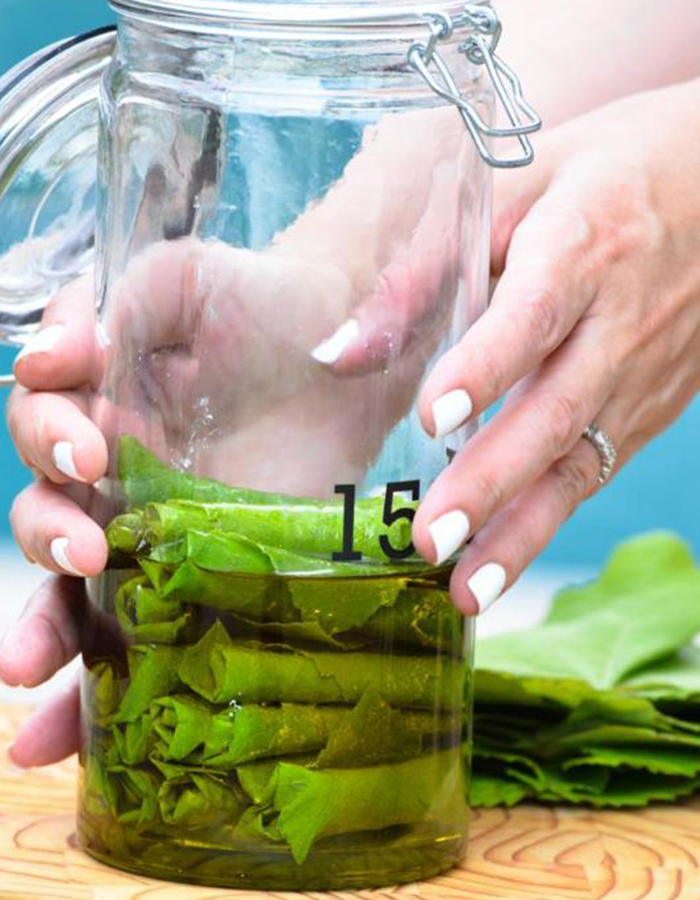
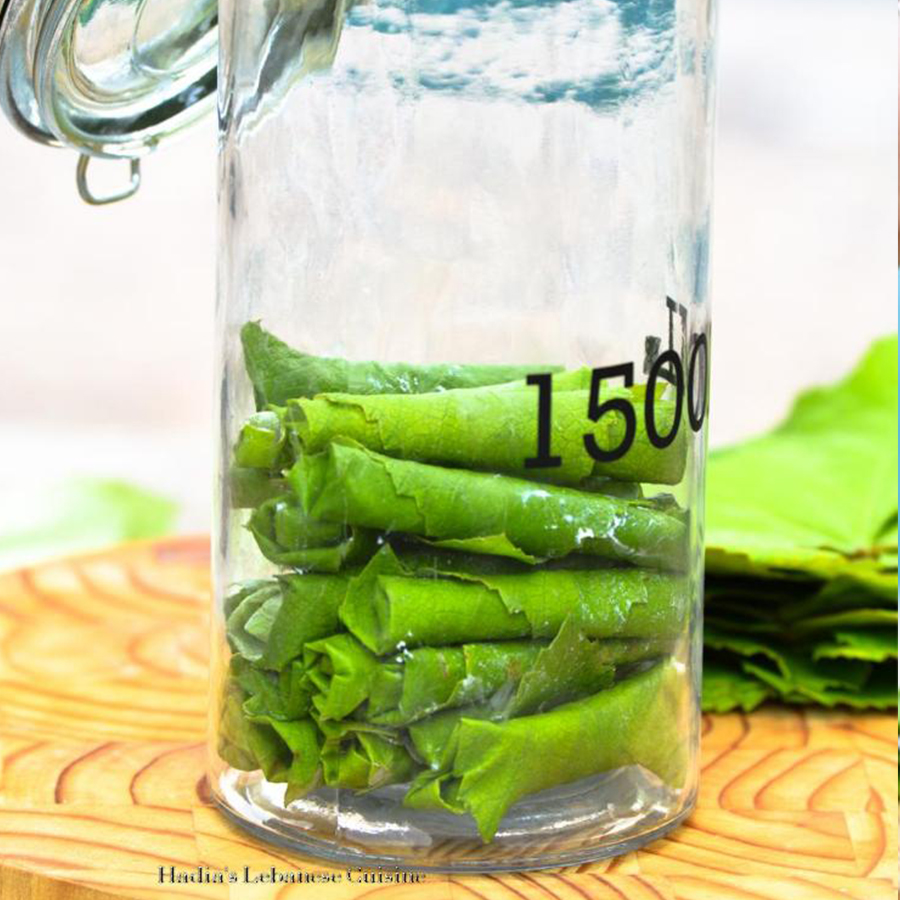
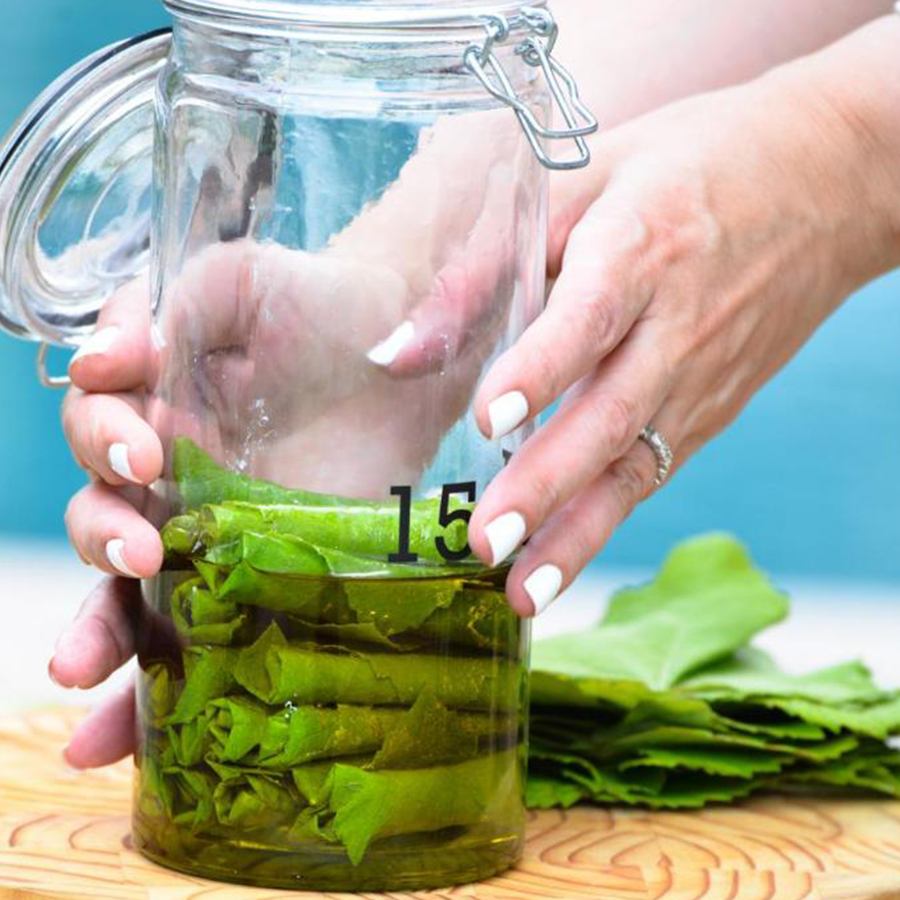
- Arrange the Stuffed Grape Leaves in a Jar: Carefully arrange the rolled grape leaves in a clean jar, placing each roll seam-side down to help prevent it from unrolling. Avoid crushing the delicate leaves.
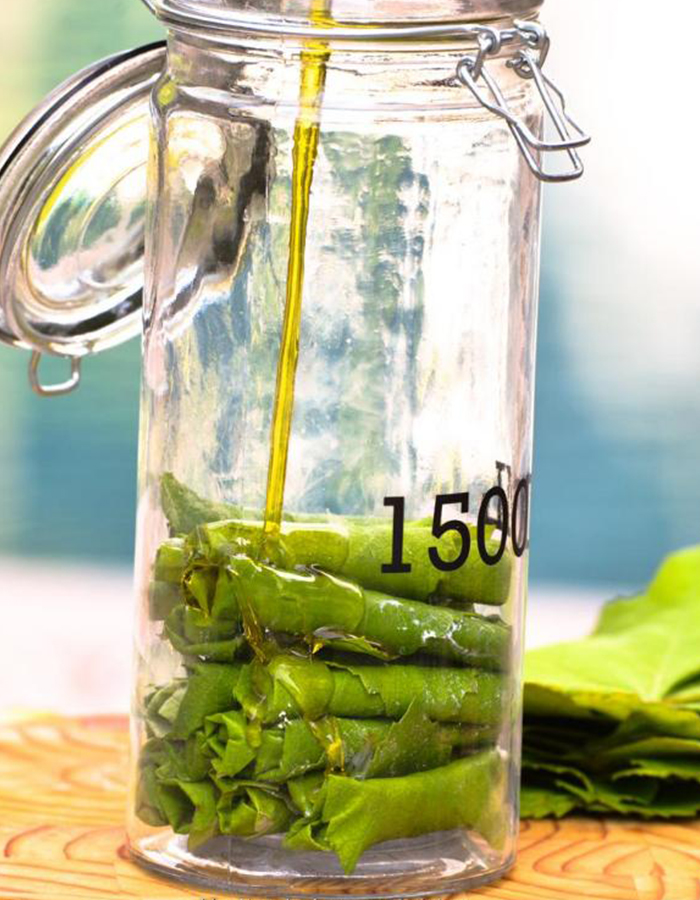
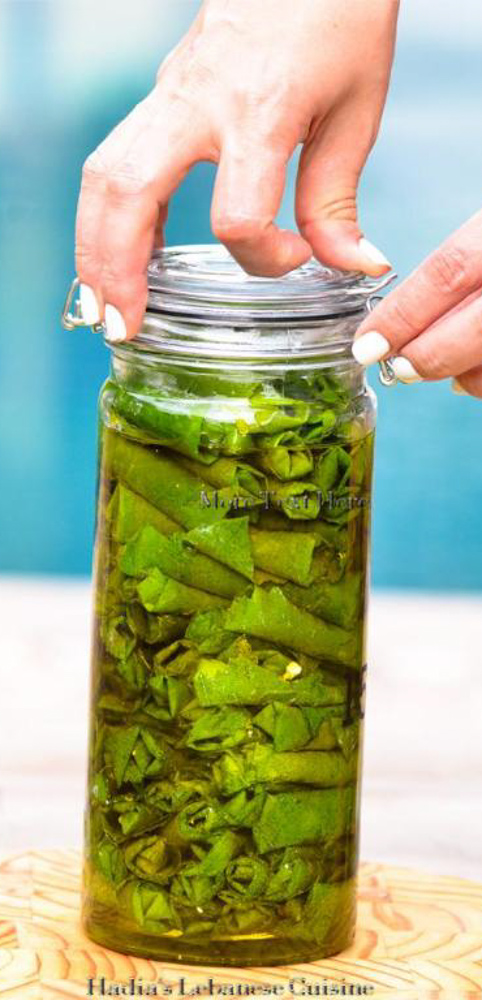
- Add the Extra Virgin Olive Oil: Pour in enough extra virgin olive oil to cover the stuffed grape leaves completely. Close the jar securely and refrigerate promptly.
- Chill Before Serving: Allow the flavors to develop in the refrigerator, following a validated food-safety recipe for the recommended storage time. Do not leave the jar at room temperature for three weeks or assume that olive oil alone makes the grape leaves safe for long-term preservation.