


Dukkah (Duqqa): An Egyptian Blend of Nuts, Seeds, and Spices
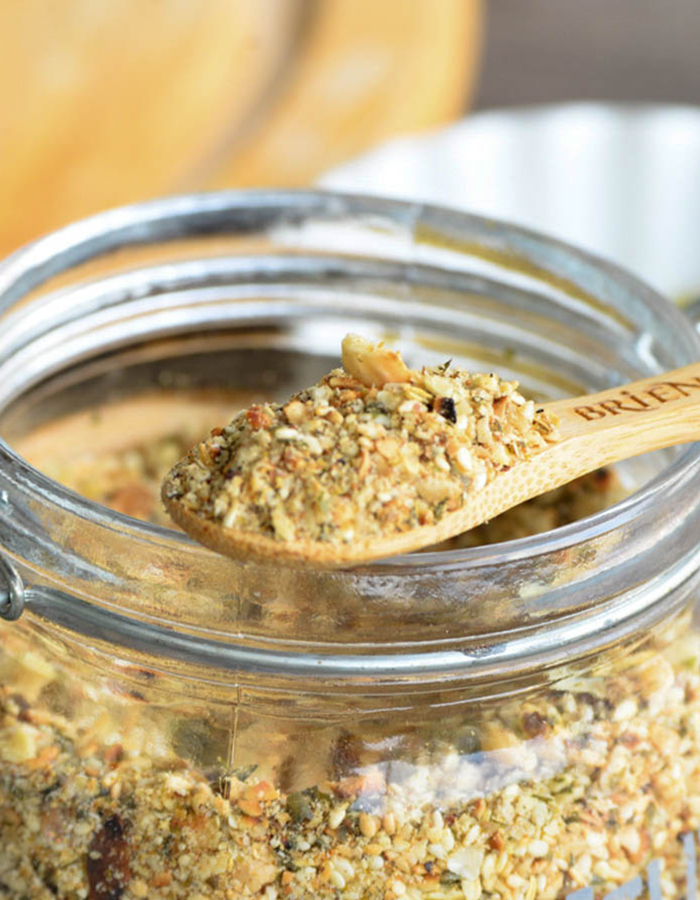
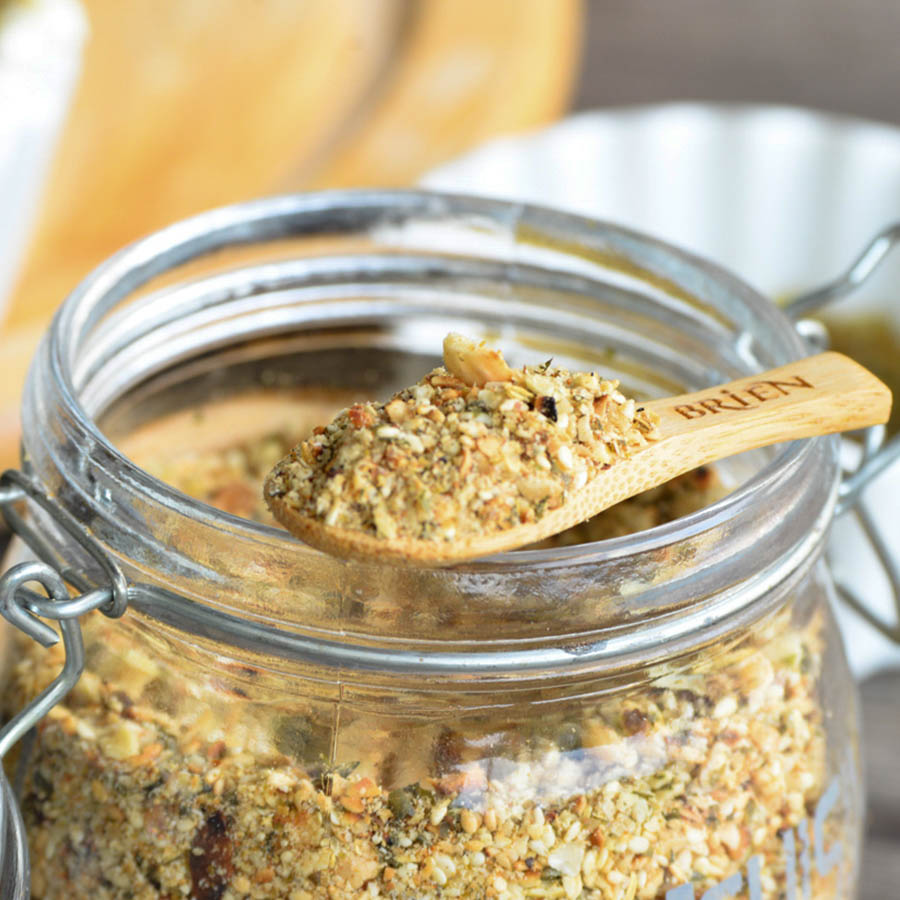
Originating in Egypt, dukkah (also spelled duqqa) is a traditional Egyptian spice blend made from a delicious combination of nuts, seeds, and aromatic spices. Known for its rich flavor, irresistible crunch, and fragrant aroma, this versatile blend offers a unique fusion of earthy, nutty, and savory notes, with every recipe bringing its own distinctive character.
The word dukkah comes from the Arabic word meaning “to crush,” referring to the traditional method of preparing the blend using a mortar and pestle. Today, a food processor makes it easy to prepare homemade dukkah in seconds, although the traditional method remains a wonderful way to enjoy its authentic texture and rustic charm.
Beyond its delicious taste, dukkah offers nutritional benefits thanks to its variety of nuts, seeds, and spices. Depending on the ingredients used, it can provide healthy fats, plant-based protein, fiber, vitamins, minerals, and antioxidants. Many of these ingredients contain antioxidant compounds that help protect cells from oxidative stress caused by free radicals.
Whether sprinkled over roasted vegetables, tossed into salads, served with fresh bread and olive oil, or used as a flavorful crust for meat and fish, Egyptian dukkah is an easy way to add crunch, aroma, and depth of flavor to everyday dishes.
What Is Dukkah Used For? Delicious Ways to Enjoy This Egyptian Spice Blend
The possibilities are endless when it comes to using dukkah! This versatile Egyptian blend of nuts, seeds, and spices is so delicious that I could happily eat it on its own. Sprinkle it over labneh, hummus, baba ghanoush, salads, roasted vegetables, scrambled eggs, or boiled eggs. You can even drizzle some olive oil over fresh, crusty bread, sprinkle it with dukkah, and serve it as a flavorful appetizer.
My lovely friend Etty told me that she enjoys dukkah with butter and bread, and I can only imagine what a treat that must be! Honestly, the sky is the limit when it comes to finding new ways to enjoy this aromatic blend.
Adding dukkah to your favorite dishes is a simple way to elevate their flavor, introduce a delightful crunch, and bring incredible depth to every bite. Whether you’re preparing a quick snack, a light lunch, or an elegant appetizer, this Egyptian spice blend adds a special touch with minimal effort.
I recommend making a batch of homemade dukkah and keeping it in an airtight container in your kitchen. It’s a handy, flavorful seasoning to have on hand whenever you want to transform an everyday dish into something special.
And here’s an idea I haven’t tried yet but am very curious about: using dukkah as a coating for chicken or fish! The combination of crunchy nuts, fragrant seeds, and spices sounds delicious, and it could be a wonderful alternative to traditional breadcrumbs for a lower-carb option. Just keep in mind that the final carbohydrate content will depend on the ingredients used.
Why Do You Need to Toast the Nuts and Seeds for Dukkah?
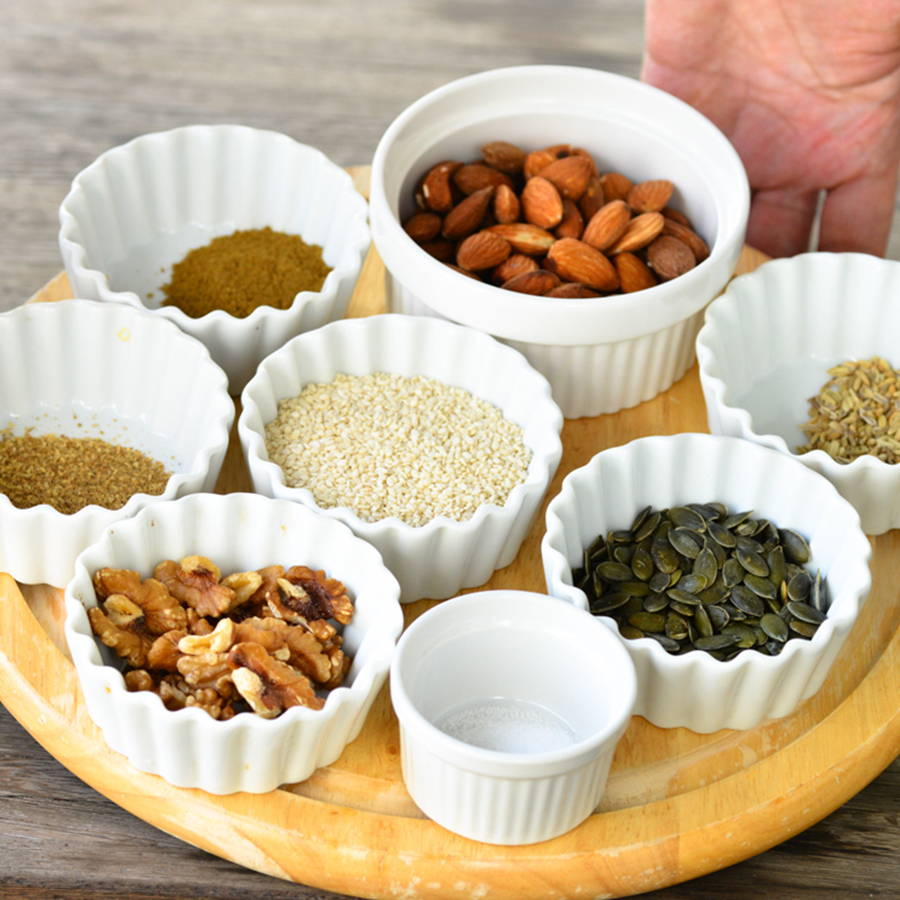
Toasting nuts and seeds enhances their natural flavor, brings out their rich, nutty aroma, and restores their crispness. This simple step makes a noticeable difference in the overall flavor profile of dukkah, giving the blend a deeper, more intense taste and a delightful crunch.
The best part? Toasting nuts and seeds is quick and easy. All you need is a skillet and a stovetop!
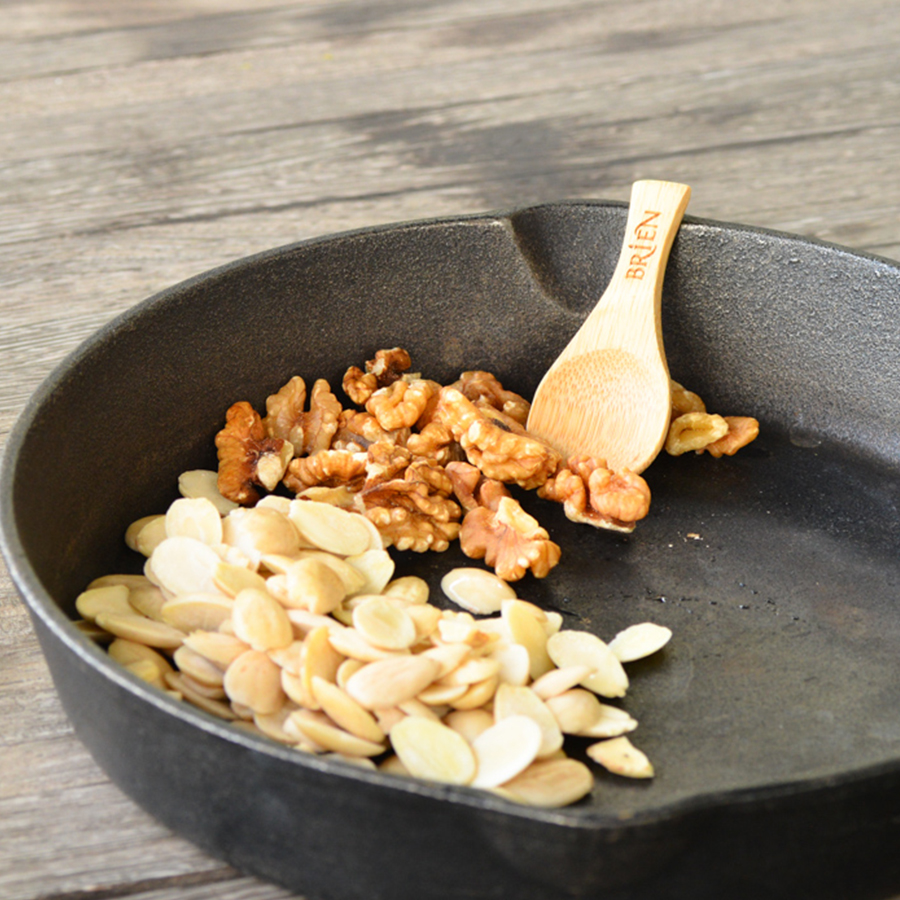
Over medium heat, gently toast the almonds and walnuts in a dry skillet, without adding any oil. Stir frequently to ensure even toasting and prevent them from burning. Once they become fragrant and lightly golden, remove them from the heat and allow them to cool before grinding or mixing them with the other ingredients.
How to Store Dukkah
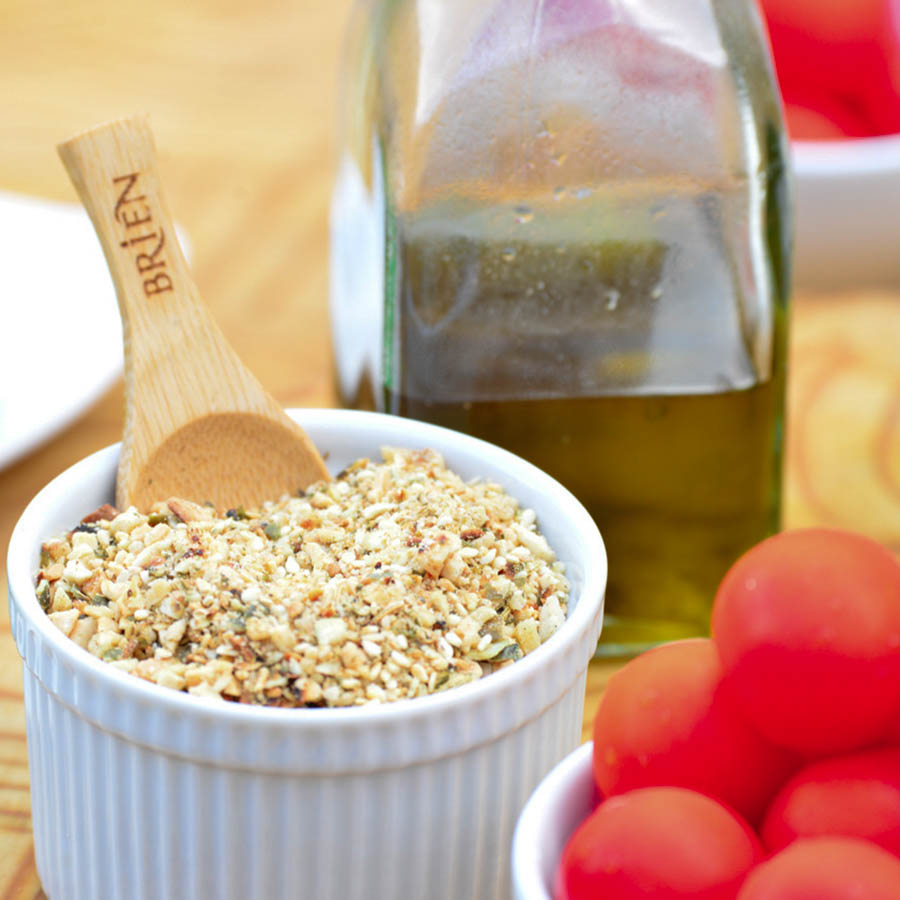
Transfer your homemade dukkah to a clean, airtight glass jar and store it in a cool, dry place away from direct sunlight. For the best flavor and crunch, enjoy it within 3 weeks.
Make sure the dukkah has cooled completely before storing it to prevent moisture from building up inside the jar.
Keep a jar of this delicious Egyptian spice blend on hand to add a nutty crunch and a burst of flavor to your favorite dishes.
Labneh with Cherry Tomatoes and Dukkah: A Delicious Mediterranean Appetizer
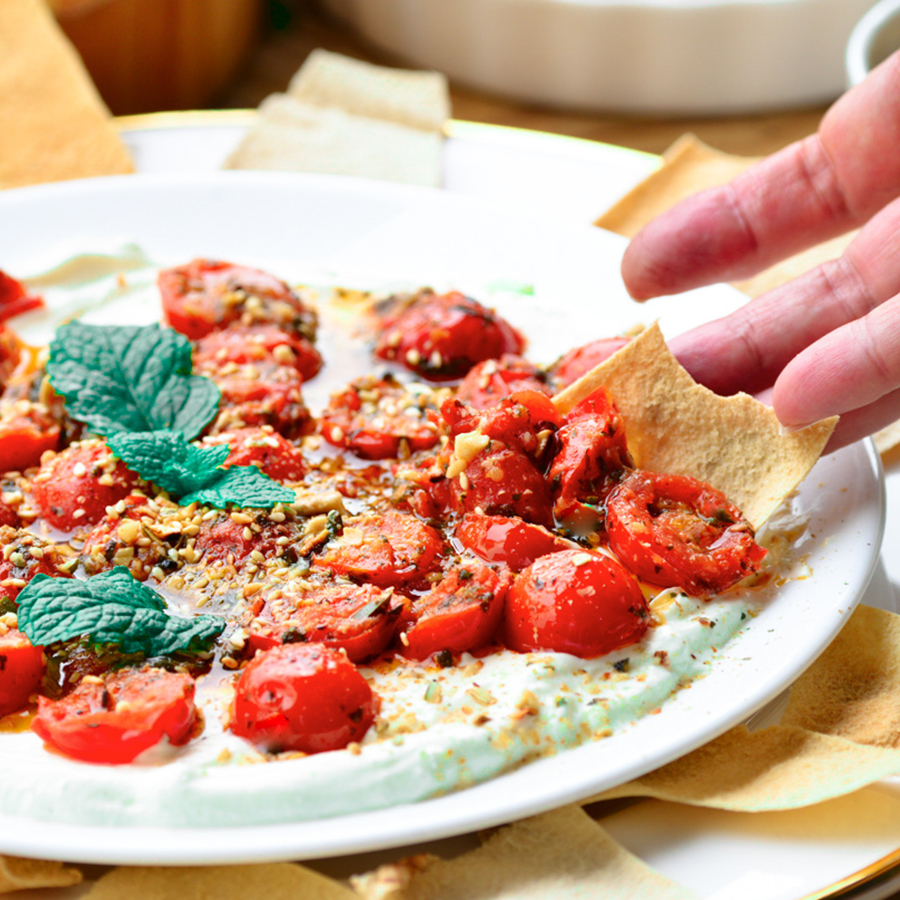
Try this delicious labneh with cherry tomatoes and dukkah recipe, a simple Mediterranean-inspired appetizer that combines creamy labneh, juicy cherry tomatoes, and the irresistible crunch of homemade Egyptian dukkah. Drizzled with extra virgin olive oil and served with warm, crusty bread, this flavorful dish is perfect for sharing, entertaining, or enjoying as a light snack.
 Let’s Stay in Touch!
Facebook, Instagram, YouTube , Pinterest and TikTok!
Dukkah
Description
Ingredients
- ½ cup shelled almonds
- 4 tablespoons walnuts
- 4 tablespoons white sesame seeds
- 4 tablespoons hulled pumpkin seeds pepitas
- 1 level teaspoon fennel seeds
- 1 level teaspoon ground cumin
- 1 level teaspoon ground coriander
- 1 level teaspoon sea salt
- Chilli flakes optional, to taste
Instructions
- Over medium heat, toast the almonds and walnuts in a dry skillet, without adding any oil, for 3–4 minutes, stirring constantly until fragrant and lightly golden. Remove from the skillet and set aside to cool.
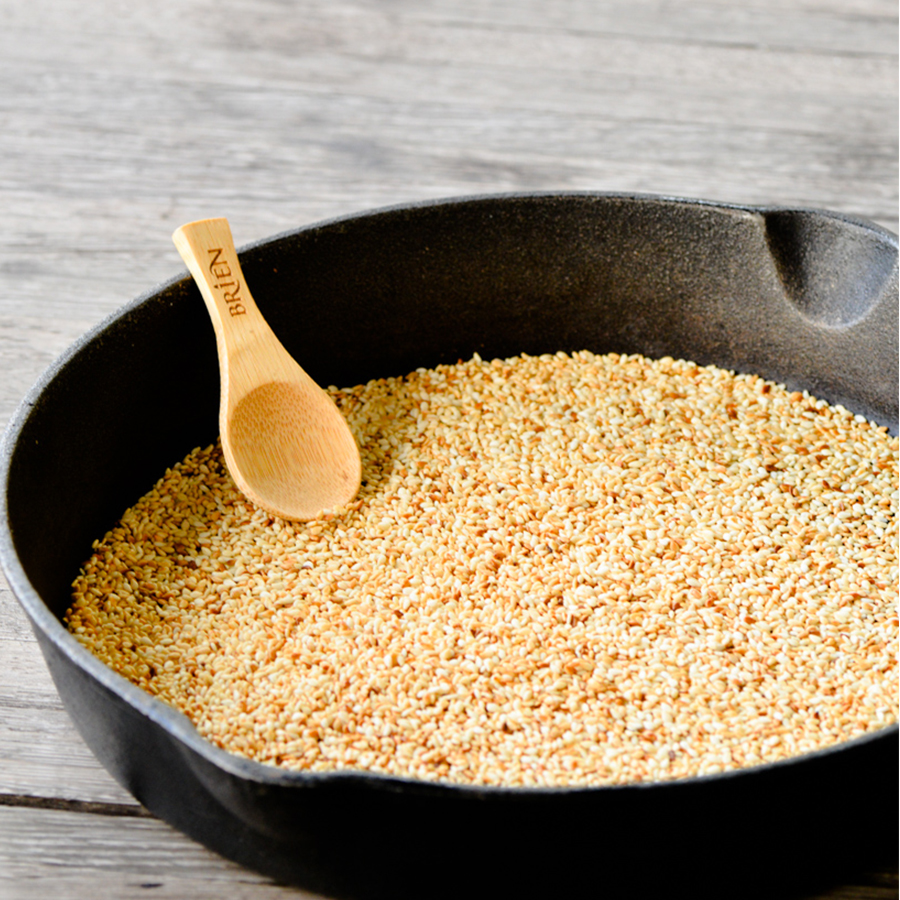
- Add the sesame seeds to the skillet and toast over medium heat, stirring constantly until they turn lightly golden and release their nutty aroma. Keep a close eye on them, as sesame seeds can burn quickly. Remove from the skillet and set aside to cool.
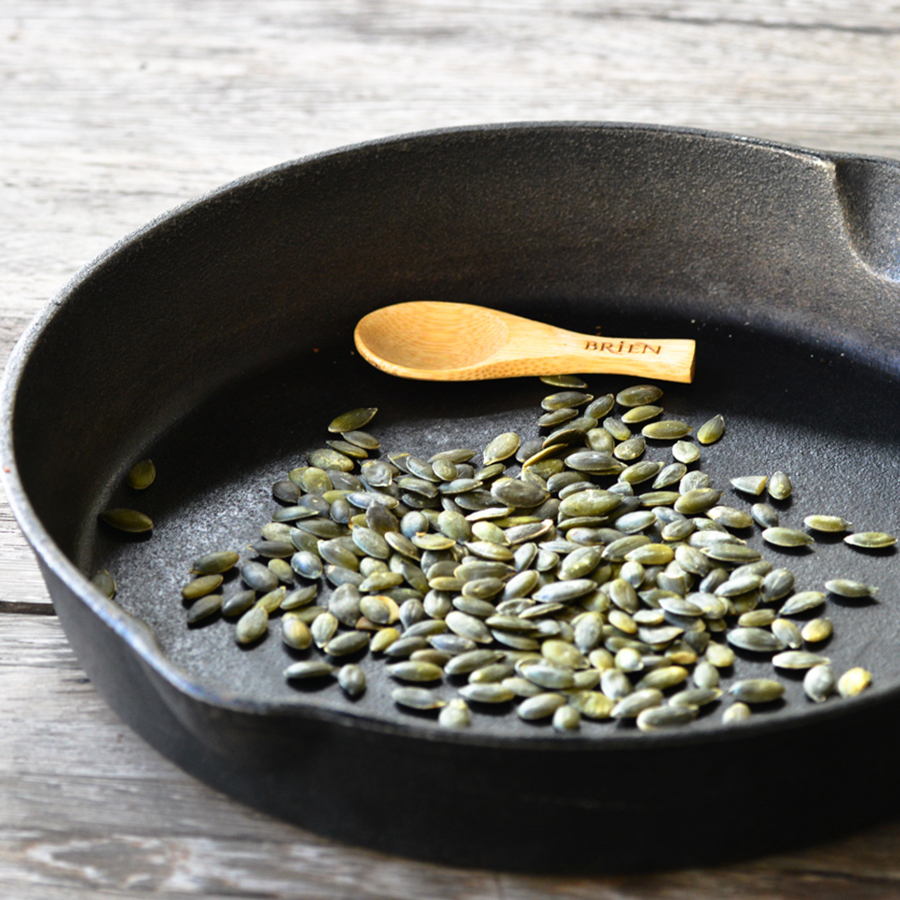
- In the same skillet, lightly toast the pumpkin seeds over medium heat, stirring frequently. As they heat up, some seeds may pop slightly—don't worry, this is perfectly normal! Continue stirring for 2–3 minutes, until the seeds turn golden brown and release their nutty aroma. Remove them from the skillet promptly to prevent burning, and set aside to cool.
- In a food processor fitted with a blade, combine the toasted almonds, walnuts, sesame seeds, pumpkin seeds, fennel seeds, cumin powder, coriander powder, and sea salt.
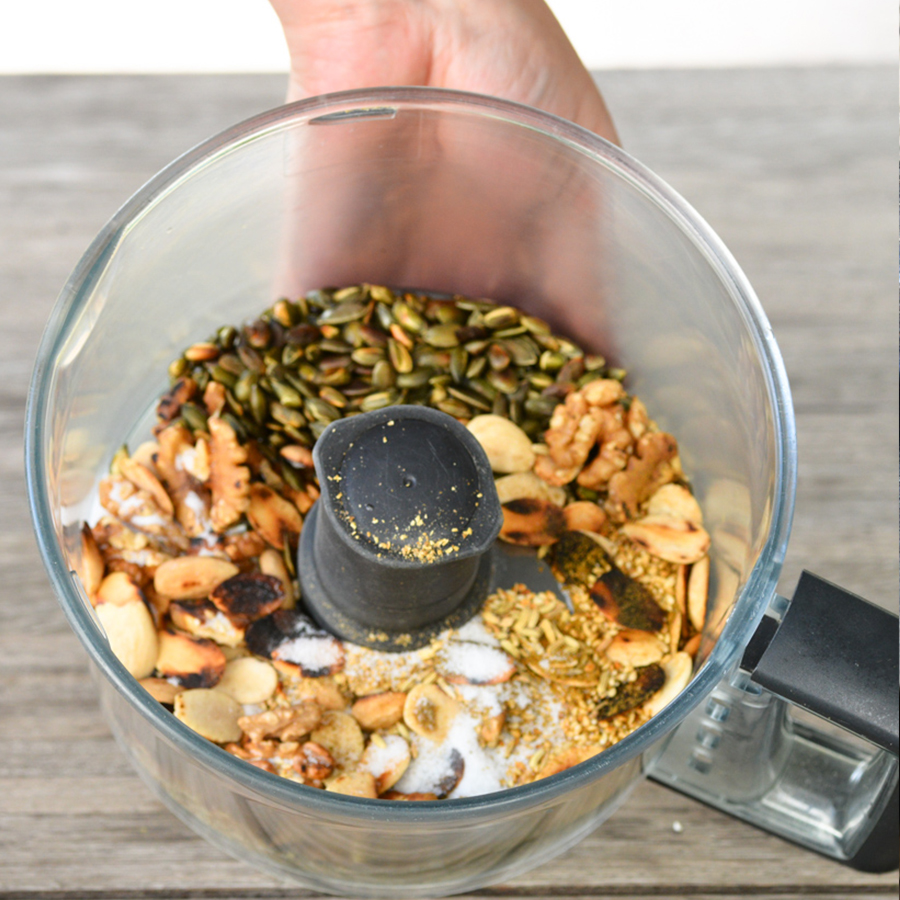
- Pulse the mixture until the ingredients are well combined and coarsely ground. Be careful not to overprocess—you don’t want a fine powder! The ideal texture should resemble coarse breadcrumbs, with a delightful crunch from the nuts and seeds.
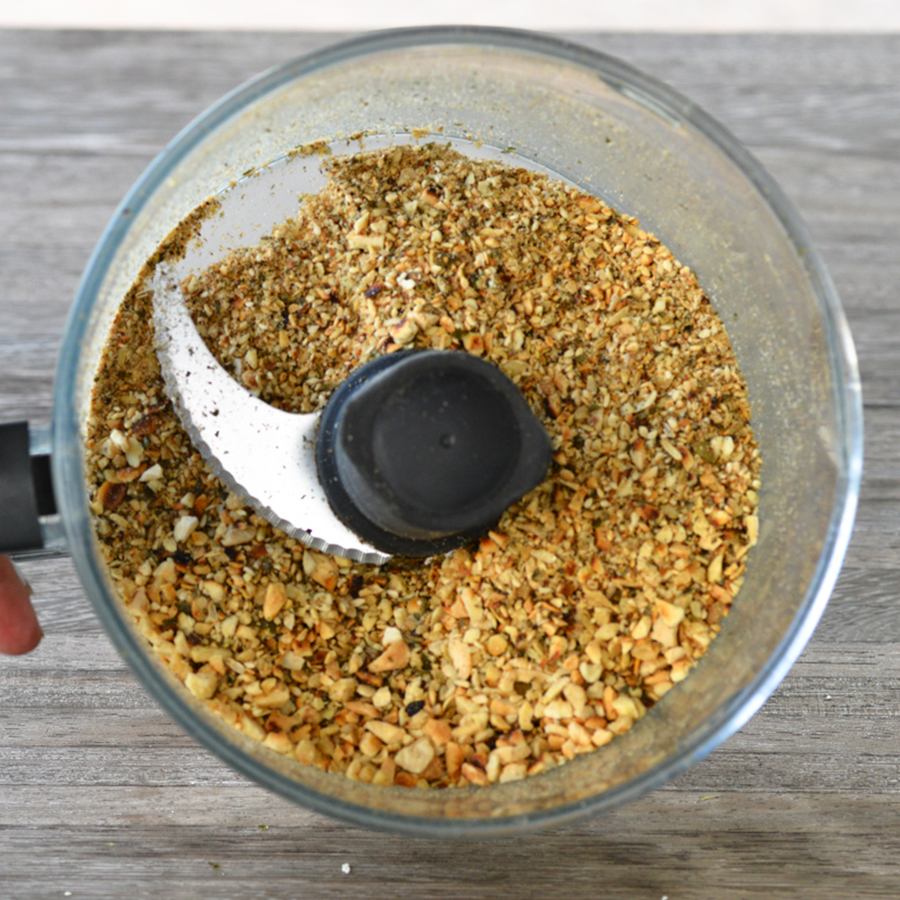
- Transfer the dukkah to a clean, airtight glass jar and store it in a cool, dry place at room temperature for up to 3 weeks. Happy eating!





















5 Comments
Will try the Dukka. Thanks Hadia and welcome back 🙂
Hello–looking forward to trying this soon. In the photos, it looks like you’re using almonds withouymt their skins. Is that preferred?
Hello Judith,
Thank you so much for reaching out! That is an excellent question.
For this recipe, I highly recommend using raw almonds without their skins (blanched almonds). Removing the skins ensures a cleaner, sweeter flavor profile and prevents any potential bitterness that roasted almond skins can sometimes introduce to the blend. It also gives the dukkah a beautiful, bright appearance!
However, if you only have almonds with their skins on hand, you can absolutely still use them. The texture will just be slightly more rustic.
I hope you love making and tasting this blend! Let me know how it turns out for you.
Warmly,
Hadia