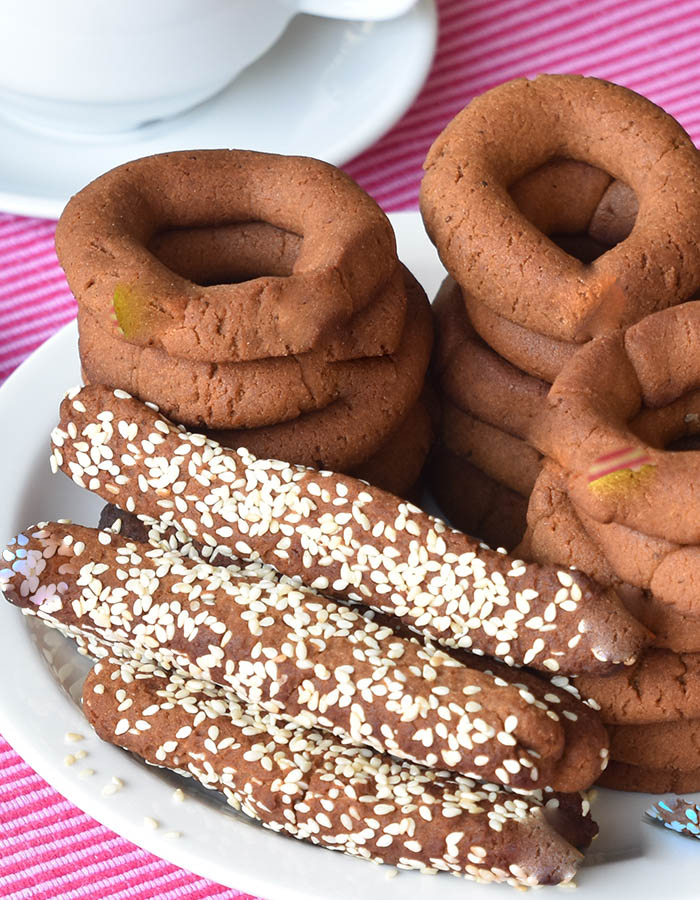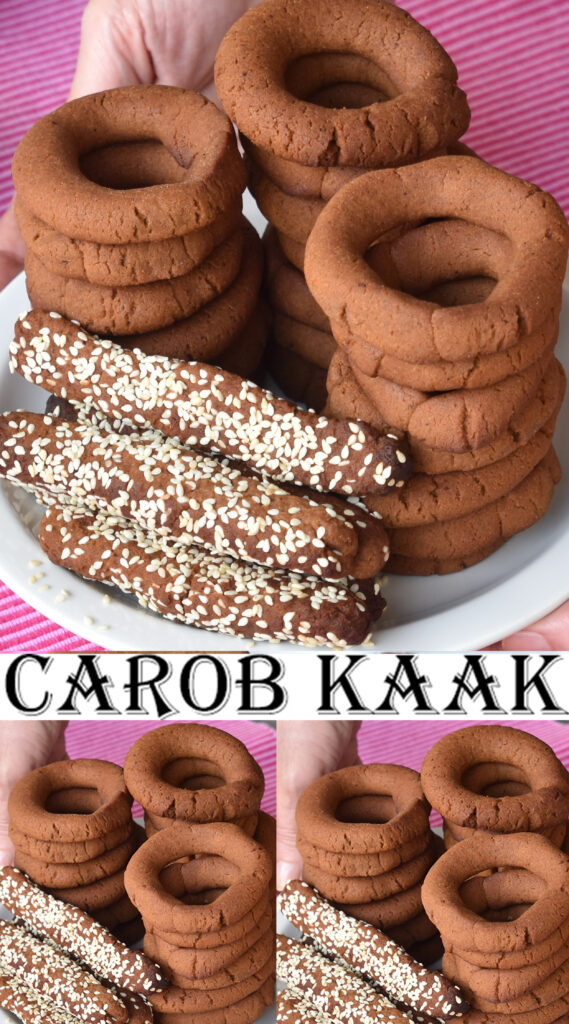



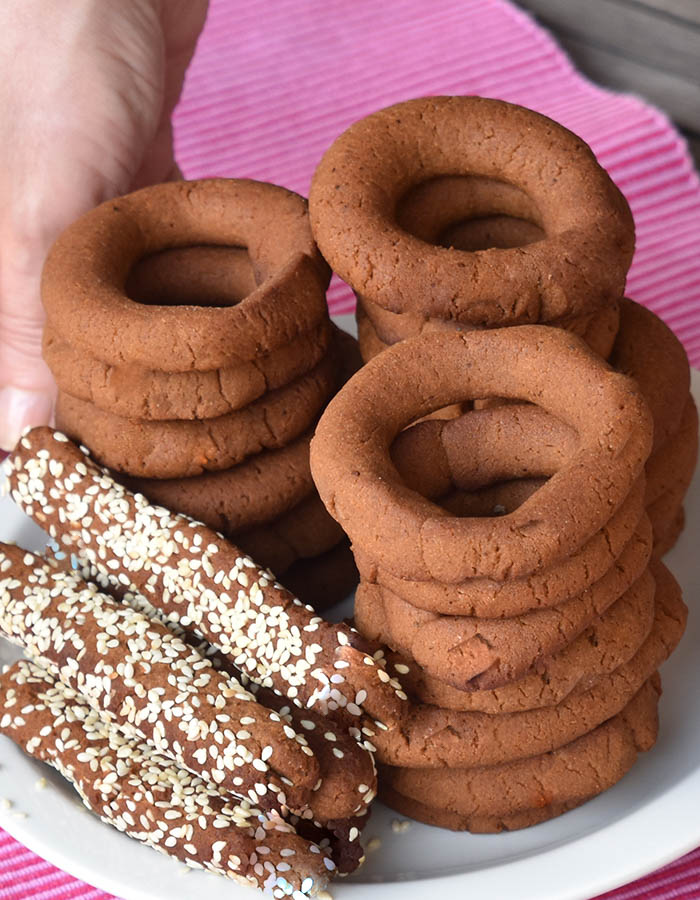
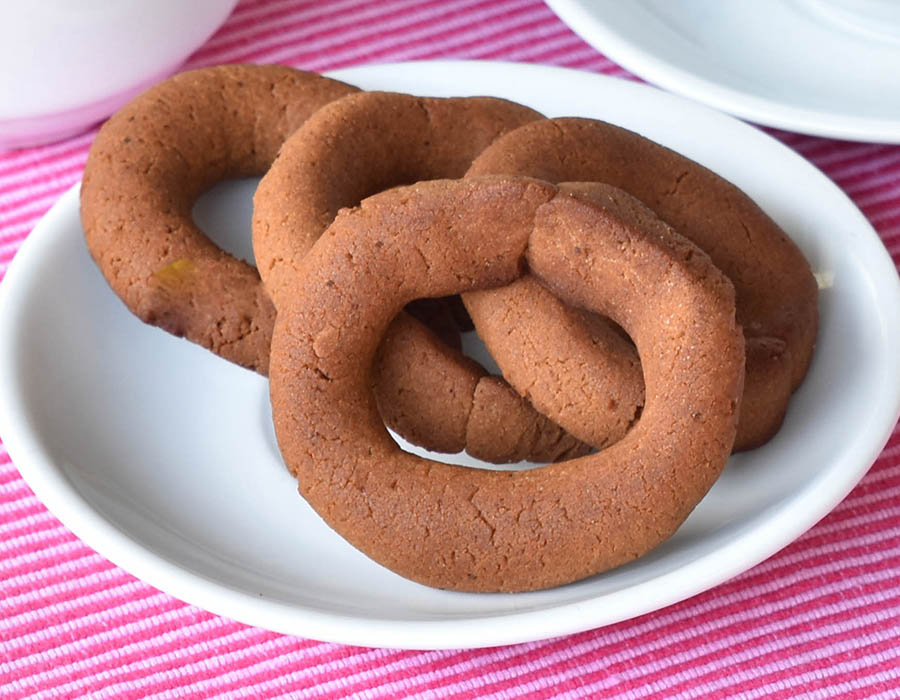
These carob cookies are crispy and packed with rich flavor from carob molasses. They’re completely refined-sugar-free, vegan, and a delicious choice for those looking for a healthier treat.
Yes, carob molasses—known as dibs al-kharoub in Arabic—is nutrient-dense and rich in antioxidants.
Watch the detailed video tutorial below to see how to make them!
What Is Carob Molasses?
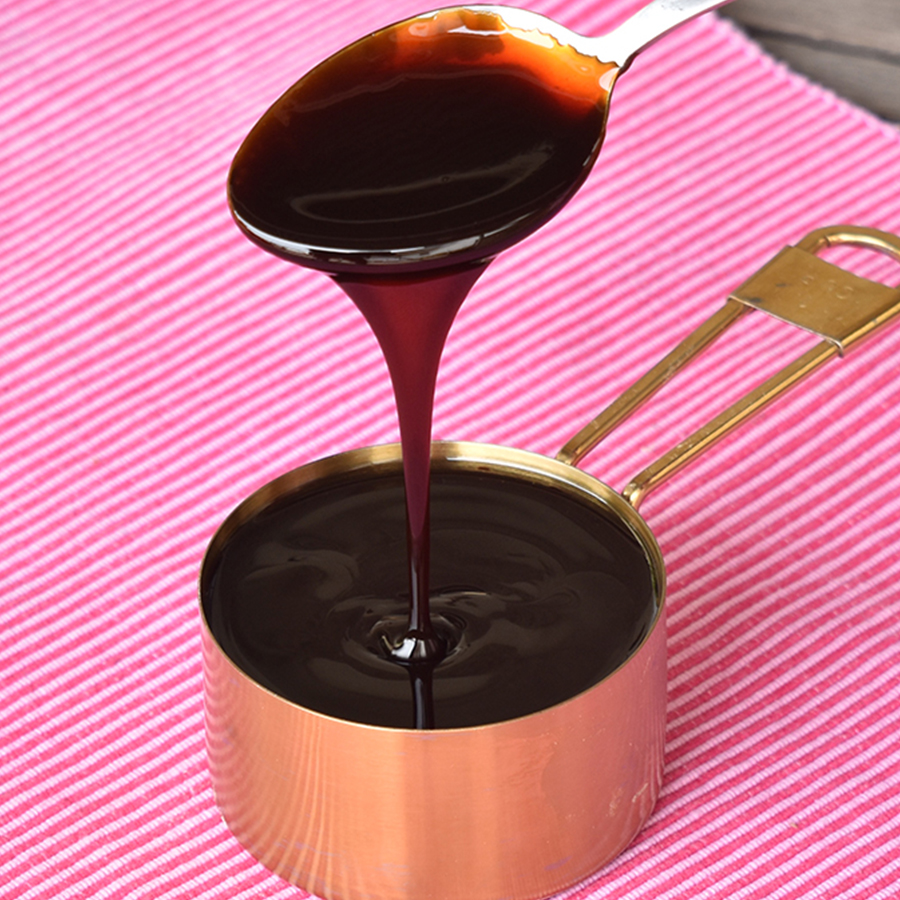
Carob molasses is a dark-brown syrup with a natural sweetness, a deep, smooth flavor, and a subtle touch of acidity. It is made from the fruit of the carob tree and has been used for centuries in Lebanon and throughout the Middle East, particularly as a natural alternative to sugar.
Carob molasses is rich in vitamins and minerals and has a deep, sweet aroma with roasted, fruity notes. Its flavor is not exactly chocolate, but it has a subtle chocolate-like quality that gives it a distinctive character.
Traditionally, carob molasses is made by soaking carob pods in water for at least 24 hours. The liquid is then boiled and strained before being simmered for several hours until it reduces to a thick, dark, pourable syrup.
You can find ready-made carob molasses in many Middle Eastern grocery stores—and count yourself lucky if you come across an organic variety.
Carob molasses is also valued for its potential health benefits. It is traditionally associated with supporting digestive health, helping regulate blood sugar, and promoting heart health.
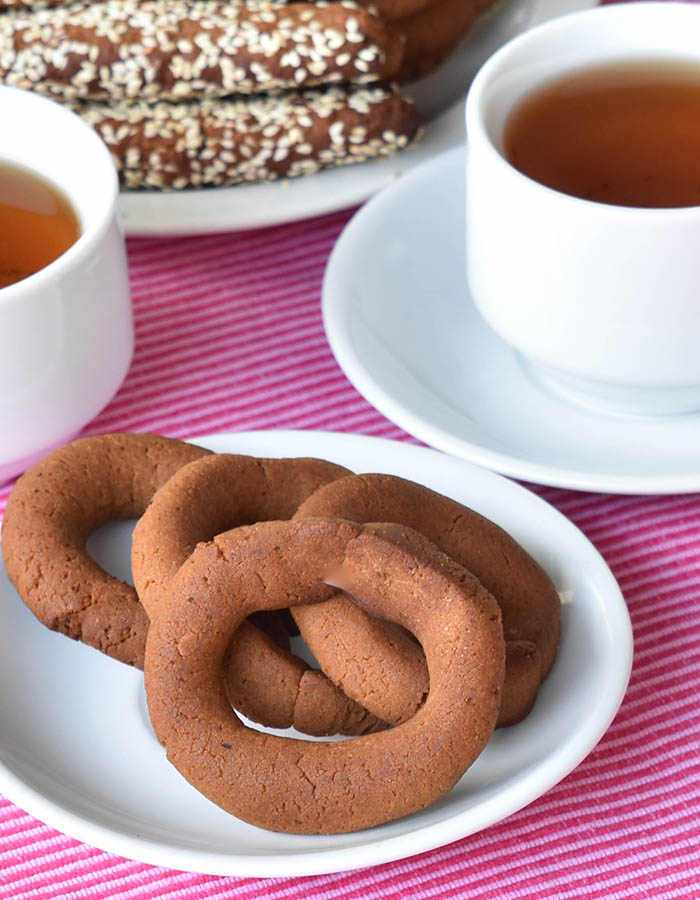
Carob kaak are a classic Lebanese dessert that dates back to the old days. They’re crispy and delicately spiced with cinnamon and nutmeg, while carob molasses adds a unique flavor like no other. They aren’t overly sweet and are naturally vegan. They also freeze well, so you can make them in advance if you like. Pair them with a cup of tea, coffee, or salep for a delicious treat.
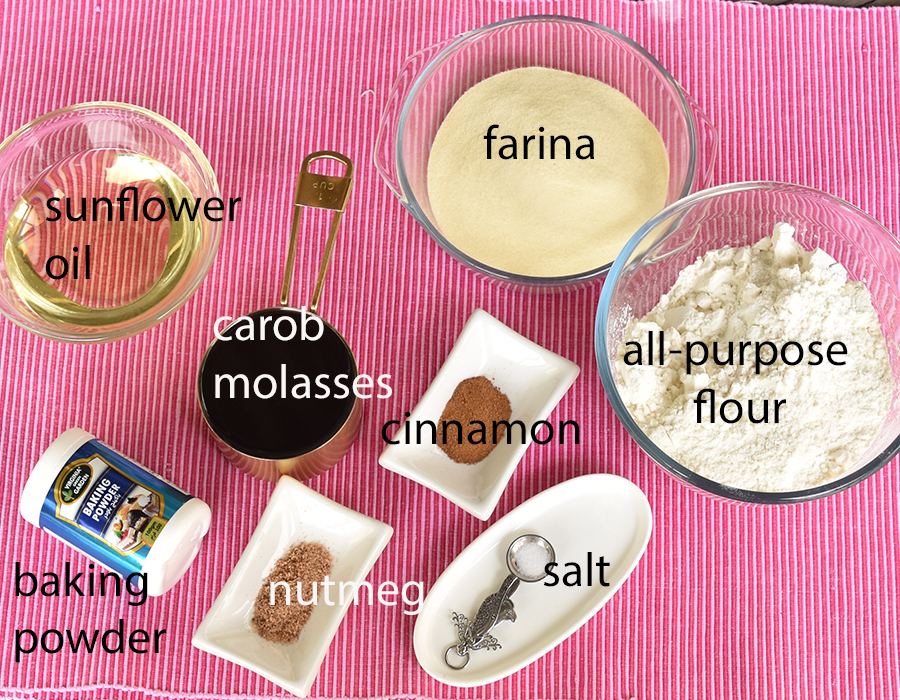
Ingredients Needed to Make Carob Kaak
-
Carob molasses
-
Farina
-
All-purpose flour
-
Sunflower oil
-
Baking powder
-
Mahlab: an aromatic white spice commonly used in Middle Eastern baked goods
-
Ground cinnamon
-
Ground nutmeg
-
A pinch of salt
Tips and Tricks
-
Use a 250 ml measuring cup to shape the kaak.
-
If the dough is overly sticky, sprinkle in a small amount of flour and knead just until the ingredients are well incorporated.
-
Shape the kaak as evenly as possible in size so they bake uniformly.
-
Use parchment paper or a silicone baking mat for the best results.
-
It can be difficult to tell when carob cookies are done because of their dark color. Instead, look for golden-brown edges, a firm center, and cookies that can be easily moved on the baking sheet. The cookies should be set and lightly golden. To check, carefully turn one over—the bottom should be just slightly brown.
A Lent-Friendly Snack and Dessert
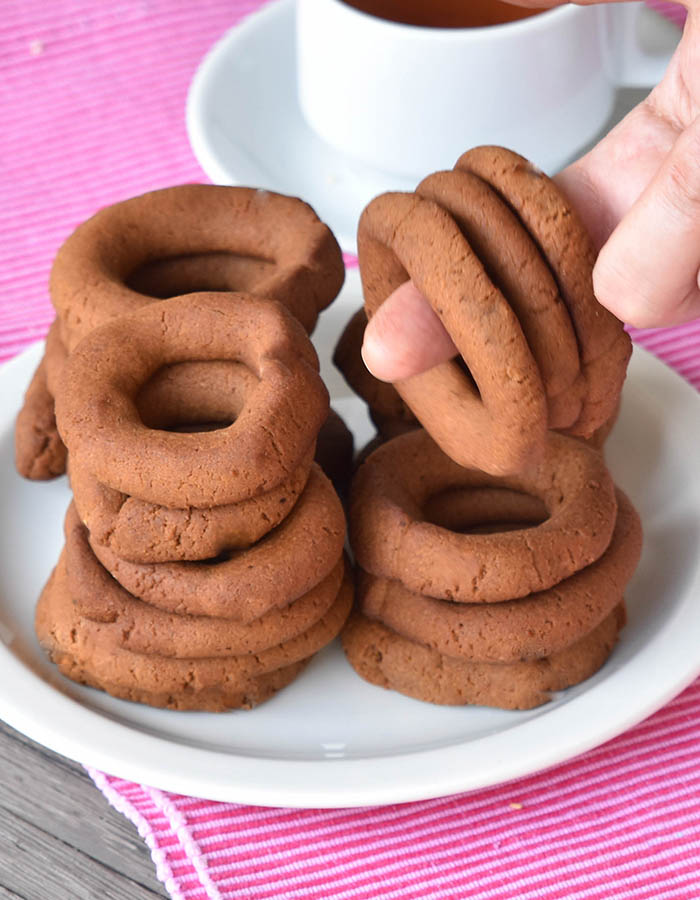
These carob molasses kaak are a great choice for Lent when you want something tasty that comes together quickly. As you can see, they’re dairy-free and vegan—a clever dessert that strikes a balance between rich and simple. Serve them during Lent or any time of the year; they’re effortless to shape without sacrificing flavor.
More Authentic Kaak Recipes
- Kaak al Asrieh
- Lebanese Sweet Kaak
- Lebanese Milk Kaak
- Northern Lebanese Flat Kaak
- Farida’s Date Ring Kaak
 Let’s Stay in Touch!
Facebook, Instagram, YouTube , Pinterest and TikTok!
Carob Molasses Kaak/ Kaak Bil Dibs
Description
Ingredients
- 1 cup farina called theen farkha in Arabic
- 2¼ cups all-purpose flour
- ¾ cup sunflower oil
- 1 cup carob molasses
- 1 teaspoon baking powder
- ¼ teaspoon salt
- ½ teaspoon ground mahlab
- ½ teaspoon ground cinnamon
Instructions
- Preheat the oven to 170°C/340°F.
- In a large bowl, combine the farina, all-purpose flour, baking powder, salt, mahlab, cinnamon, and nutmeg. Stir in the oil and carob molasses. Gently knead the dough with your hands until it comes together into a soft, cohesive ball. If the dough is too sticky, add just a pinch of flour—but please don’t go heavy.
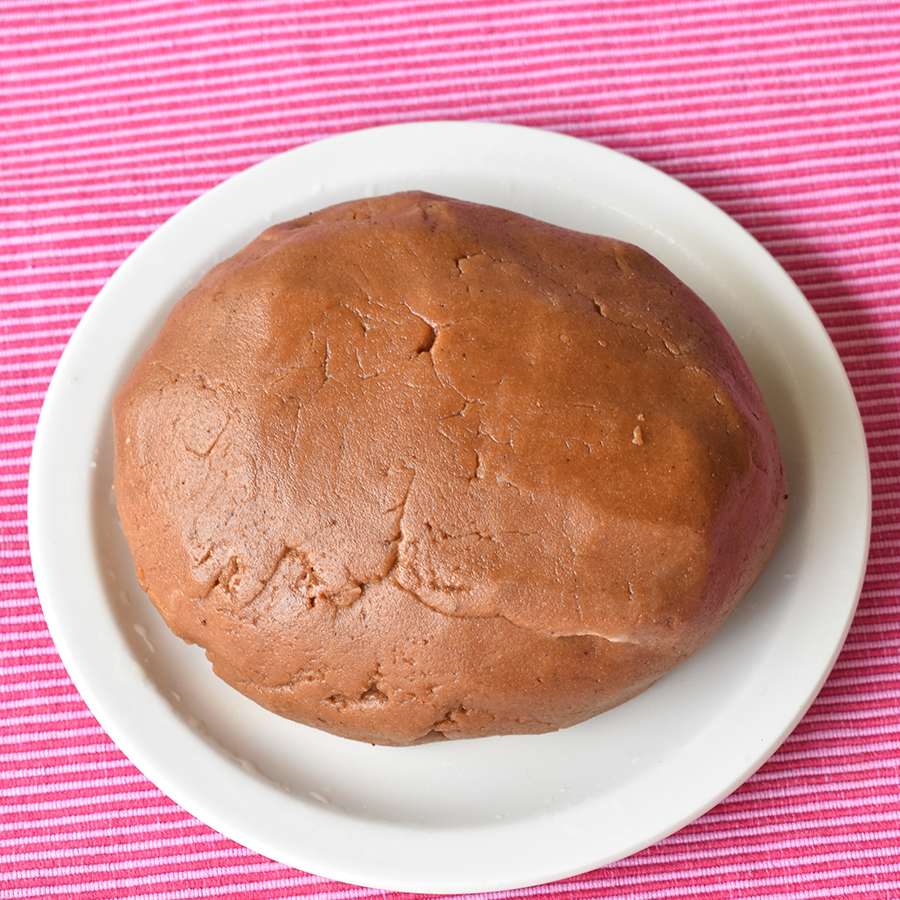
- Line a large baking sheet with parchment paper. Divide the dough into equal balls, roughly the size of a ping-pong ball or slightly smaller.
- Roll each ball between the palms of your hands, forming a 7 cm (2.5-inch) long rope of dough. Pinch the ends of the rope together to form a circle. Place the kaak on a parchment-lined baking sheet, leaving some space between each one.
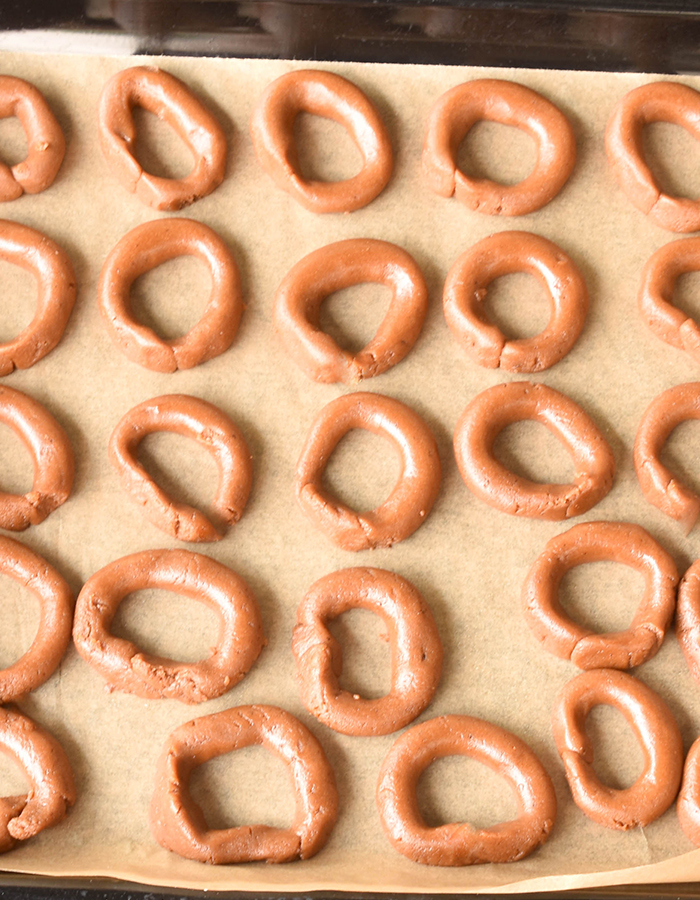
- Bake until pale golden, about 15–17 minutes. Keep an eye on them, as carob molasses can burn easily. To make sure they’re done, roll one over and check that the bottom is just slightly browned. Remove from the oven and let them cool completely before transferring them to a serving plate.
Video
Notes