


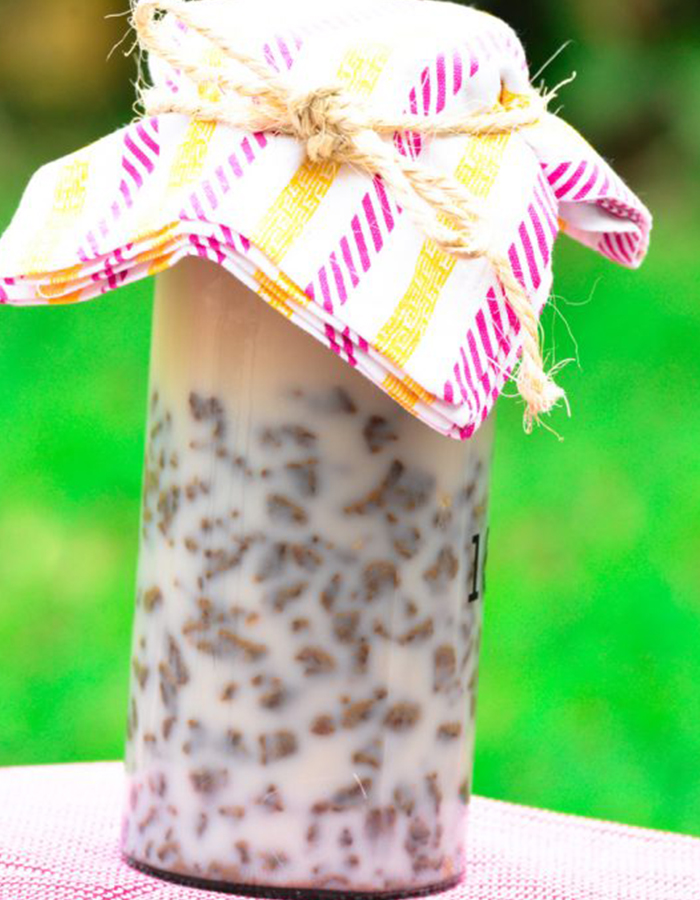
Before refrigeration became widely available, awarma was a cherished staple in the mountain villages of Lebanon. In those days, preserving food was essential for survival, especially during the long, cold winters. Families relied largely on what they produced themselves or obtained from their neighbors, as transportation was limited and fresh food was not always readily available.
Awarma offered a traditional way to preserve meat for the colder months, providing families with a convenient source of protein when fresh meat was scarce. The lamb was slowly cooked in its own rendered fat, then traditionally sealed and stored in earthenware jars away from direct sunlight. Today, glass jars are commonly used instead.
When it comes to nutrition, animal fats are often viewed differently from plant-based fats. However, traditional animal fats, such as the lamb fat used to prepare awarma, are natural fats and differ from industrially produced partially hydrogenated fats, which can contain harmful trans fats. Of course, the nutritional value of any fat depends on its composition and how much we consume.
Our ancestors relied on traditional foods like awarma for generations, long before modern refrigeration and today’s highly processed foods became commonplace. While we cannot attribute their health solely to their diet, there is something fascinating about the traditional food-preservation methods and culinary heritage they passed down to us.
And yes, this is a whole debate in itself! I’m simply sharing my thoughts and celebrating a traditional Lebanese food that has nourished generations.
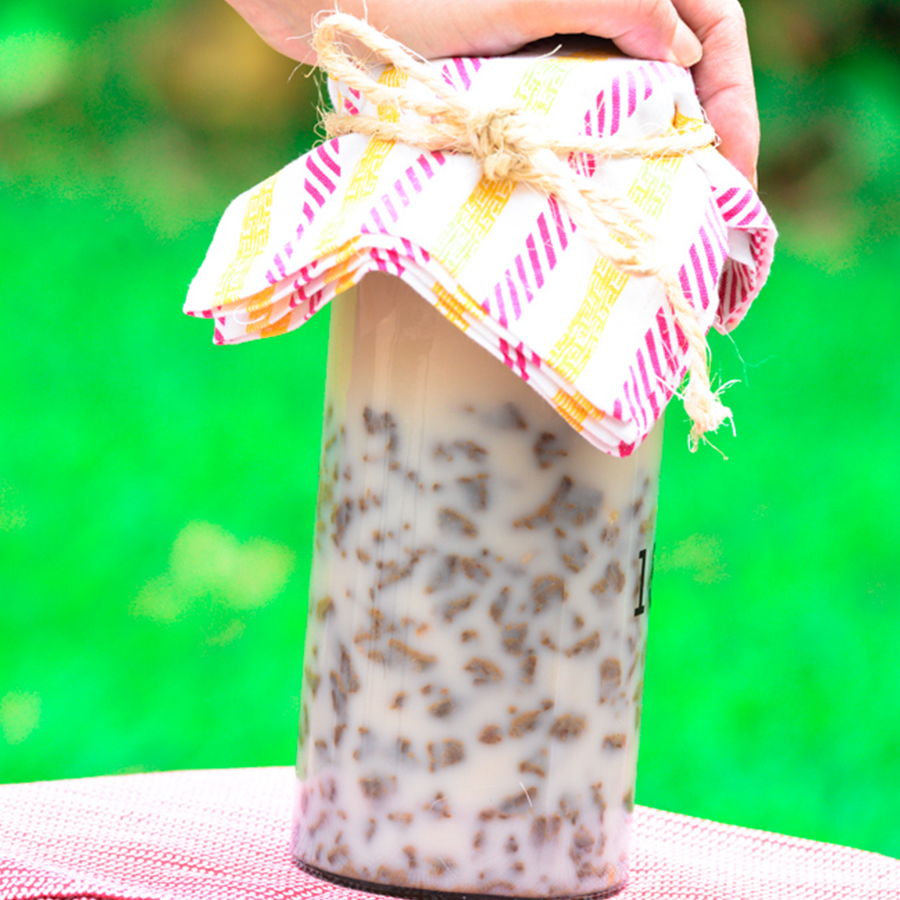
How to Eat Awarma (Lebanese Lamb Confit): Traditional Serving Ideas
There is no reason you can’t enjoy awarma today! This traditional Lebanese lamb confit is incredibly rich in flavor, versatile, and easy to prepare. Keep a jar in your fridge, and you’ll always have a delicious ingredient on hand to elevate your everyday meals. Use it to add a savory depth to hummus and kishik, scramble it with eggs for a hearty breakfast, make delicious pita sandwiches with awarma and tomatoes, or use it as a filling for traditional awarma fatayer (Lebanese meat pies).
Although our ancestors preserved awarma for generations without refrigeration, I recommend storing it in the refrigerator today for food safety. When properly prepared and stored, awarma can keep for an extended period, but its shelf life depends on the preparation method and storage conditions. For homemade awarma, follow tested food-safety guidance rather than assuming it will keep safely for a full year.
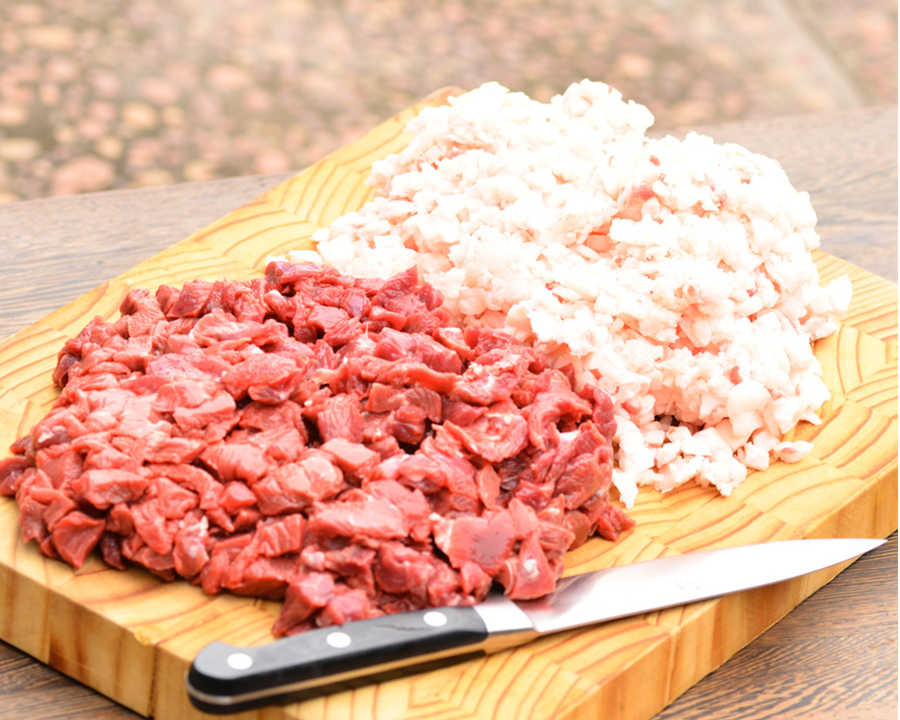
What Fat Is Used to Make Awarma?
Traditionally, the best fat for making awarma is sheep’s tail fat, known as leyya. It comes from fat-tailed sheep breeds commonly found in Lebanon and throughout the Middle East. However, other types of lamb fat work well, too. According to my butcher, lamb breast fat is another excellent option because this cut contains a generous amount of fat.
What Meat Is Used to Make Awarma?
If you’re using minced lamb, almost any cut of lamb will work well. However, if you prefer to dice the meat, as I did, I recommend using lamb loin or rump. Both cuts are tender and flavorful, making them excellent choices for homemade awarma.
How to Make Awarma (Lebanese Lamb Confit)
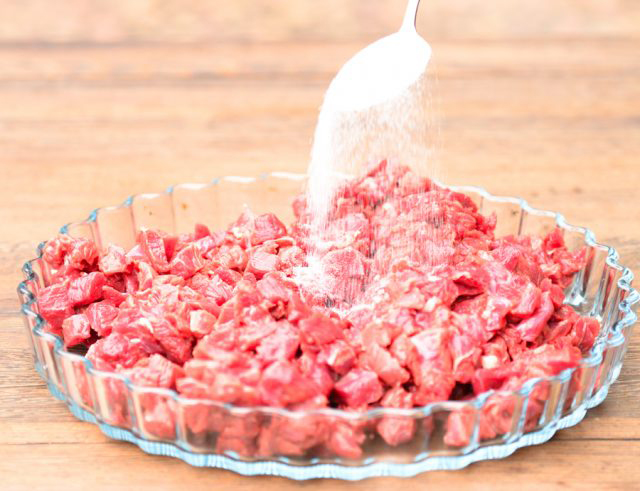
The first step in making traditional awarma is to prepare the lamb with salt, which plays an important role in the traditional meat-preservation process. The amount of salt and the preparation method are essential for food safety, so it’s important to follow a tested recipe for long-term storage.
Adding spices is entirely optional. Traditional awarma is often prepared with just lamb, fat, and salt, allowing the rich, natural flavor of the meat to shine through.
How to Render Lamb Fat for Traditional Lebanese Awarma (Qawarma)
Before adding the meat, you need to render the fat. This process takes approximately 25 minutes, depending on the size of the fat pieces and the heat level. For the best results, render the fat slowly over low heat to allow it to melt gradually.
Cut the fat into small chunks, or ask your butcher to grind it for you. If you’re cutting it yourself, make sure the fat is well chilled, as this makes it much easier to handle. Using a serrated knife, dice the fat into small cubes—the smaller, the better—as this helps it render more evenly.
Tip: Slow rendering helps produce clean, flavorful fat, which is essential for making traditional Lebanese awarma. However, the shelf life of your awarma depends on the entire preparation process and proper storage, not just the rendering method.

Add the diced fat to a heavy-bottomed stockpot. Simmer over medium-low heat, stirring occasionally and scraping the bottom of the pot with a wooden spoon to prevent the fat from sticking. Allow about 30 minutes for the fat to melt and become clear, rather than cloudy, leaving behind small bits of golden-brown cracklings floating in the rendered fat.
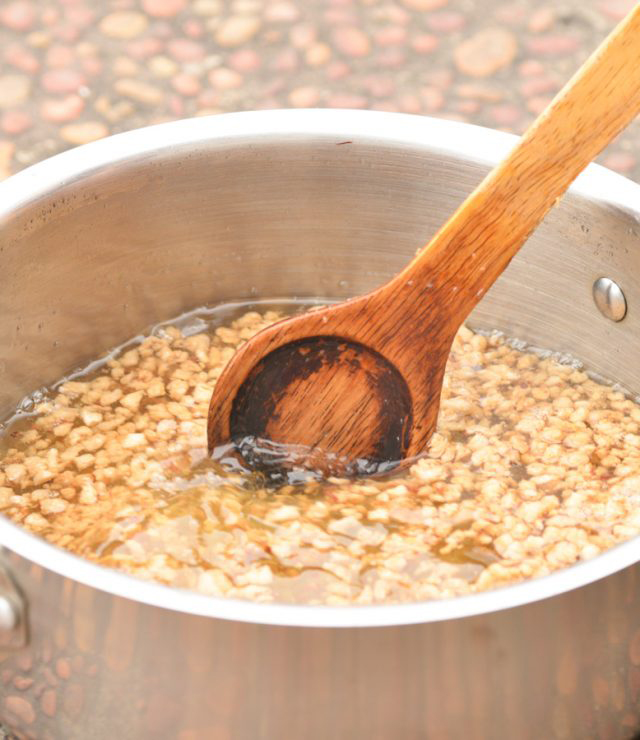
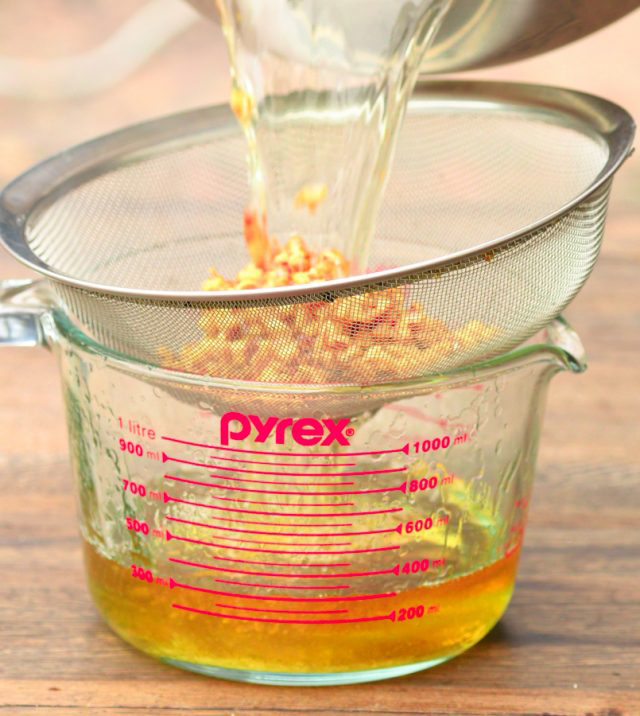
Using a fine-mesh sieve, strain the rendered fat to remove the small bits of browned fat. You can save these crispy bits, known as cracklings, as many people do, but I prefer to discard them.
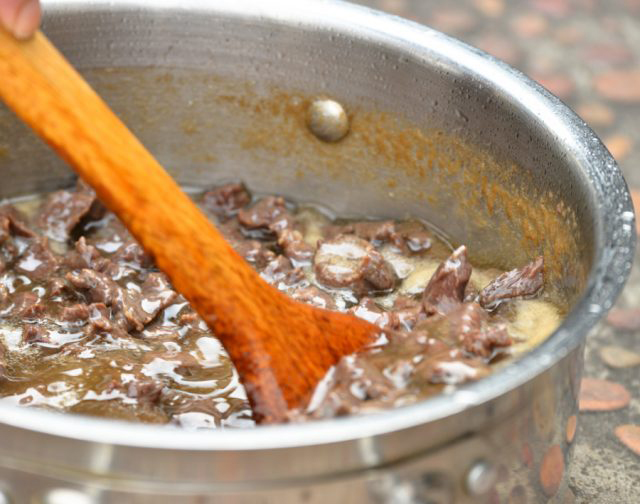
Return the rendered fat to the stockpot and heat it gently. Add the seasoned, diced or minced lamb and simmer uncovered, stirring occasionally. Cook over low heat until the meat is thoroughly cooked and nicely browned, about 30 minutes.
Remove the pot from the heat and set it aside, allowing the awarma to cool completely before transferring it to storage containers.
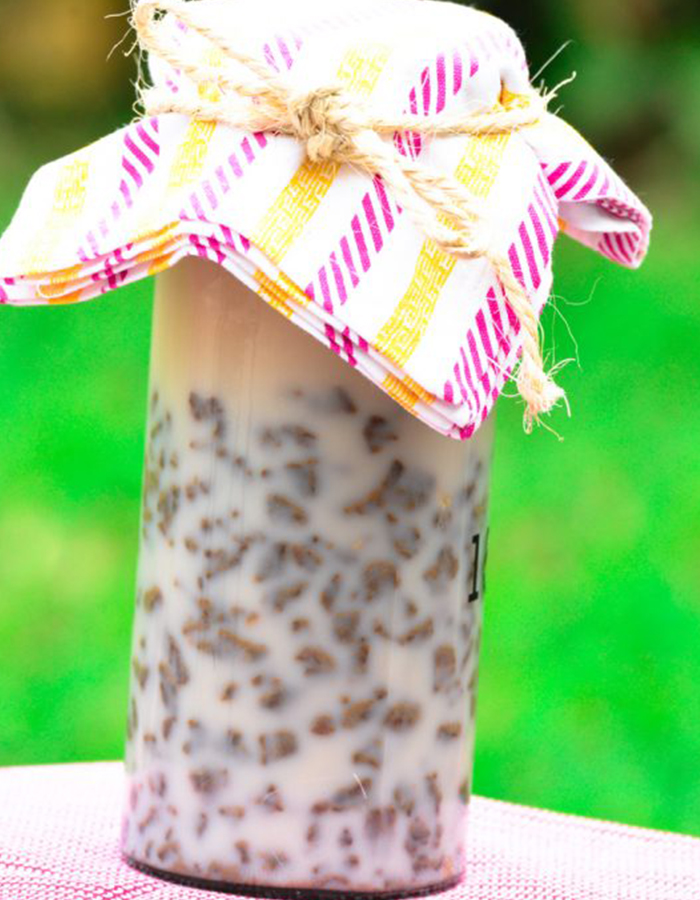
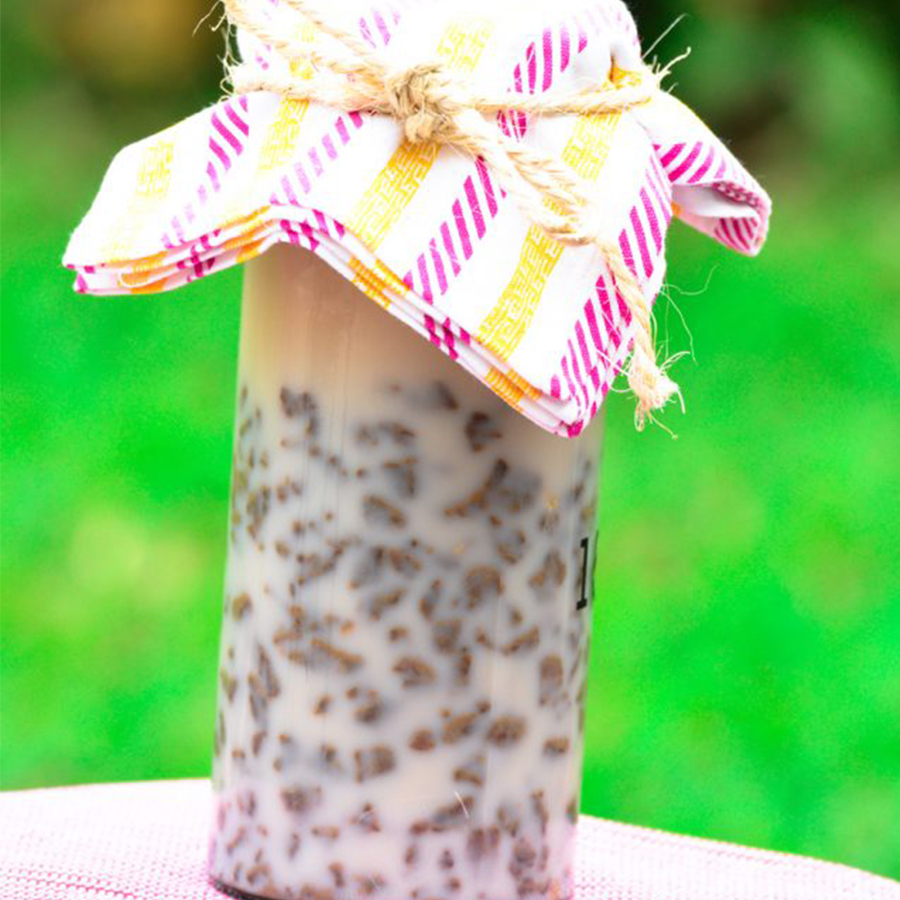
Ladle the awarma into one large, clean jar or several smaller jars. As you can see, the rendered fat eventually covers the meat completely, creating a protective layer over the surface.
Traditionally, this layer of fat helped preserve awarma by limiting its exposure to air. However, a layer of fat does not create a reliably safe seal or prevent all bacterial growth, and the absence of air does not guarantee that the meat is safe to store at room temperature.
Although our ancestors traditionally stored awarma without refrigeration, I recommend refrigerating it today to reduce food-safety risks. For the safest results, use a tested preservation method and follow appropriate food-storage guidelines rather than relying on the layer of fat alone.
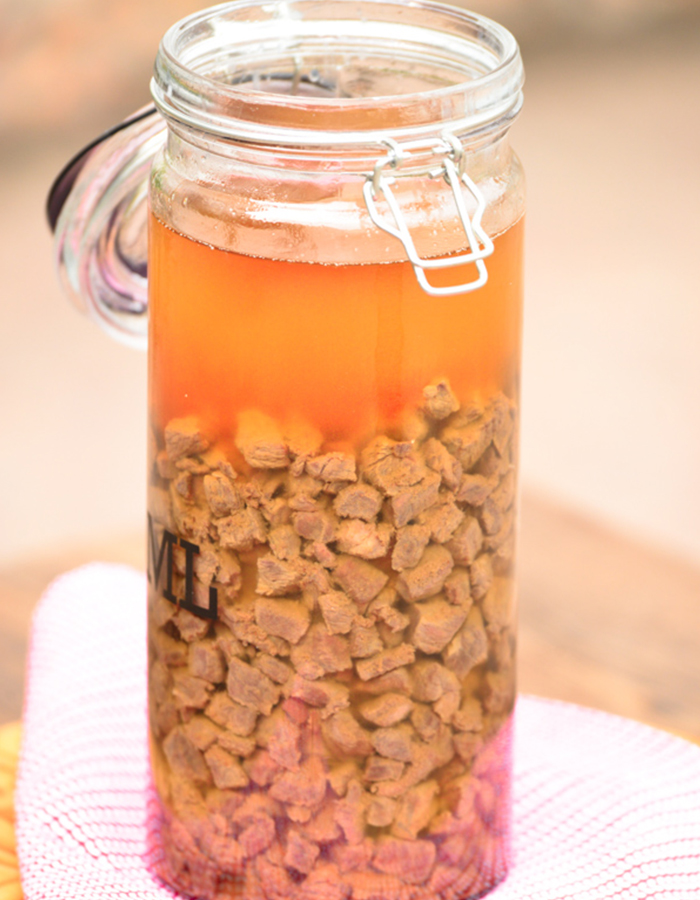
Once the awarma cools completely, the rendered fat solidifies, creating a beautiful mosaic of white fat and brown meat. This is the signature look of traditional Lebanese awarma!
It is best to store your awarma in the refrigerator. Make sure the jar is properly sealed with a tight-fitting lid. You can also wrap a clean, dry cloth around the outside of the jar to help keep it dry and protect it from moisture. Always use a clean, dry utensil when scooping out the awarma to help maintain its quality and freshness.
 Let’s Stay in Touch!
Facebook, Instagram, YouTube , Pinterest and TikTok!
Awarma, Qawarm, Lebanese Lamb Confit
Description
Ingredients
- 1 kg 2 lb 4 oz lamb meat, minced or diced into 2.5 cm (1-inch) cubes. If you're using minced lamb, almost any cut will work. However, if you're dicing the meat, as I did, I recommend using lamb loin or rump, as both cuts are tender and full of flavor.
- 1 kg 2 lb 4 oz lamb fat, preferably sheep's tail fat (leyya or lieh), although other cuts of lamb fat can also be used. Dice the fat into small cubes yourself, or ask your butcher to prepare it for you.
- 1½ tablespoons salt
- 1 teaspoon Lebanese seven-spice blend or allspice optional. I personally prefer my awarma without any spices, allowing the natural flavors of the lamb and rendered fat to shine through.
Instructions
- If you're dicing the fat yourself, make sure it is well chilled, as this makes it easier to handle and cut. Using a serrated knife, dice the fat into small cubes, approximately 2.5 cm (1 inch) in size.
- Trim away any remaining bits of meat from the lamb fat.
- Season the meat generously with salt, then cover and refrigerate.
- Add the fat to a heavy-bottomed stockpot and simmer, uncovered, over medium-low heat, stirring occasionally and scraping the bottom of the pot with a wooden spoon. It takes about 30 minutes for the fat to melt and render, leaving small bits of golden-brown cracklings floating in the clear, rendered fat.
- Using a fine-mesh sieve, strain the rendered fat to remove the small bits of browned fat. Most people keep these cracklings, but I prefer to discard them.
- Return the rendered fat to the stockpot and add the diced or minced lamb. Cook over medium-low heat, stirring occasionally. Leave the stockpot uncovered, as the meat will release moisture as it cooks.Continue cooking for about 25 minutes, or until the released liquid has evaporated and the meat is thoroughly cooked. You will be left with the lamb and rendered fat, as fat does not evaporate like water.Remove the pot from the heat and allow the awarma to cool completely. Then, transfer it to clean, dry jars, making sure the meat is fully covered with the rendered fat. Turn the jars upside down and leave them that way for 2 hours.
- It is best to store the awarma in the fridge, where it keeps well for up to one year. Happy eating!!


















17 Comments
I was looking for a detailed awarma recipe. Thank you for sharing, Hadia. I love your recipes.
Helllo this is my first time on your blog. thank you for the recipe! However a had a few questions:
1) how exactly do you cure the meat first? Can you give specifics as to amount of salt and also duration of refrigeration.
2) can I use other types of meat such as beef to make this?
3) Can I use ghee instead of animal fat.
4) can I use beef fat rather than lamb fat?
thanks for letting me know asap ….I really cant wait to try this recipe 🙂 nashr_1@hotmail.com
Great recipe! I prefer to cook the moisture out of the meat before adding the fat to it.
Hello Hadia, I am Lebanese living in the UK but was born and grew up in Sierra Leone. I love Lebanese food! I also love confit de Canard which we buy from France. So now I can add confit of Lamb to my culinary skills, thanks! Living here in Kent, the Lamb is really good. We are also able to order Lamb from the Salt Marshes in Wales.. Once again, sincere thanks Hadia.
Hello Hadia,
Here is a tip for all north American that cannot find Liyye for this confit. I consulted with my cousin in Lebanon about my problem and he suggested I use an American-raised Lamb’s split breast to make the Awarma. Debone the breast, separate the fat from the meat and bones, dice them, then dice the meat and then use the recipe above.
The American Lamb split breast can be found at Walmart.
It worked for me and I use it a lot because liyye is not available.
Good luck, I hope this helps
It looks like the oven temperature got left out in the steps.
I loved your tips for cutting and pre-marinating the meat, and your choice of Taratour sauce was super yummy. I especially love how you’ve prepared this on the stovetop. It makes this recipe so easy to replicate!
What else I can use for fat, since I can’t find leyeh where I live
It’s very convenient. I love it and it lasts and it taste beautiful.
Thank you, Georgina. I totally agree.