



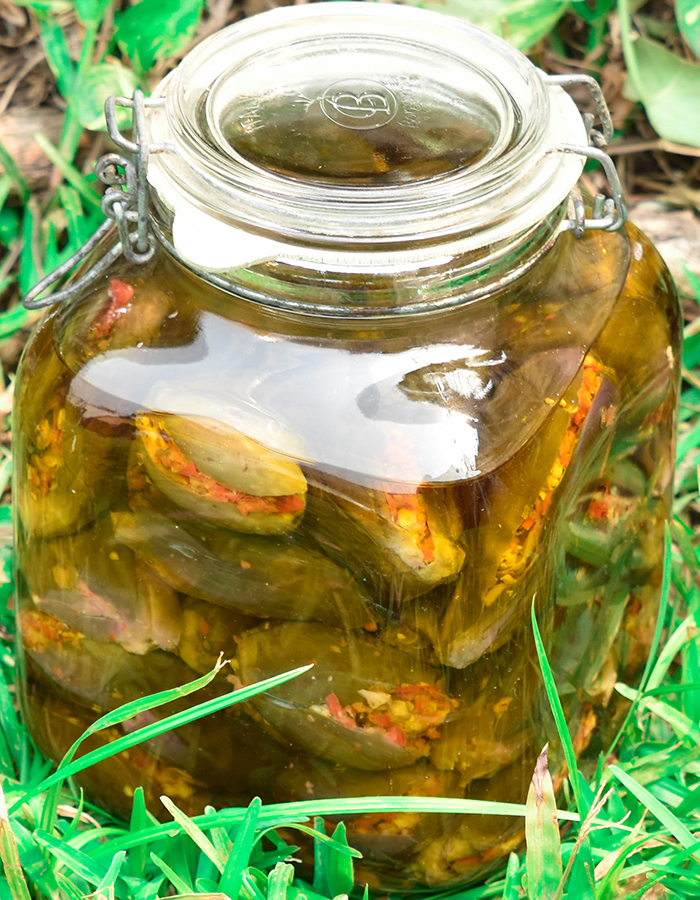
The Tradition of Lebanese Mouneh & Baalbek Makdous

Pro Tips for Perfect Makdous
- Test for Bitterness: Always cook and taste a single test eggplant before processing the whole batch.
- Sterilize Your Jars: Wash your glass jars and lids in hot, soapy water, then boil them for 10 minutes to prevent spoilage and guarantee a long shelf life.
- Watch the Boil Time: Don’t boil the eggplants for too long. Start checking them at 10 minutes, depending on the variety. Stick a fork into the thickest part of an eggplant; if it slides in easily with no resistance, they are done. Overcooking will yield a mushy makdous.
- Keep Covered in Oil: The eggplants in the jar must be completely submerged in olive oil at all times. Check back periodically and add more oil as needed.
- Keep it Dry: Always use a completely dry spoon to remove makdous from the jar. Never introduce water into the jar, as even a drop of moisture can cause mold to form.
- Store in the Dark: Keep the makdous jar away from direct sunlight to extend its shelf life.
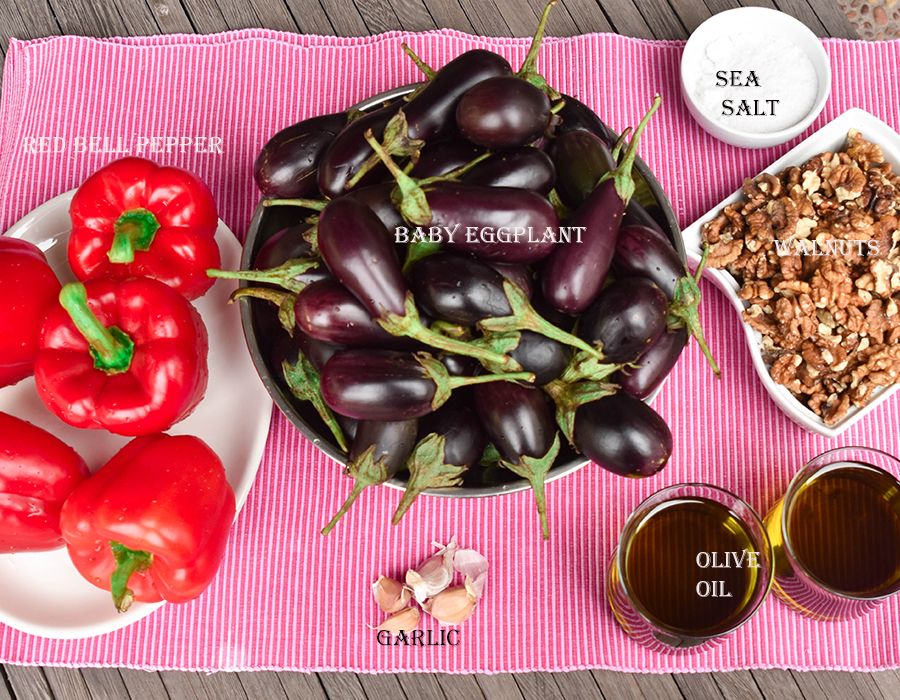
Ingredients Needed to Make Makdous
Baby eggplants: Baby eggplants are perfect for makdous. You can use any firm variety that will hold its shape even after boiling.
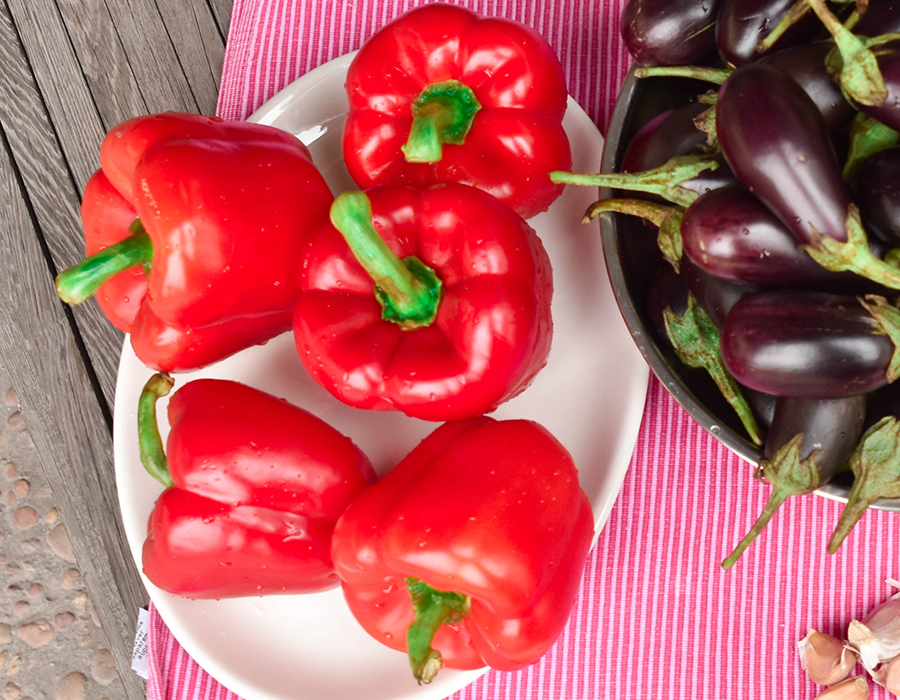
Aruba or red bell peppers: Aruba red peppers are ideal for makdous because they contain less water, but regular red bell peppers can also be used.
Walnuts: Walnuts add a delicious crunchy contrast to makdous. Use the freshest walnuts you can find, and avoid stale or rancid ones, as they can negatively affect the entire batch.
Garlic: Just a few cloves are needed to deepen the flavor of the filling.
Non-iodized sea salt: Use non-iodized sea salt, as iodized salt may affect the curing process. Salt plays two important roles in making makdous: first, it helps draw excess water out of the eggplants; second, it acts as a preservative, helping the makdous last longer. However, don’t over-salt them—follow the detailed video tutorial for the right amount.
Extra virgin olive oil: Use the best extra virgin olive oil you can find. The eggplants will absorb the olive oil, so the better the oil, the richer and more decadent your makdous will be.
Chili peppers: Add chili peppers to give the filling an extra kick of heat.

How to Serve Makdous
-
Consider it a breakfast treat, served alongside fried eggs and labneh.
-
Serve it with all kinds of mujadara—a match made in food heaven.
-
Add it to your Middle Eastern mezze spread.
-
Serve it alongside stews and pilafs.
-
Enjoy it on its own with Arabic bread. On busy days, it makes a quick, ready-to-eat meal—I often do just that.
Now Let’s Get Started
Cut, Dry, and Grind the Red Bell Peppers
First, remove the stems from the red bell peppers and the red hot pepper. Cut the peppers into wedges, remove the seeds, and place them on a tray. Leave them in the sunlight or near an air-conditioning draft for 24 hours to dry out.
After 24 hours, place the dried peppers in a food processor and pulse a few times until they become a chunky paste.
Transfer the paste to a strainer placed over a bowl. Any excess liquid will begin to drip into the bowl. Yes, even after drying, the red bell peppers may still contain some moisture.
Refrigerate the pepper paste until needed. It can be kept in the refrigerator for 1–2 days.
Discard the excess liquid collected in the bowl.
Toast the Walnuts
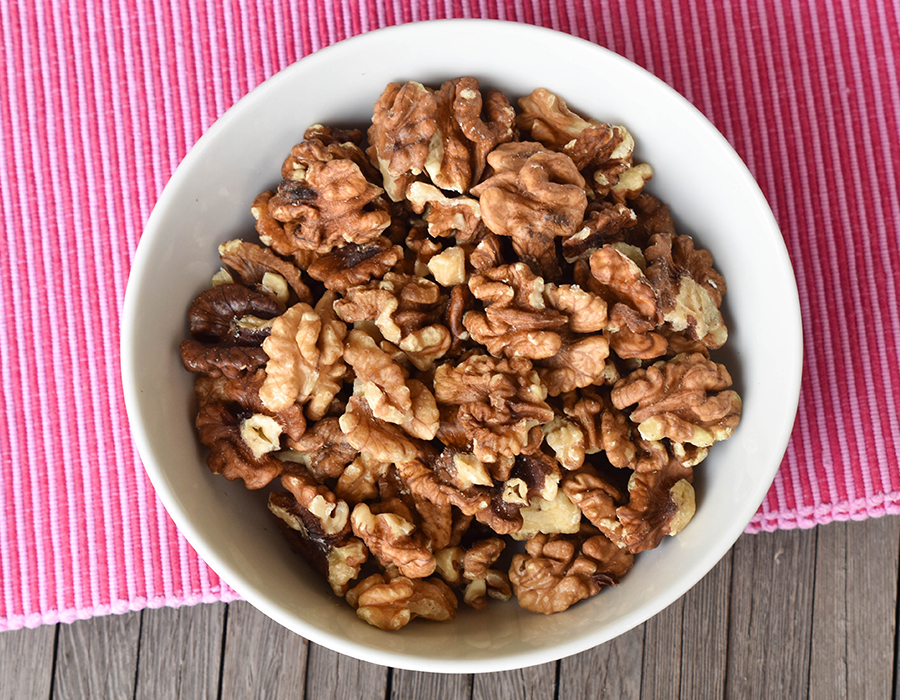
Place the walnuts on a baking sheet and toast them in a preheated oven at 150°C/300°F for 10 minutes. The goal is to gently dry out the walnuts without changing their color. This will bring out their earthy flavor.
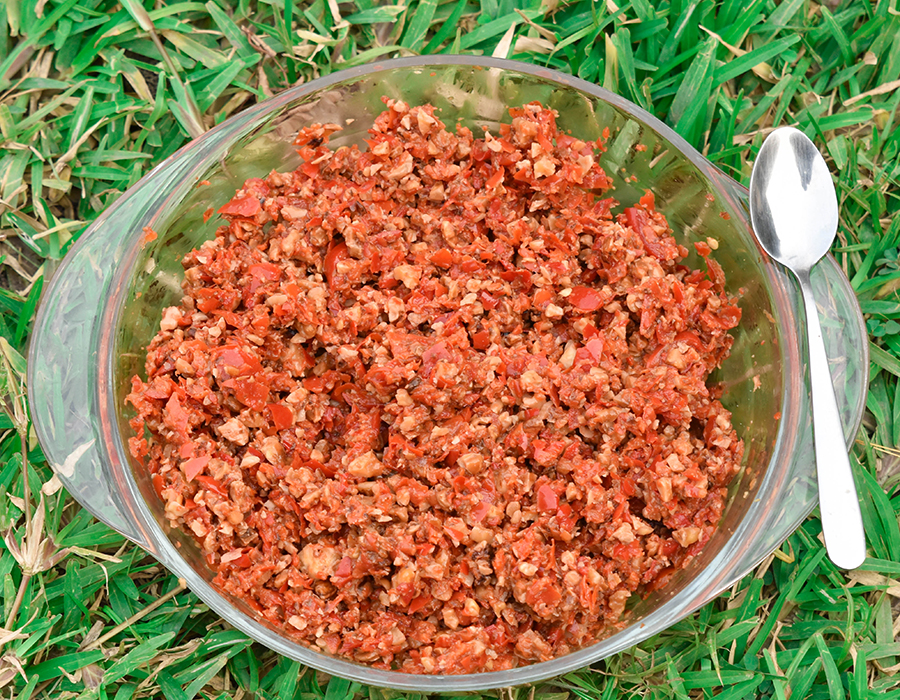
To prepare the red bell pepper and walnut filling:
-
Roughly chop the walnuts with a serrated knife.
-
Remove the crushed red bell pepper from the refrigerator and drain off any excess liquid from underneath the colander. This step can be done up to two days in advance. Cover the crushed red pepper with cling film and keep it refrigerated until ready to use.
-
In a bowl, combine the crushed red pepper and crushed garlic. Mix well to allow the garlic to infuse the red pepper. Add the roughly chopped walnuts and season with sea salt. Taste and adjust the seasoning to your liking.
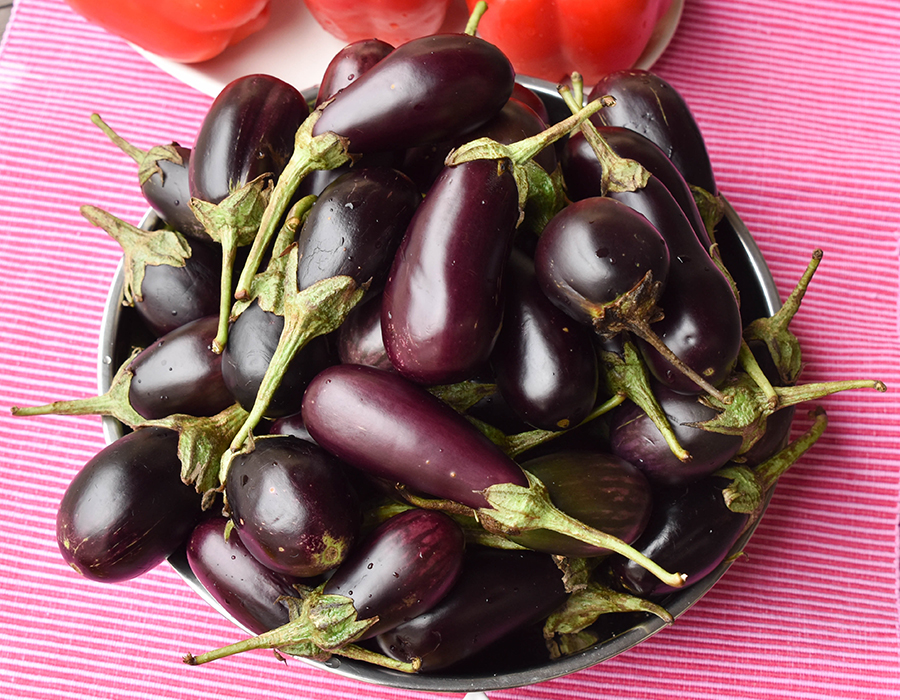
Cook the Eggplants
Wash the eggplants thoroughly under running water, keeping the stem ends intact at this stage.
Transfer the eggplants to a large pot. Cover them with a cake pan that fits inside the pot, then place a light chef’s press or cooking weight (see the video tutorial below) on top of the pan to exert pressure. This will prevent the eggplants from floating.
Cover the eggplants completely with water and bring to a boil. Cook for 10 minutes or longer, depending on their size. To check for doneness, insert a fork into the thickest part of an eggplant. The eggplants are ready when the fork slides in easily, with little to no resistance. Be careful not to overcook them.
Prepare an ice bath. Using a slotted spoon, transfer the cooked eggplants directly into the ice bath. This helps preserve their crisp-tender texture and fresh flavor.
Once the eggplants have completely cooled, remove the stem ends.
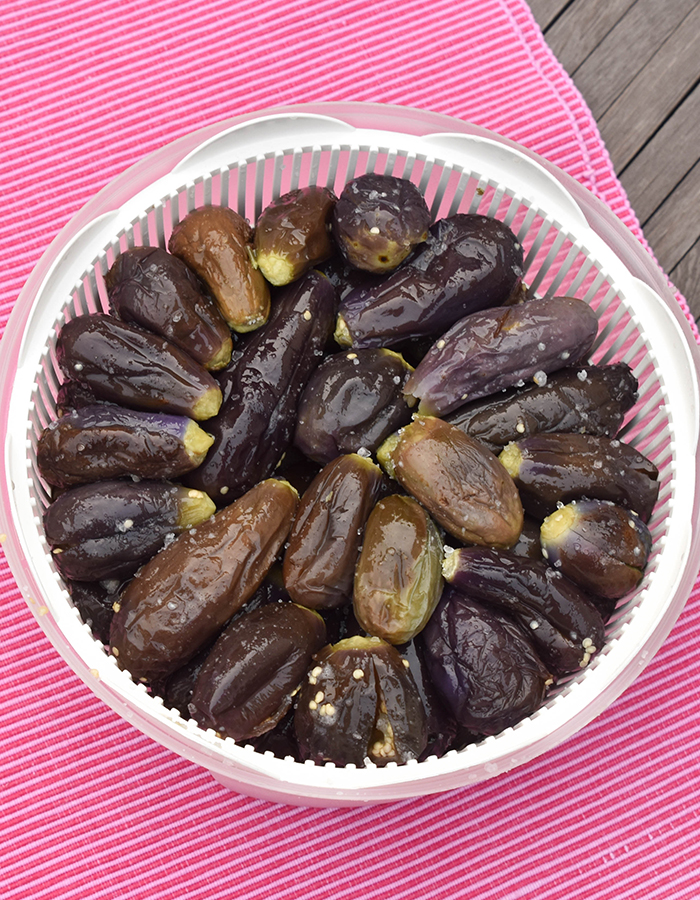
Season and Dry the Eggplants
Using a sharp knife, make a small vertical slit lengthwise in each eggplant, being careful not to cut all the way through. Dip your finger in sea salt and gently massage the inside of each eggplant with about ¼ teaspoon of sea salt per eggplant. Also rub a little salt over the outside (watch the video tutorial).
Transfer the eggplants to a colander and place the colander inside a large bowl to catch the liquid as it drains.
Cover with a clean kitchen towel, then place a baking sheet or cake pan on top of the towel.
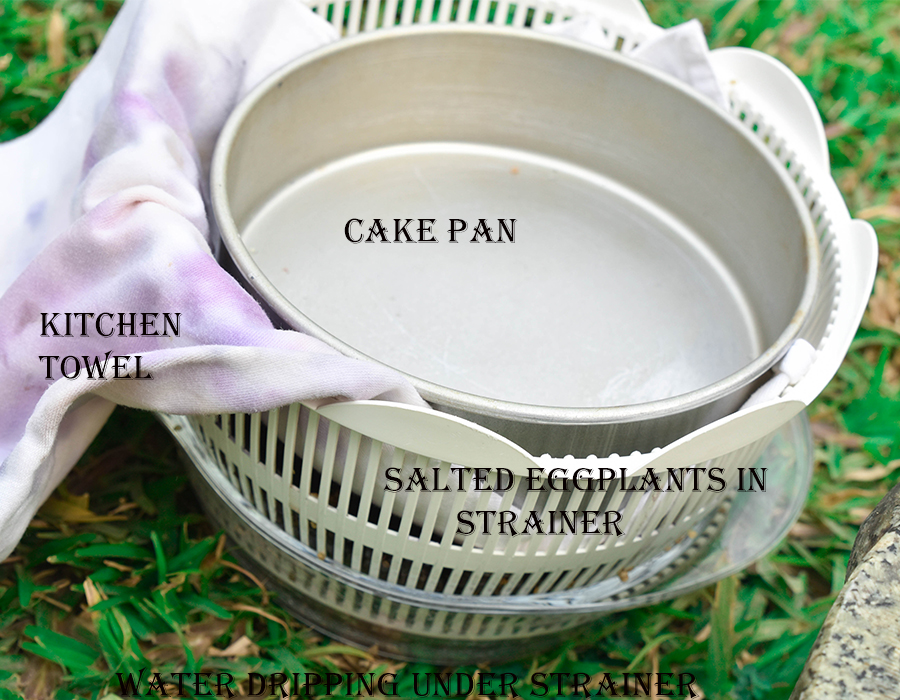
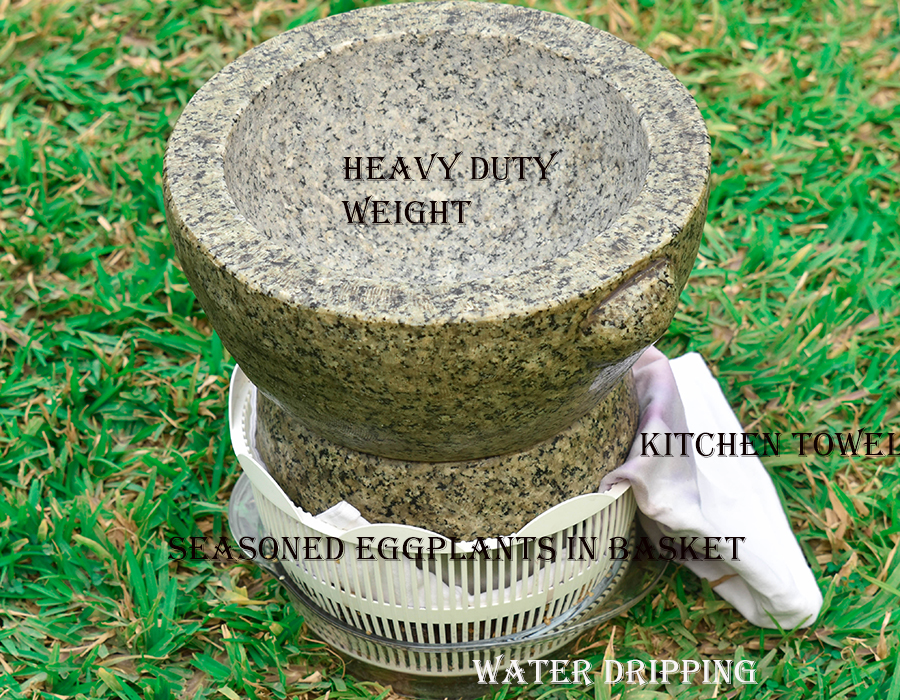
Place approximately 15 kg / 33 lbs of weights on top of the cake pan. The goal is to remove as much water as possible from the eggplants, which is a crucial step in making makdous.
After 12 hours, increase the weight to 25 kg / 55 lbs to apply more pressure and remove any remaining moisture. Leave the eggplants under this weight for another 36 hours. At this stage, they should be thoroughly dried out.
Watch the detailed video tutorial for the complete process.
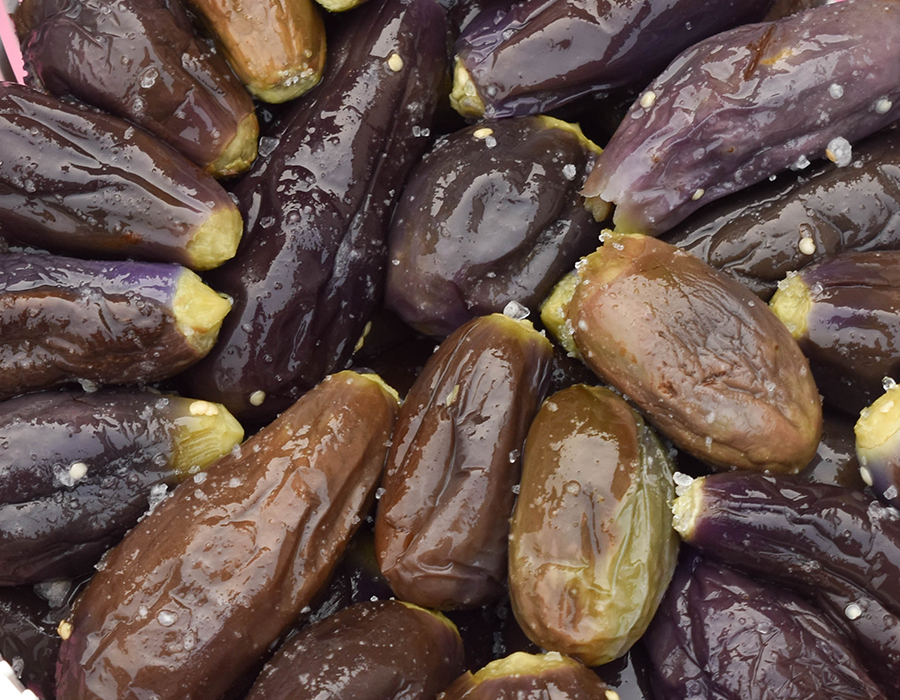
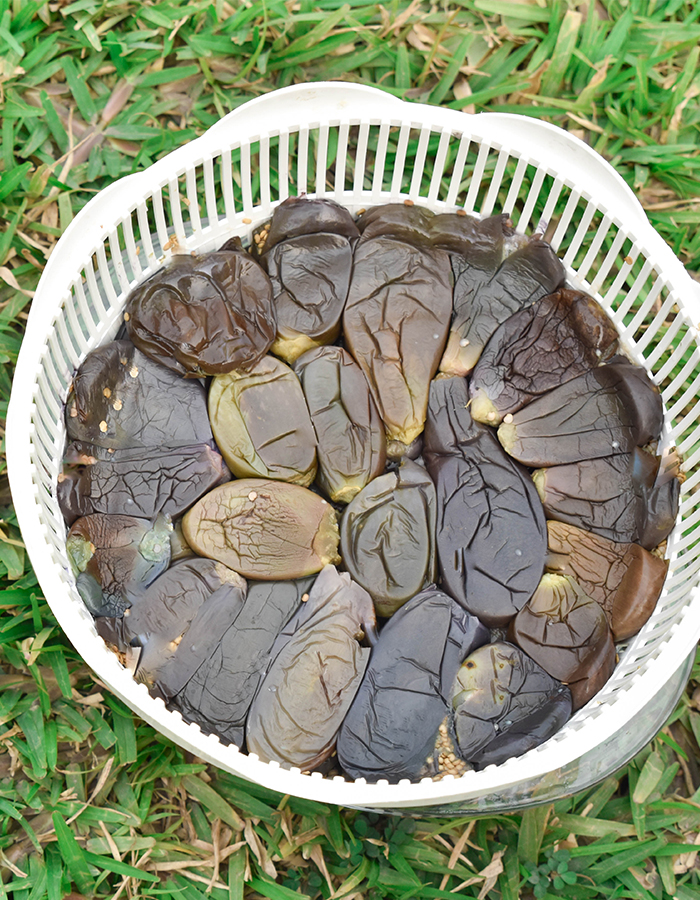
Here is what the eggplants look like after 48 hours of being pressed with heavy objects. They are dried out and look paper-thin.
Stuff the Eggplants
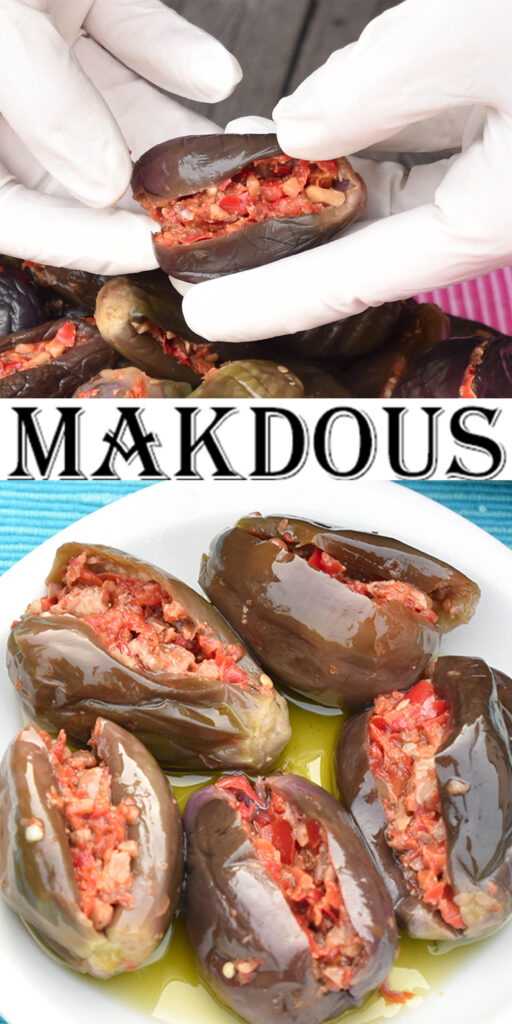
Stuff each eggplant with the filling, packing it tightly. Gently press the edges to enclose the filling.
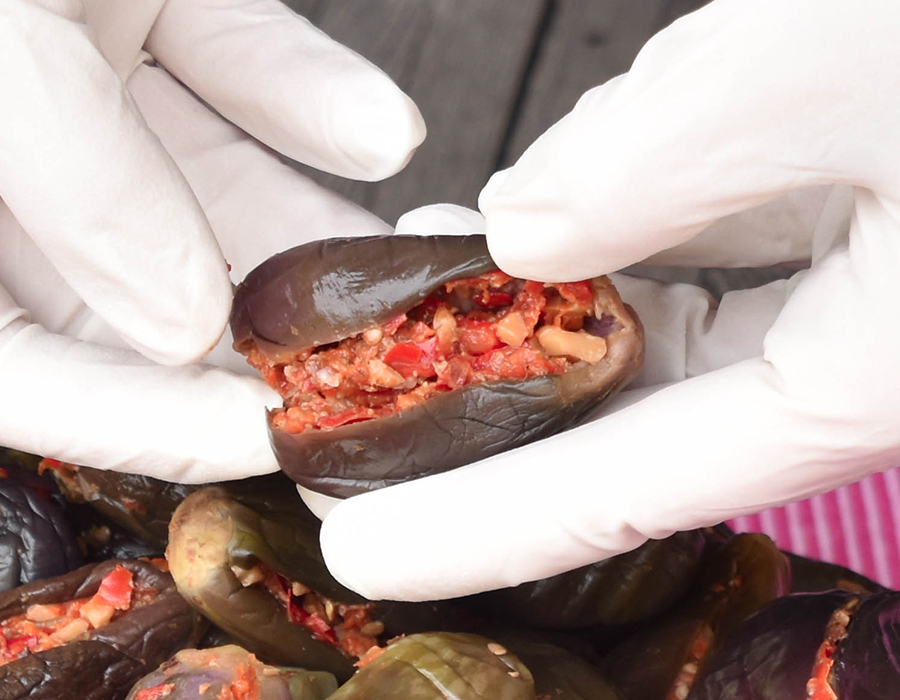
Blot the eggplants with a paper towel to keep them neat and tidy.
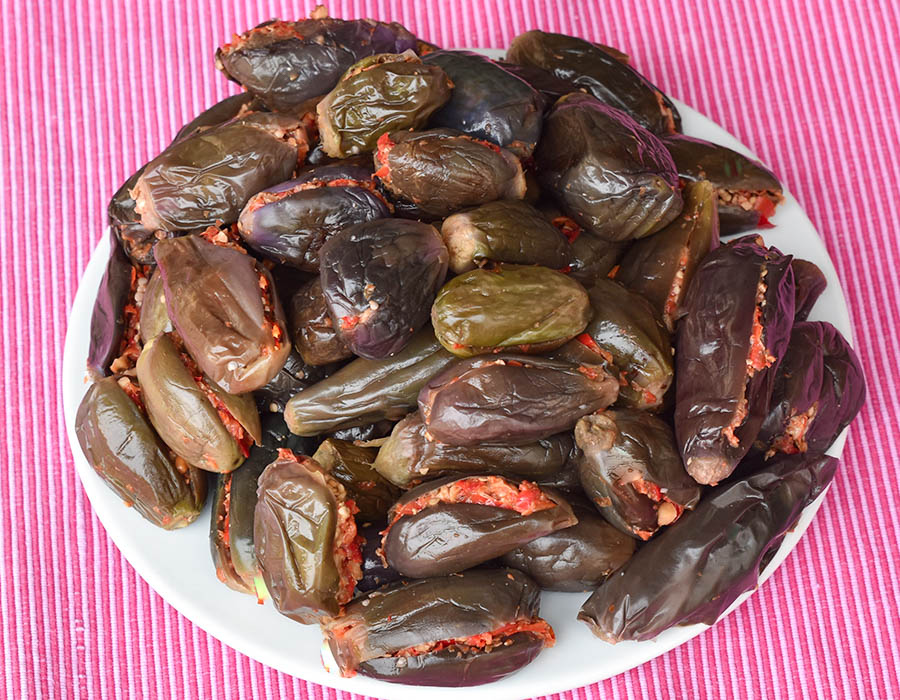
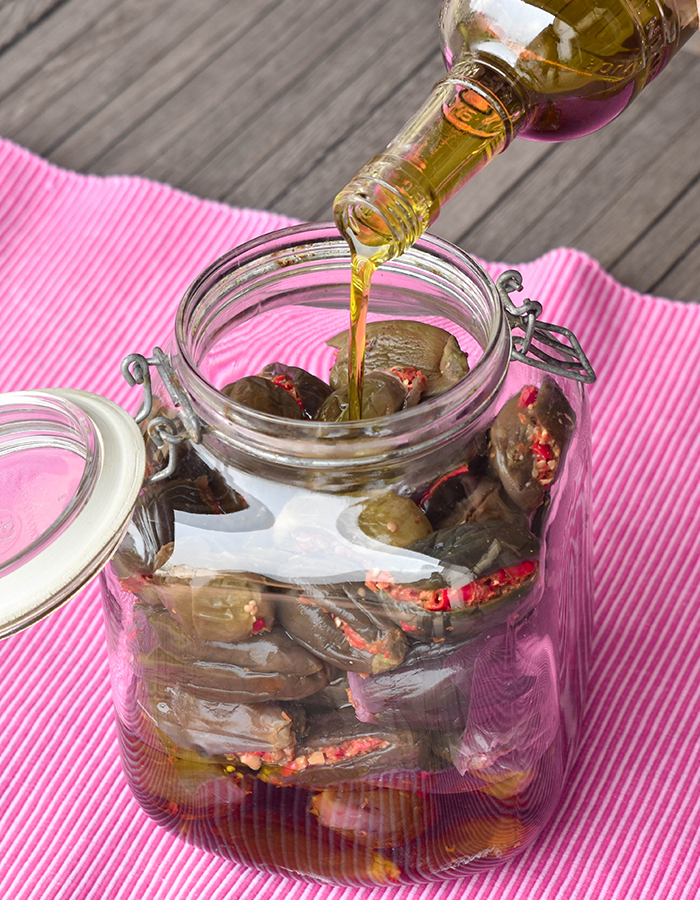
Pack the stuffed eggplants tightly into a clean, airtight glass jar, applying gentle pressure to keep them in place. Leave about 1 inch of space at the top of the jar. Pour in the extra-virgin olive oil until the eggplants are completely submerged.
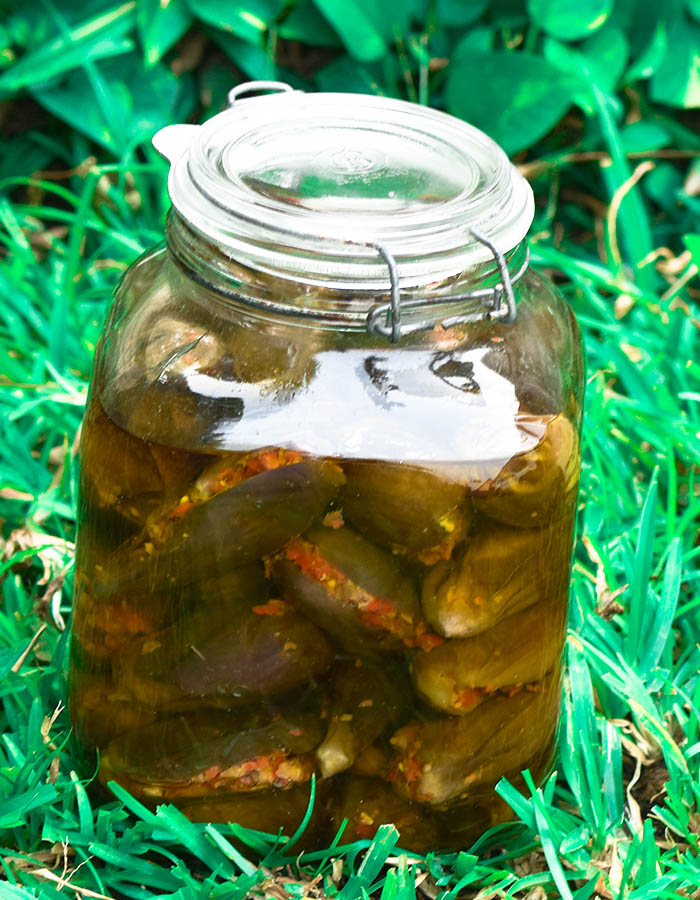
Keep the sealed jar on a kitchen shelf for 10 days before eating, allowing the flavors to develop and blend together.
Looking for more preserved foods from Lebanon? Check out our authentic recipes for homemade labneh and pickled turnips to build the ultimate Middle Eastern pantry!
 Let’s Stay in Touch!
Facebook, Instagram, YouTube , Pinterest and TikTok!

Makdous – Authentic Lebanese & Syrian Preserved Eggplants in Olive Oil
Description
Ingredients
- 2.5 kg / 5.5 lbs baby eggplants
- 1.5 kg / 3.3 lbs red bell peppers
- 4 garlic cloves or more to taste; you can use up to 1 whole head of garlic
- Sea salt as needed
- 400 g / 14 oz raw walnut halves
- Red chilies to taste
- 4 cups extra-virgin olive oil or more as needed to fully cover the eggplants
Instructions
Cut, Dry, and Grind the Red Bell Peppers
Remove the stems from the red bell peppers and red-hot pepper. Cut the peppers into wedges and remove the seeds. Arrange them on a tray and leave them for 24 hours in direct sunlight or near an air-conditioning draft to dry.After 24 hours, transfer the dried peppers to a food processor and pulse a few times until they become a chunky paste. Transfer the paste to a strainer placed over a bowl and allow the excess liquid to drain. Even after drying, the peppers may still contain some moisture.Once drained, refrigerate the pepper paste until needed. It can be stored in the refrigerator for 1–2 days. Discard the excess liquid collected in the bowl.Toast the Walnuts
Place the walnuts on a baking sheet and toast them in a preheated oven at 150°C/300°F for 10 minutes. The goal is to gently dry out the walnuts without changing their color, which will enhance their earthy flavor.To prepare the red bell pepper and walnut filling:
Roughly chop the walnuts with a serrated knife.Remove the crushed red bell pepper from the refrigerator and discard any excess water that has collected underneath the colander.This step can be done up to two days in advance. Cover the peppers with cling film and store them in the refrigerator.- In a bowl, mix together the crushed red pepper paste and crushed garlic. Mix well to infuse the garlic with the red pepper, then add the roughly crushed walnuts and season with sea salt. Taste and adjust the salt to your liking.
Cook the Eggplants
Wash the eggplants under running water, keeping the stems attached for now. Transfer the eggplants to a large pot and cover them with a cake pan that fits inside the pot. Place a light weight on top of the pan to exert pressure (see the video tutorial below).Add enough water to cover the eggplants, then bring to a rolling boil. Cook for 10 minutes or longer, depending on their size. To check for doneness, insert a fork into the thickest part of an eggplant. The fork should slide in easily, without resistance. Be careful not to overcook the eggplants.Prepare an ice bath. Using a slotted spoon, carefully transfer the cooked eggplants to the ice bath. This technique helps preserve their crisp-tender texture and fresh flavor.Once the eggplants have cooled completely, remove the stems.- Season and Dry the EggplantsUsing a sharp knife, make a small vertical slit lengthwise in each eggplant, being careful not to cut all the way through. Dip your wet finger in sea salt and massage the inside of each eggplant with the salt (about ¼ teaspoon of sea salt per eggplant), adding a little to the outside as well (watch the video tutorial). Transfer the eggplants to a colander and place the colander inside a large bowl to catch the liquid.
- Cover with a clean kitchen towel, then place a baking sheet or cake pan on top of the towel.
- Place about 15 kg of weights on top of the cake pan. Our goal is to remove as much water as possible from the eggplants. This is a crucial step in making makdous.After 12 hours, increase the weight to 25 kg to apply more pressure and extract the remaining water from the eggplants. Leave them under this pressure for another 36 hours. At this stage, the eggplants should be completely drained and thoroughly dried out.Watch the detailed video tutorial for the full process.
- Here is what the eggplants look like after 48 hours of being pressed with heavy objects: they are dried out and look paper-thin.
Stuff the Eggplants
Stuff each eggplant with the filling, packing it tightly. Press gently around the edges to enclose the filling.- Blot the eggplants with a paper towel to keep them neat and tidy.
- Pack the Makdous in a Jar and Add Olive OilPack the stuffed eggplants into a clean, airtight glass jar, pressing them down gently to fit snugly. Leave about 1 inch of space at the top of the jar. Pour in extra-virgin olive oil until the eggplants are completely submerged.Keep the sealed jar on your kitchen shelf for 10 days before eating, allowing the flavors to develop and meld together.
Video
Notes
- Sterilizing your jar is important. Start by washing the jar and lid in hot, soapy water, then sterilize them by boiling for 10 minutes. This will help prevent bacteria, microorganisms, and mold from spoiling your makdous.
- Don’t boil the eggplants for too long. Start with 10 minutes, or longer depending on the type and size of your eggplants. Insert a fork into the thickest part of an eggplant to check for doneness. If the fork slides in easily with little to no resistance, the eggplants are done. Overcooking will result in mushy makdous.
- Keep the jar of makdous away from direct sunlight to help extend its shelf life.
- The eggplants in the jar must be completely submerged in olive oil at all times. Check back periodically and add more oil as needed.
- Always use a clean, dry spoon to remove makdous from the jar. Never introduce water into the jar, as even a drop of moisture can cause mold to form.





















1 Comment
I never thought I’d be able to make makdous! I always thought this was something only grandmothers could make. My jar is now sitting and waiting for a few days to mellow, and I’m already proud of myself. Thank you for such a detailed post and for making the process so achievable.