


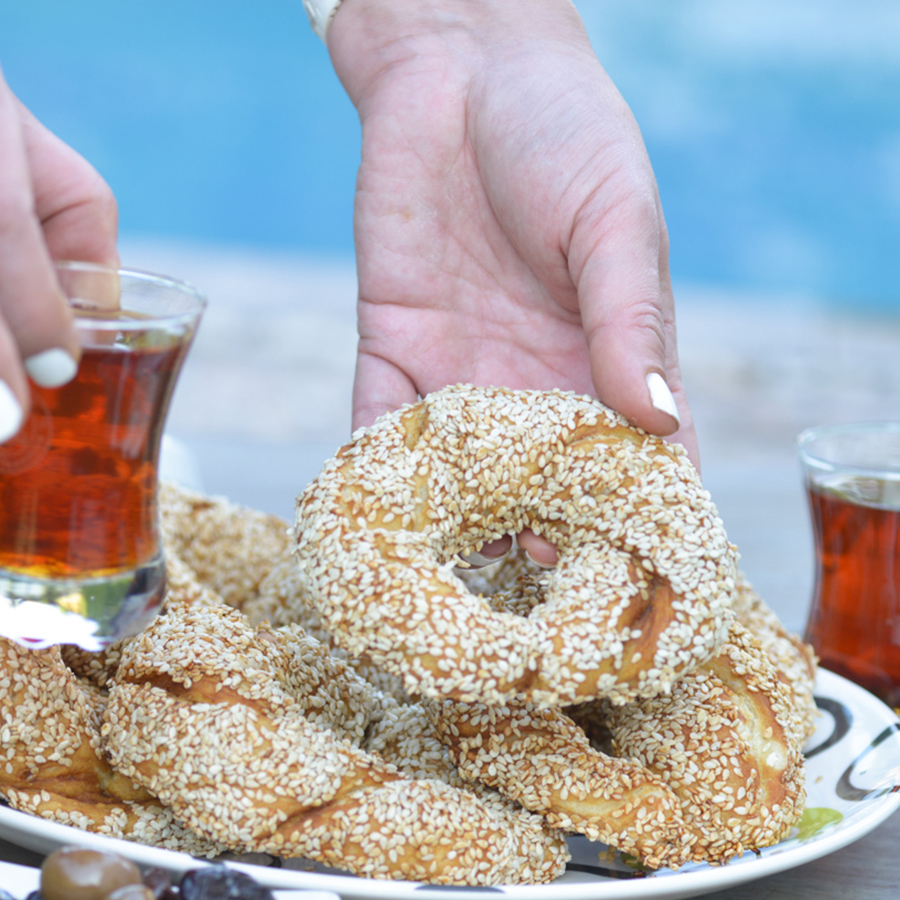
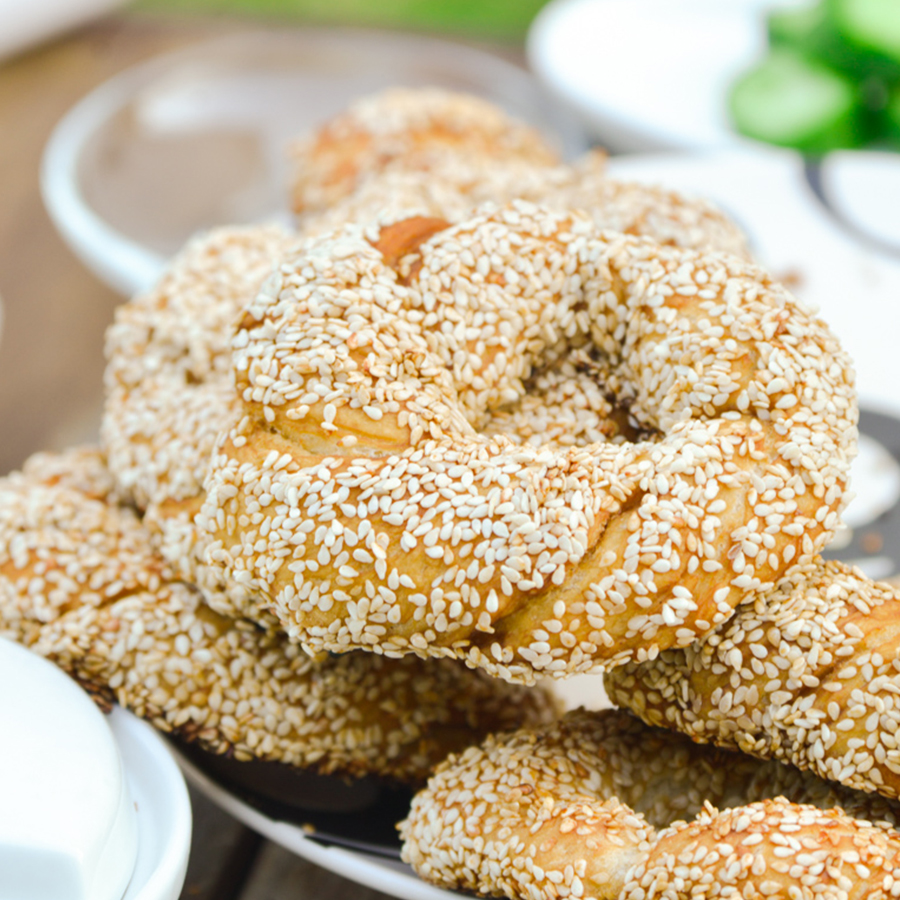
Simit, the iconic Turkish bread ring, is round and chewy and enjoyed throughout Turkey as a snack or as part of a traditional breakfast spread!
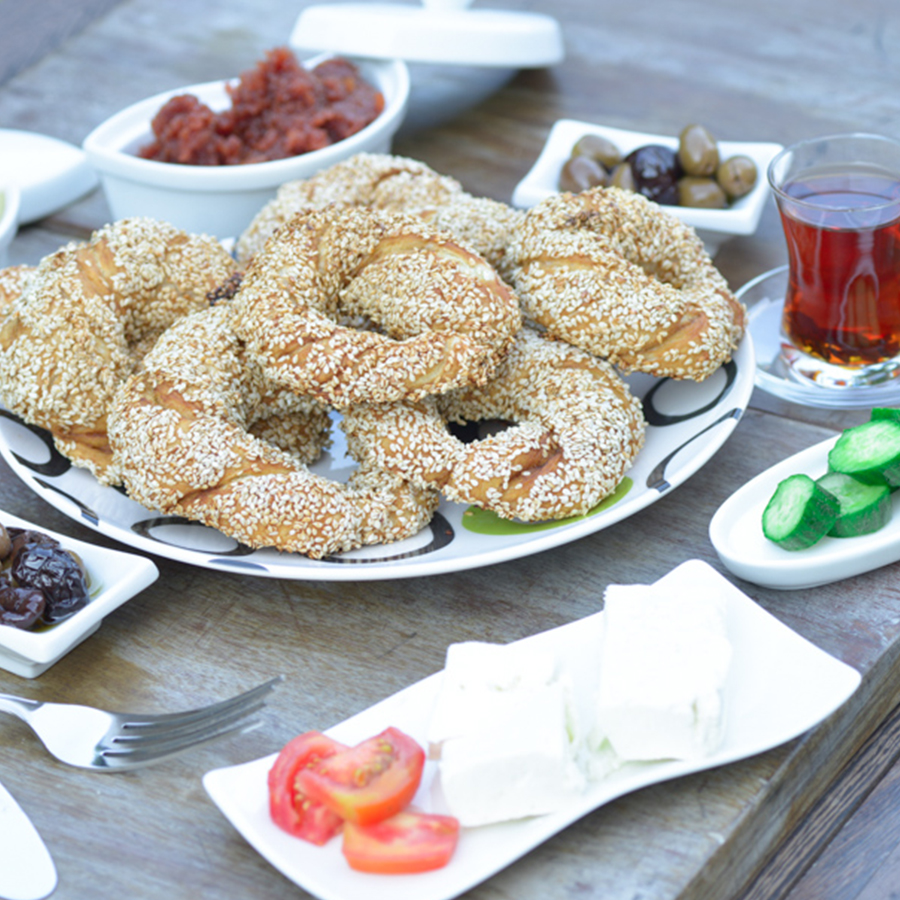
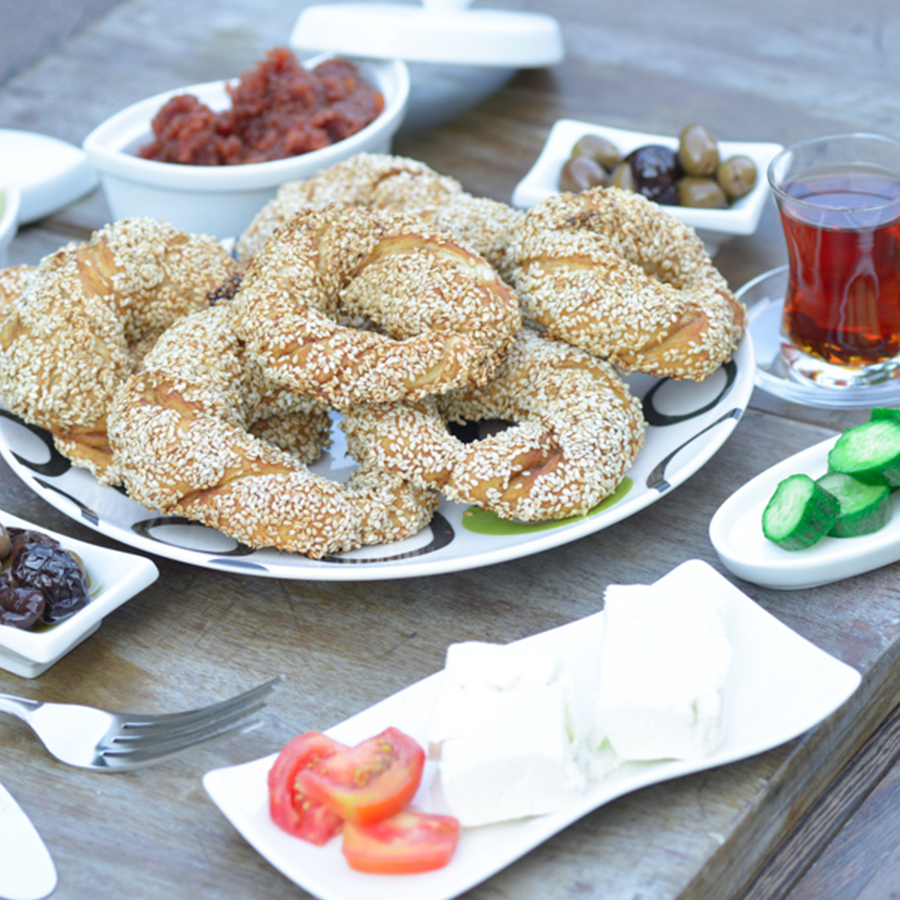
My one-week trip to Istanbul inspired me to recreate simit in my own kitchen, and it was such a joy to pull these golden, chewy bread rings out of my oven! Sold by street vendors throughout the city, simit is a beloved Turkish staple, much like our kaak bread in Beirut. It is traditionally enjoyed for breakfast with white cheese, tomatoes, cucumbers, and a glass of Turkish tea, or simply as a snack on the go.

Having been born with a sweet tooth, I also love enjoying simit with Lor cheese and honey. Lor is a crumbly, mildly salted Turkish cheese that I discovered in Istanbul, and in my opinion, it pairs perfectly with simit!
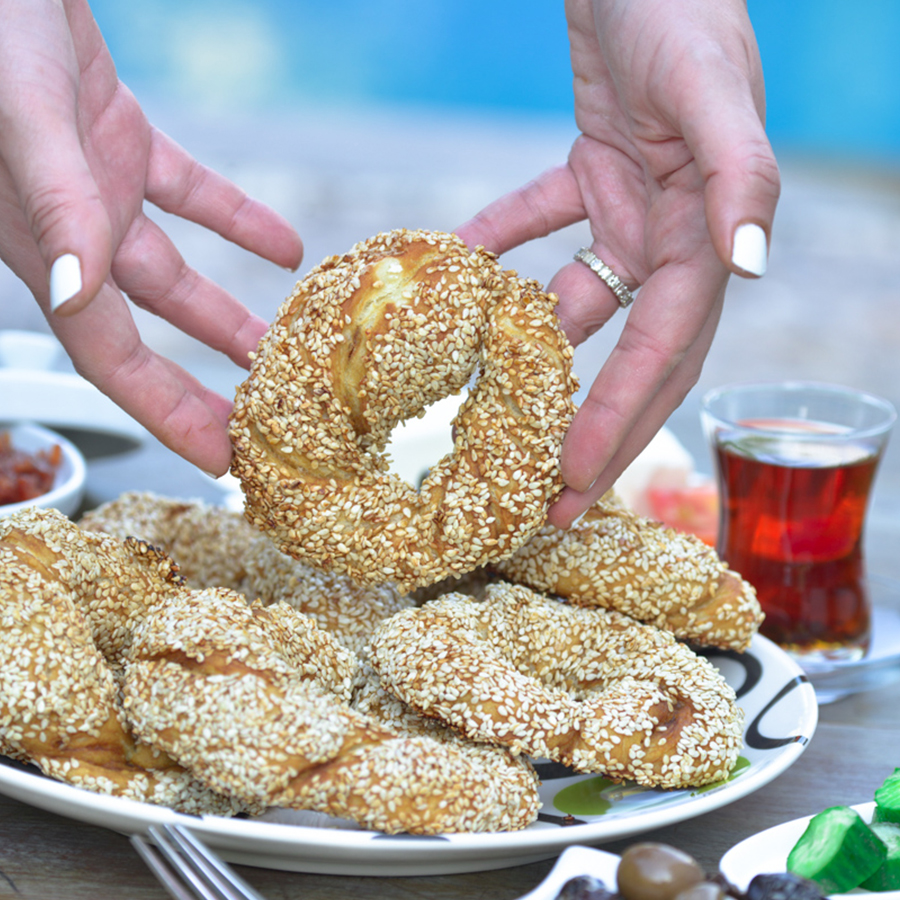
Simit is not the quickest bread to make, simply because it is yeast-based and the dough needs time to rise. But believe me, it is well worth the wait! The aroma of freshly baked simit filling your kitchen is truly satisfying. In Turkey, enjoying a plain simit with a glass of tea is a cherished afternoon tradition!
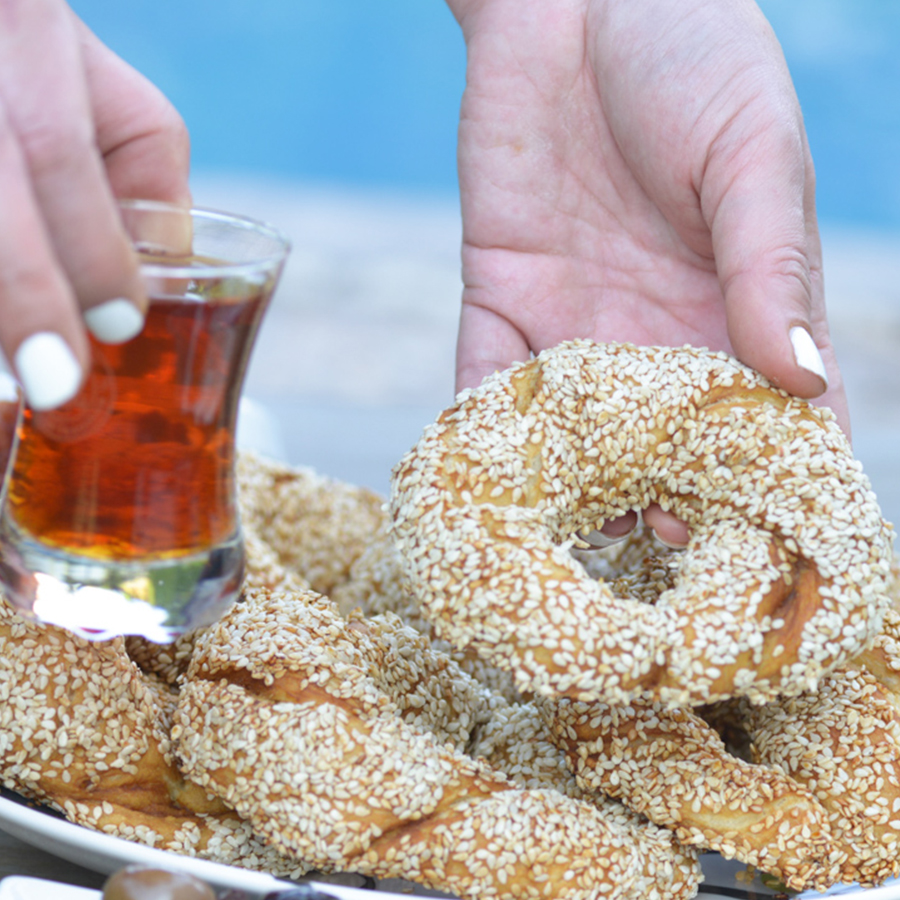
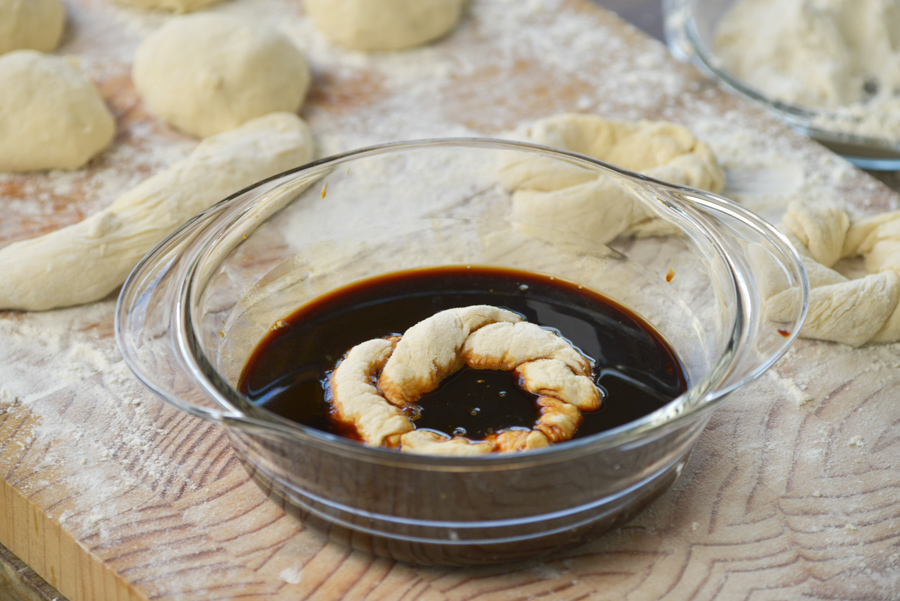
Most recipes call for an egg wash to give baked goods an attractive golden color, but simit is different! Its beautiful golden-brown color comes from pekmez (grape molasses). Each shaped simit is dipped in a diluted mixture of grape molasses and water, which gives it a rich, deep color, a hint of sweetness, and a subtle earthy undertone. It is then generously coated with sesame seeds on both sides before this iconic Turkish bread goes into the oven!
What Is Pekmez?
Pekmez is a thick molasses made by boiling down the juices of various fruits, including grapes, figs, mulberries, pomegranates, and carob. Grape molasses is the most commonly used variety for making simit. I was lucky enough to stumble upon jars of grape molasses on the shelves of the bazaar section at Istanbul Airport. I grabbed two jars and happily brought them back with me to Kinshasa!
Can I Make the Dough a Day Ahead to Save Time on Baking Day?
Absolutely! To save time, prepare the dough a day ahead and let it rise until it doubles in volume. Cover it with cling film and refrigerate for up to 24 hours. Remove the dough from the refrigerator about 30 minutes before shaping the simit.
Now that the dough has risen, we are ready to shape our simit!
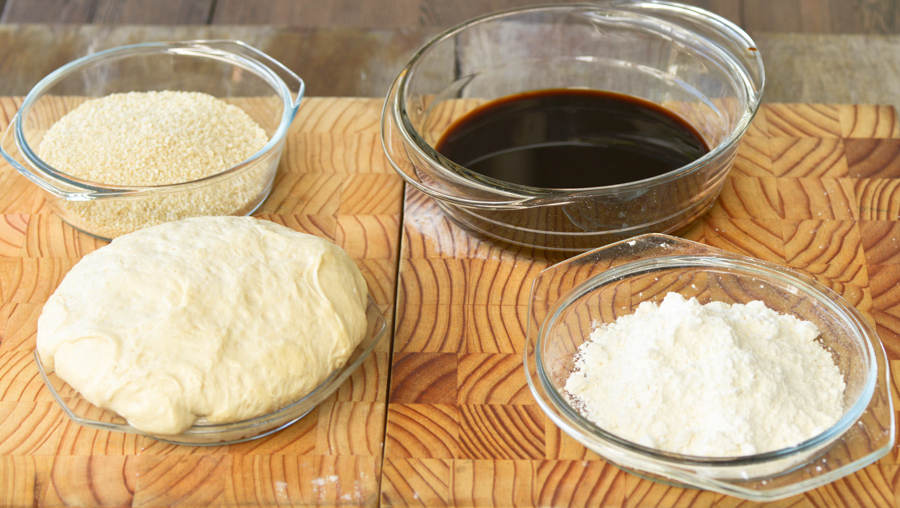
Lightly flour your countertop and divide the dough into 12 equal portions, shaping each into a ball.
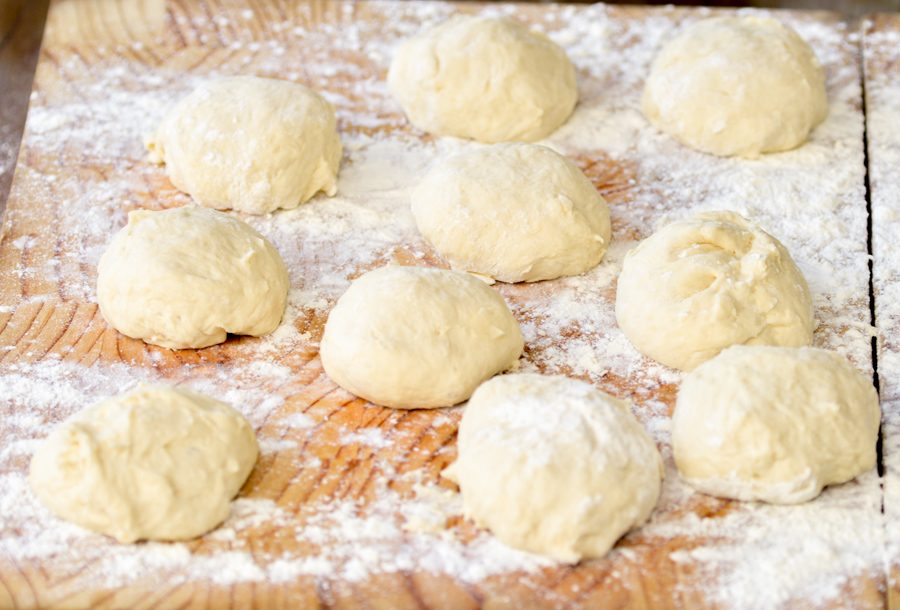
Using the palms of your hands, roll each ball on the countertop into a rope about 45 cm (18 inches) long.
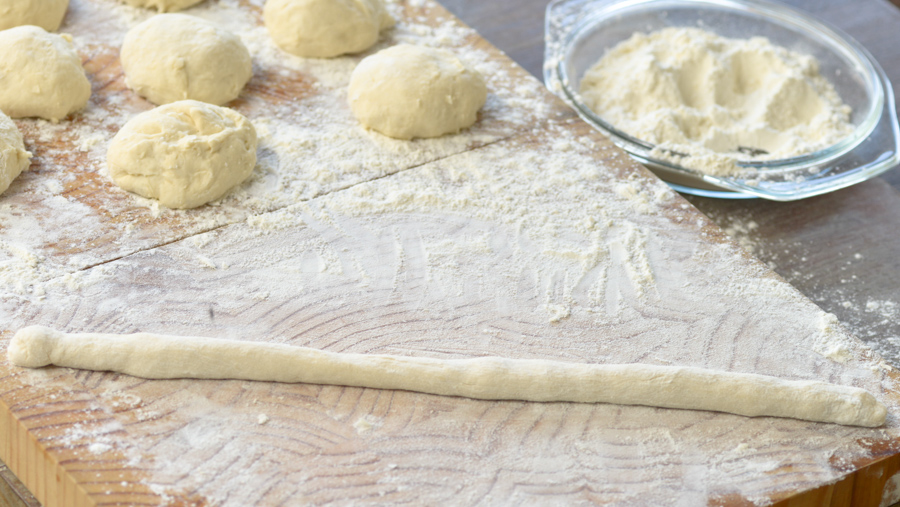
Fold each rope in half.
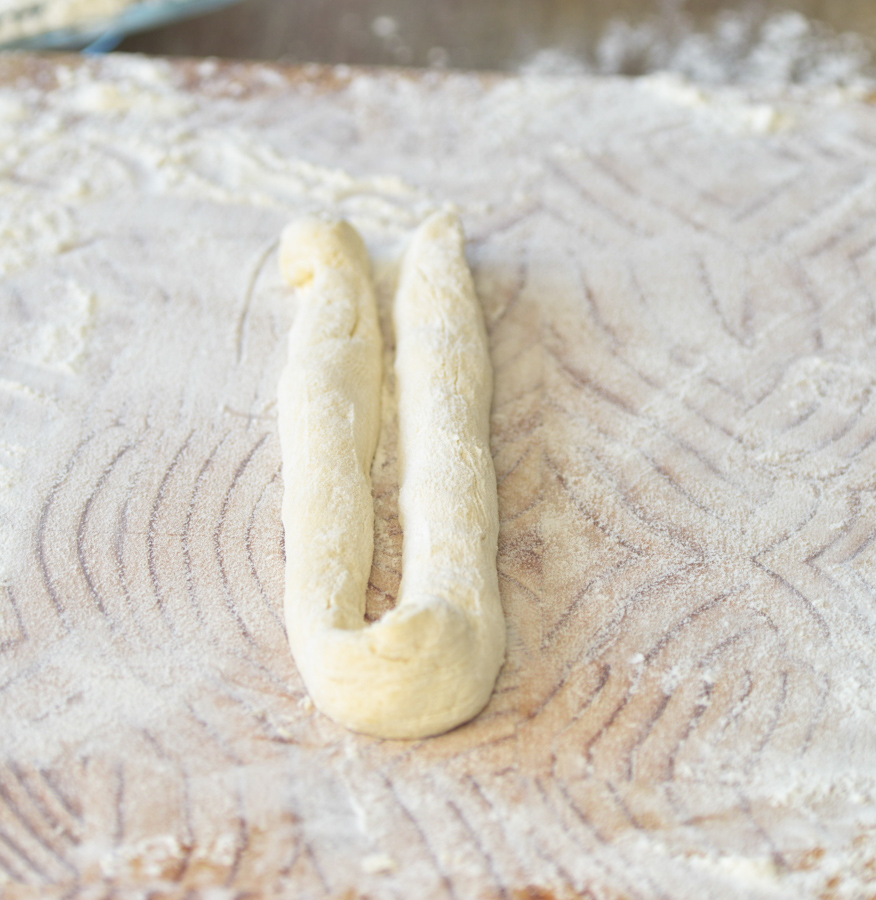
Using both hands, twist the two strands together to form a twisted rope.
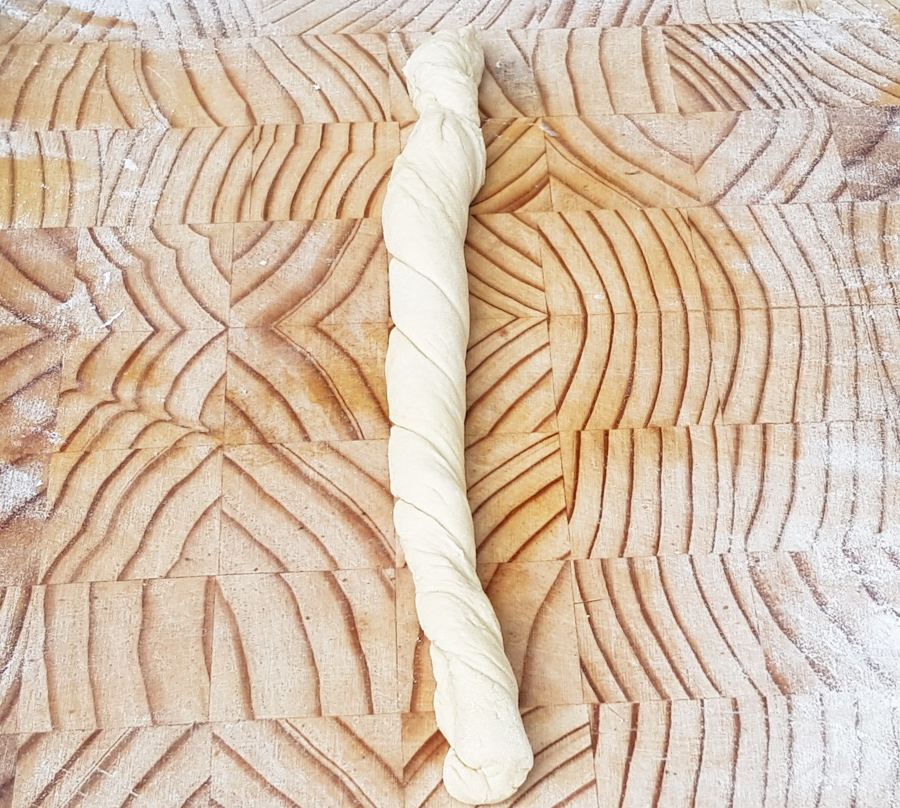
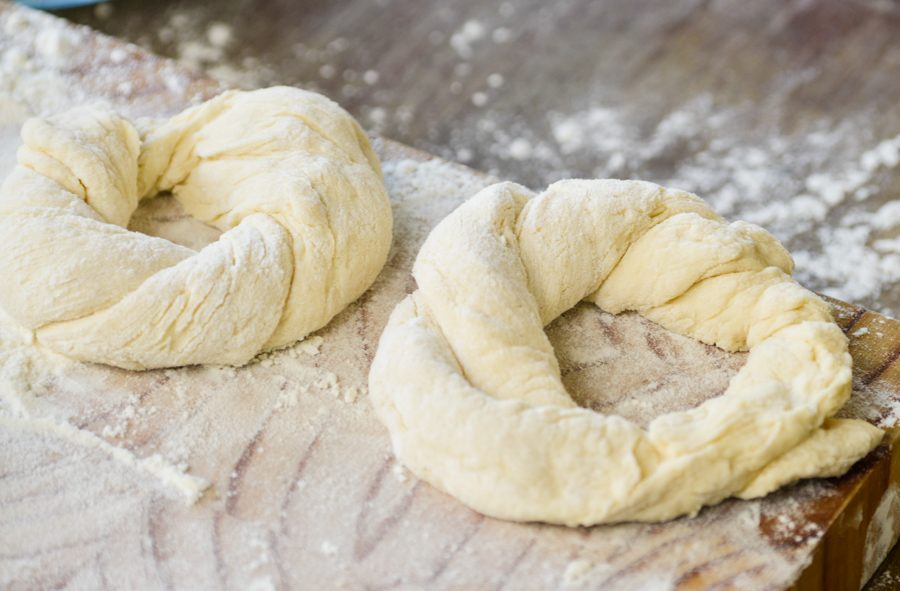
Bring the ends together and pinch to seal, forming a ring.
Dip each ring into the grape molasses mixture, making sure to coat both sides thoroughly. Allow any excess mixture to drain off.
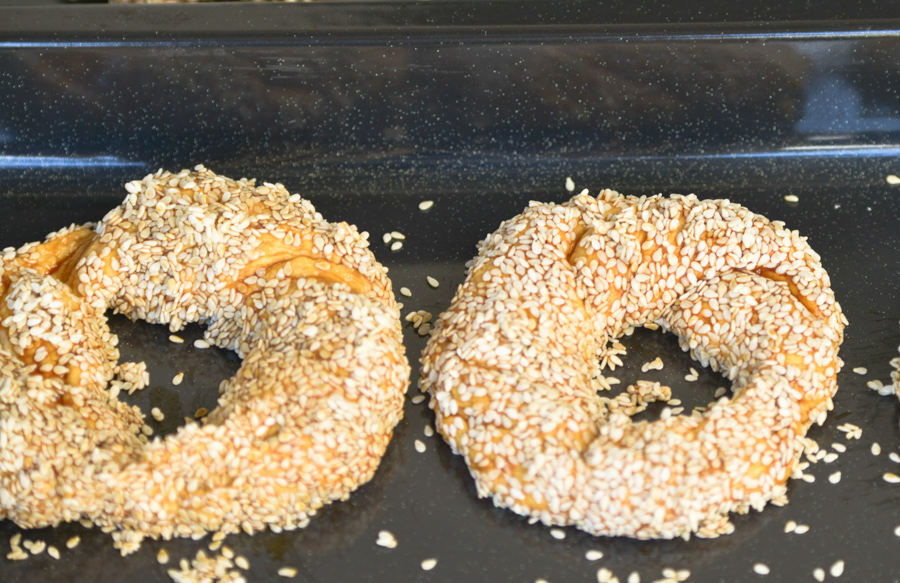
Roll each ring in the sesame seeds, turning it gently to coat both sides evenly.
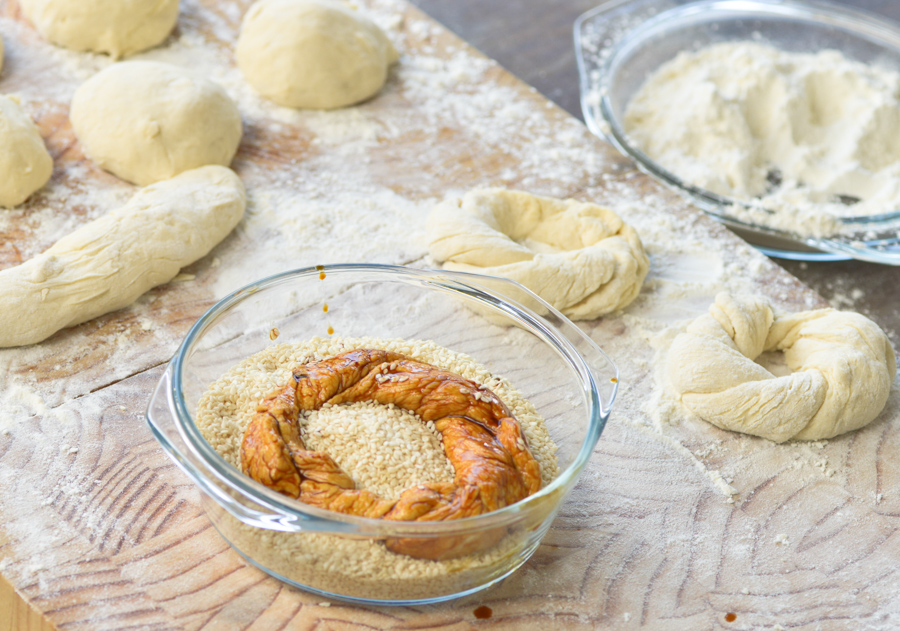
Line two baking sheets with parchment paper and arrange the simit rings on them. Set aside for 20–25 minutes, or until they puff up slightly. Meanwhile, preheat the oven to 220°C (425°F). Bake for about 15 minutes, or until the simit are cooked through and beautifully golden brown.
More Middle Eastern Baked Breakfast Recipes to Try at Home
 Let’s Stay in Touch!
Facebook, Instagram, YouTube , Pinterest and TikTok!
Homemade Simit (Turkish Sesame Bread)
Description
Ingredients
- 1 leveled tablespoon sugar
For the Dough:
- 4 cups all-purpose flour
- 2 tablespoons active dry yeast
- 1 level tablespoon sugar
- 1 level tablespoon salt
- ⅓ cup lukewarm water to proof the yeast
- 1¼ cups water or a little more if needed, for the dough
- 1 tablespoon canola oil to grease the bowl before adding the dough
For Coating:
- ¾ cup grape molasses
- ⅓ cup water
- 2 cups sesame seeds
Instructions
Proof the yeast
- In a large mixing bowl, combine the active dry yeast, sugar, and lukewarm water. Let it sit for 5 to 8 minutes until the mixture becomes frothy.
Mix the dough
- Add the flour to the dissolved yeast. Slowly pour in the 1 ¼ cups of water. You may need a little more or less water depending on the brand and absorption of your flour.
Knead and first rise
- Knead the dough by hand or with a stand mixer until it becomes smooth and malleable. Lightly oil a large bowl and transfer the dough into it. Cover the bowl with a clean kitchen towel and let it rest in a warm place for about 1 ½ hours, or until it has doubled in size.
Divide the dough
- Once the dough has doubled in size, turn it out onto a lightly floured countertop and gently punch it down to release the air. Divide the dough into 12 equal portions and roll each portion into a smooth ball.
Shape the ropes
- Lightly flour your hands and workspace. Roll each dough ball out into a long rope, roughly 45 cm in length.
Twist and seal
- Fold each rope in half so that the two ends meet. Hold the sealed end and twist the two strands around each other. Bring the two loose ends together to form a circle, pressing firmly to seal the ring tightly.
Coat with molasses and sesame seeds
- In a shallow bowl, whisk together the grape molasses and water until combined. Place the sesame seeds in a second shallow bowl. Dip each dough ring into the diluted molasses mixture, ensuring both sides are fully submerged, then lift and let any excess liquid drain off. Immediately transfer the ring to the sesame seeds, turning gently to coat both sides thoroughly.
Second rise and bake
- Line two baking sheets with parchment paper and place the shaped simit rolls on them. Let them sit at room temperature to puff up slightly for about 20 to 25 minutes. While they rest, preheat your oven to 220°C (425°F).
Bake and cool
- Bake for 12 to 15 minutes, or until the rolls are cooked through and have turned a deep golden-brown color. Transfer the baked simit to a wire cooling rack. Enjoy!
Notes
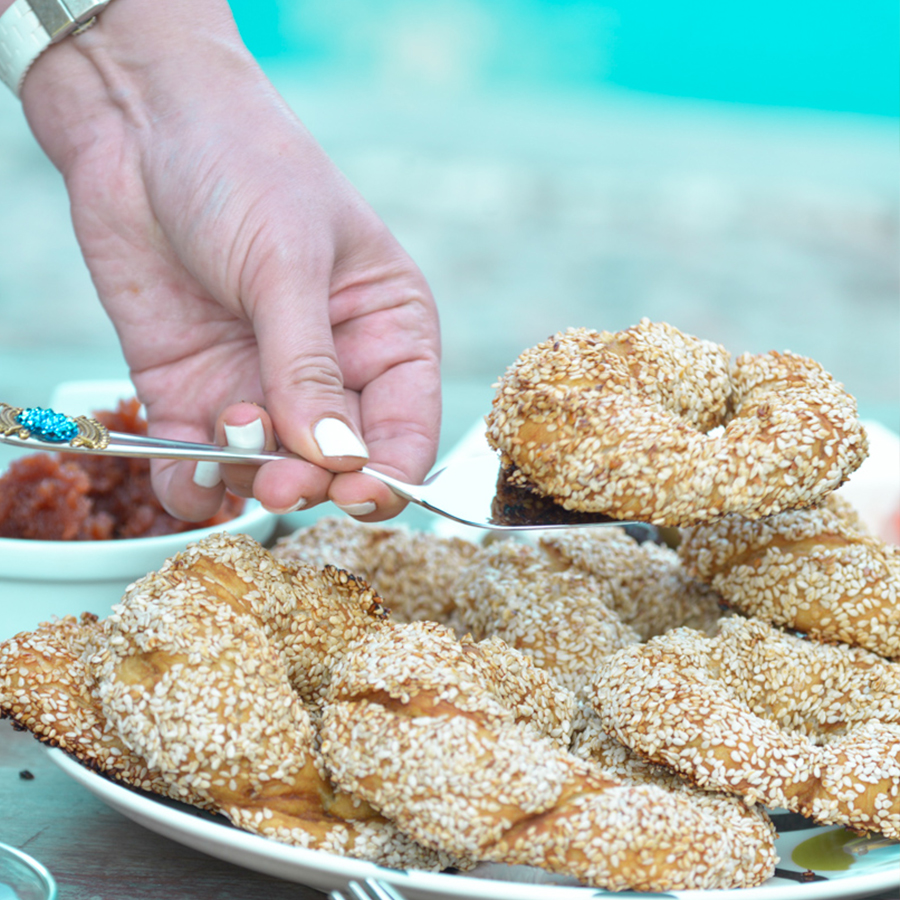
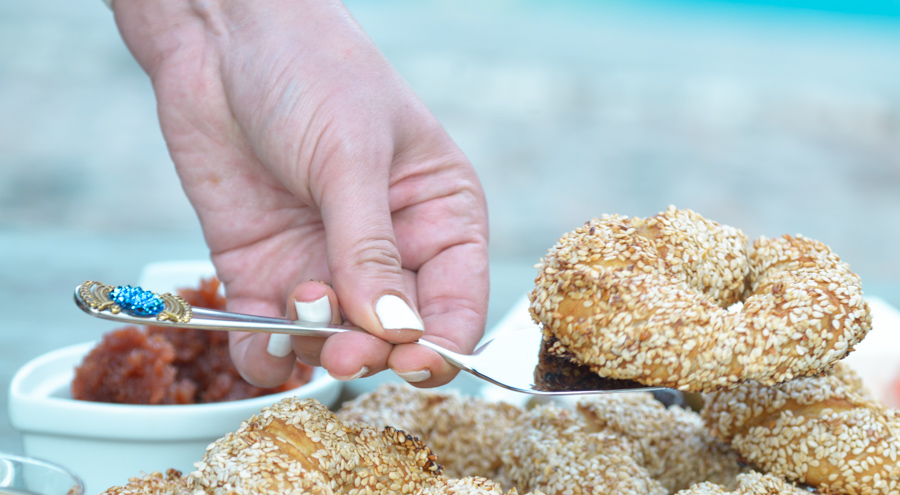
 I was honored to receive this elegant set of high-quality stainless steel forks, knives, and a cake server as a gift from the owner of “Beads and Pieces.” These wire-wrapped, hand-beaded pieces beautifully complement your servingware, adding a touch of sparkle and elegance to your table. They also make wonderful Christmas gifts! Browsing their Facebook page and Instagram account left me in awe of their refined taste and exquisite craftsmanship.
 For more information, contact Rola Hachem Ayache!






















9 Comments
Wow so cool! I had never heard of this before. The grape molasses mixture has to give it such a different but subtle flavor!
I have never had simit but it looks scrumptious! What heaven to find it on the street corner … also, those serving utensils are stunning.
Thank you so much for this delicious recipe.
Is there a substitute for grape molasses? I don’t have stores that carry it in my town. Want to make this. I love sesame seeds. Love your recipes.