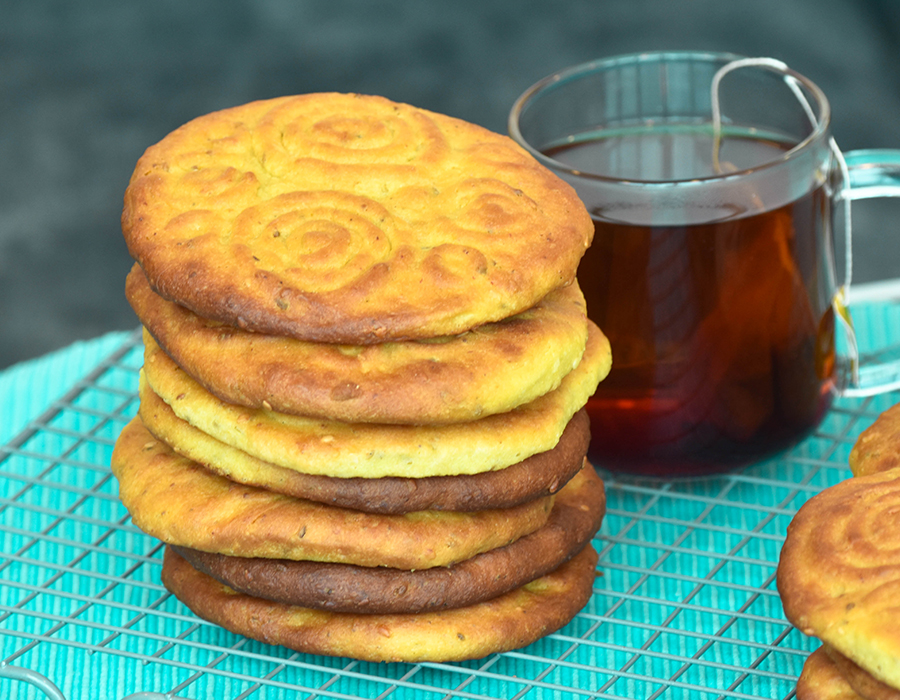
Kaak Al Abbas
Description
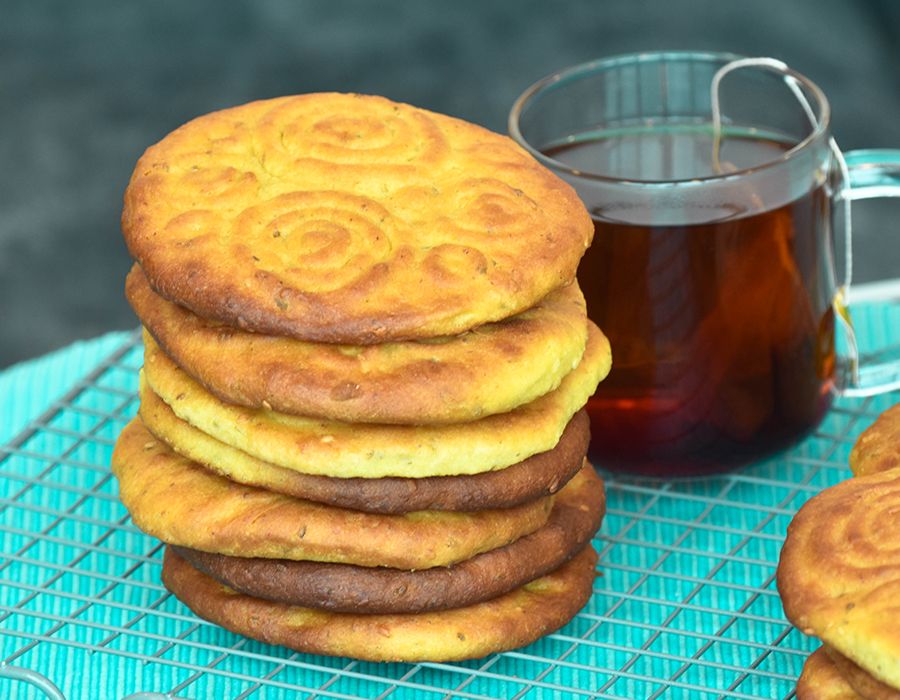
There’s something truly satisfying about taking a tray of kaak Al Abbas out of the oven—they’re beautiful to look at and even more delicious to eat.
Equipment
- 1 kaak mold
Ingredients
- 1 kg 2 lb 4 oz all-purpose flour
- 2 cups granulated white sugar
- ⅔ cup sunflower oil plus extra for brushing the kaak mold
- 2 tablespoons instant dry yeast
- 1 tablespoon da’et kaak see note below
- 5 tablespoons white sesame seeds
- 4 tablespoons whole anise seeds
- 1 level tablespoon turmeric powder
- 1 cup powdered whole milk
- 1½ cups lukewarm water plus more as needed to create a dough
Instructions
- In a large bowl, combine the all-purpose flour, sugar, powdered milk, instant dry yeast, sesame seeds, anise seeds, daet kaak, and turmeric powder. Mix well to evenly distribute the ingredients. Stir in the oil, then use your hands to work the oil into the flour mixture until well incorporated.
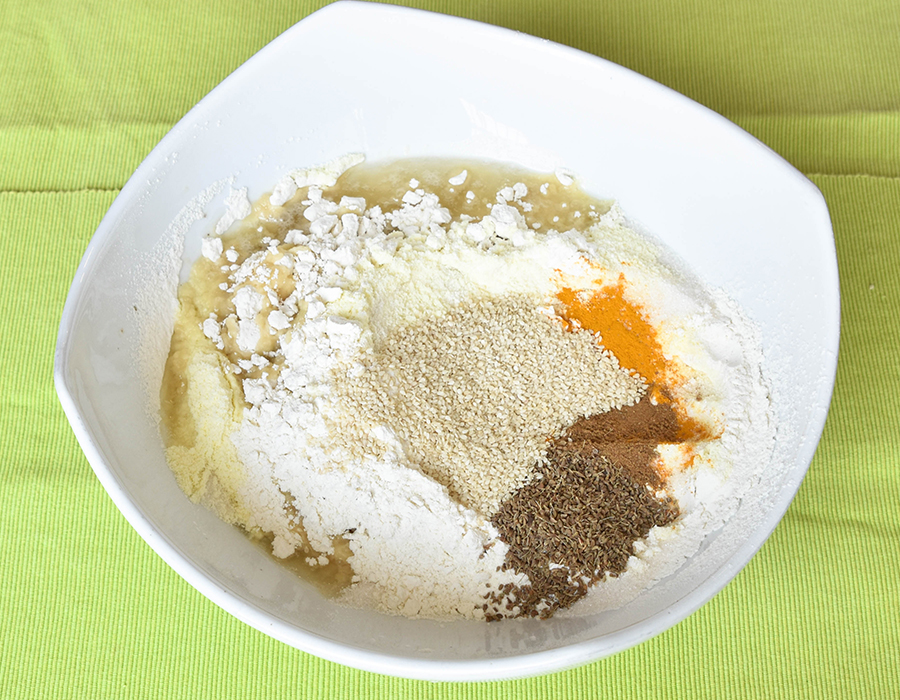
- Add the water gradually. You may need to add a little more water to obtain a fairly sticky dough. If the dough becomes too sticky, add just a pinch of flour and knead until you achieve a smooth, uniform texture. The more you knead, the better the result will be.
- Transfer the dough to a lightly greased large bowl, cover with cling film, and leave it to rise overnight, or for a minimum of 8 hours.
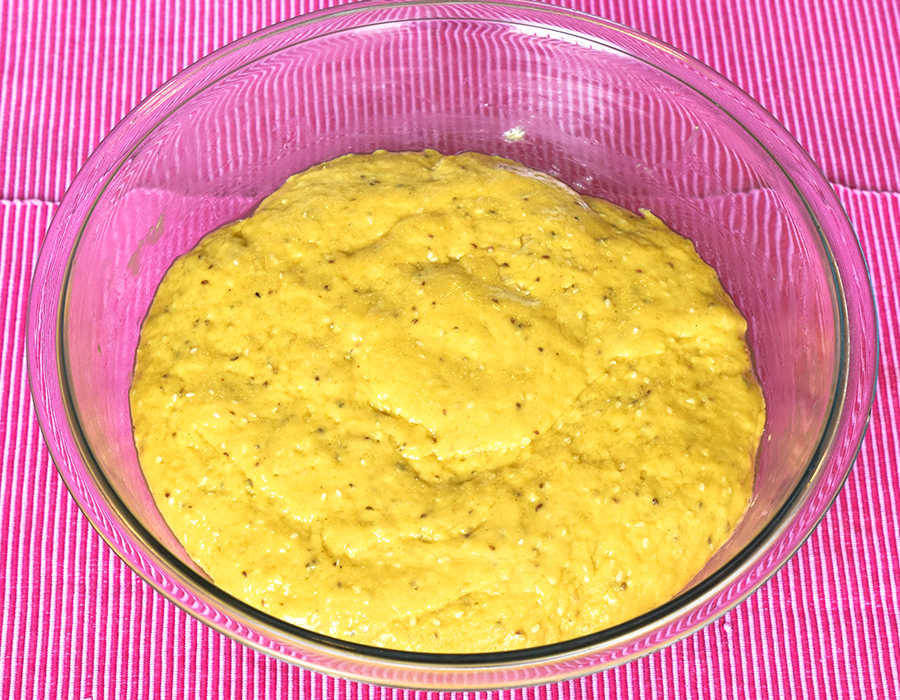
- Here’s what it looks like after 8 hours of fermentation.
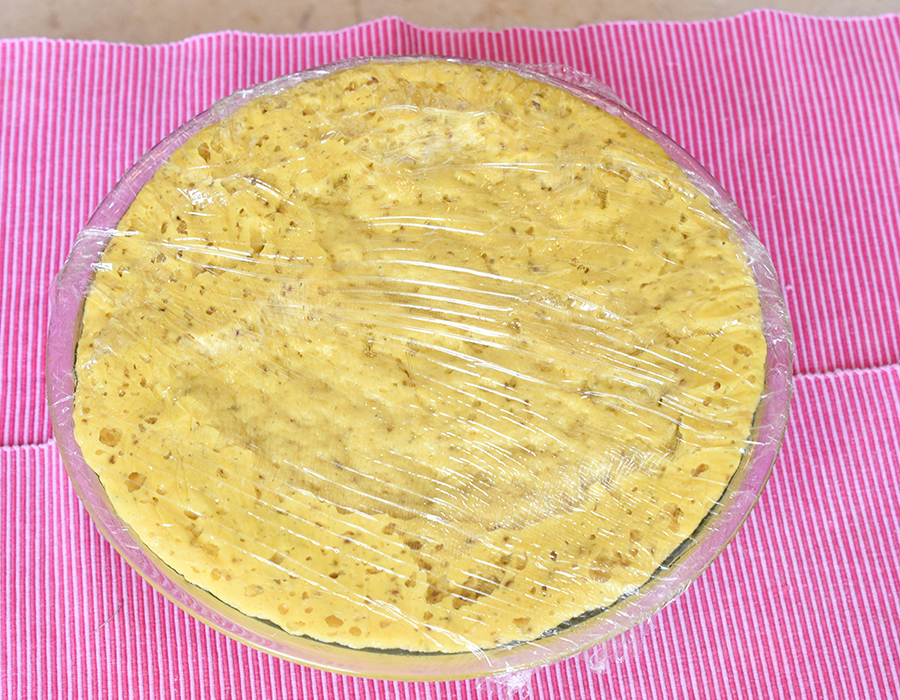
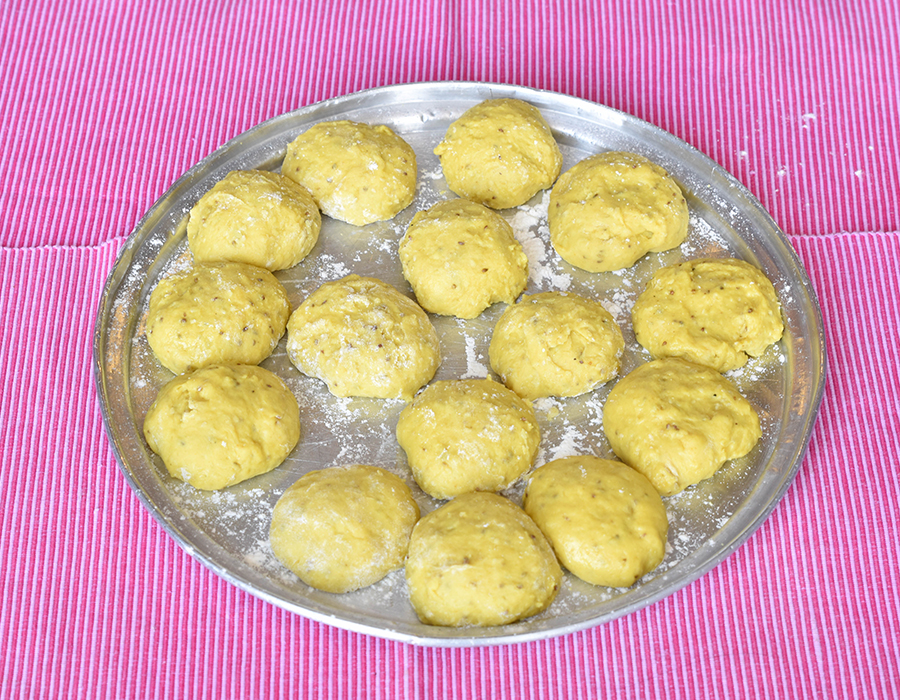
- Divide the dough into equal balls, roughly the size of an egg.
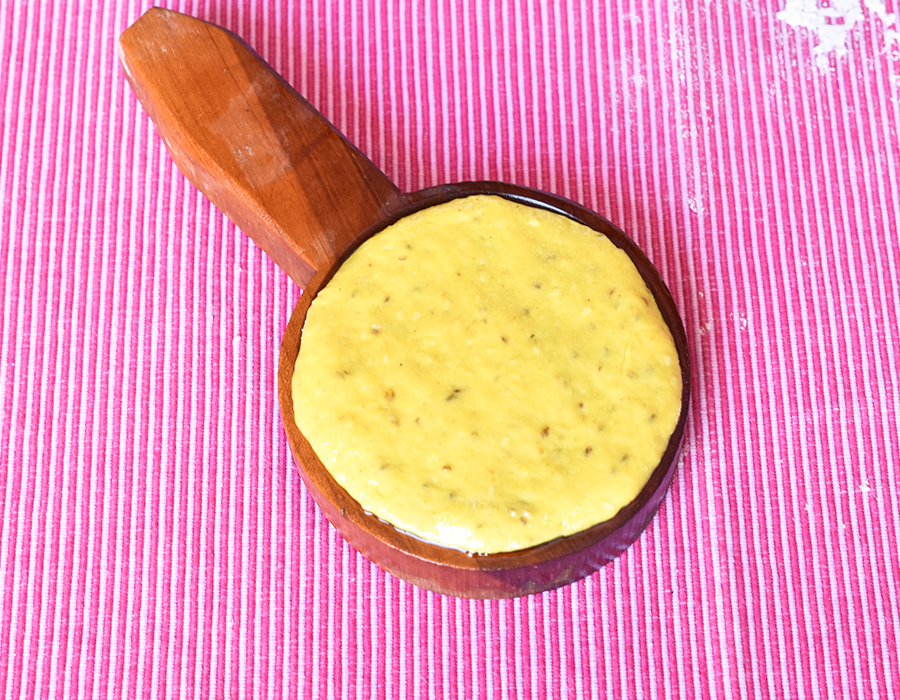
- Generously rub some cooking oil on your hands and lightly grease the wooden mold. Place one round piece of dough at a time onto the mold and flatten it to your desired thickness.For softer Kaak Al Abbas, roll the dough on the mold to about 1/2 inch (1.25 cm) thick.For crispier Kaak Al Abbas, roll the dough to about 1/4 inch (1/2 cm) thick.Once shaped, use your finger to gently push the dough out of the mold.
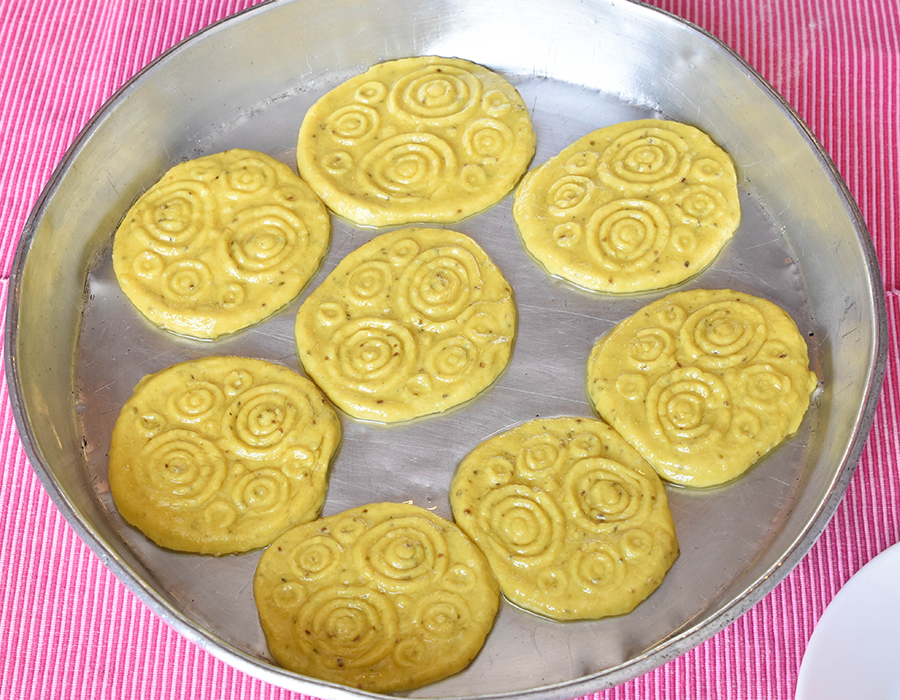
- Transfer to a lightly greased baking sheet. Repeat with the remaining dough, making sure to leave some space between each kaak. Like any yeasted bread, the dough will expand as it bakes.
- Bake in a preheated oven at 180°C/350°F until golden brown, about 15–17 minutes. However, keep an eye on your oven, as baking times can vary between ovens, and your pastries may be ready before the suggested time.
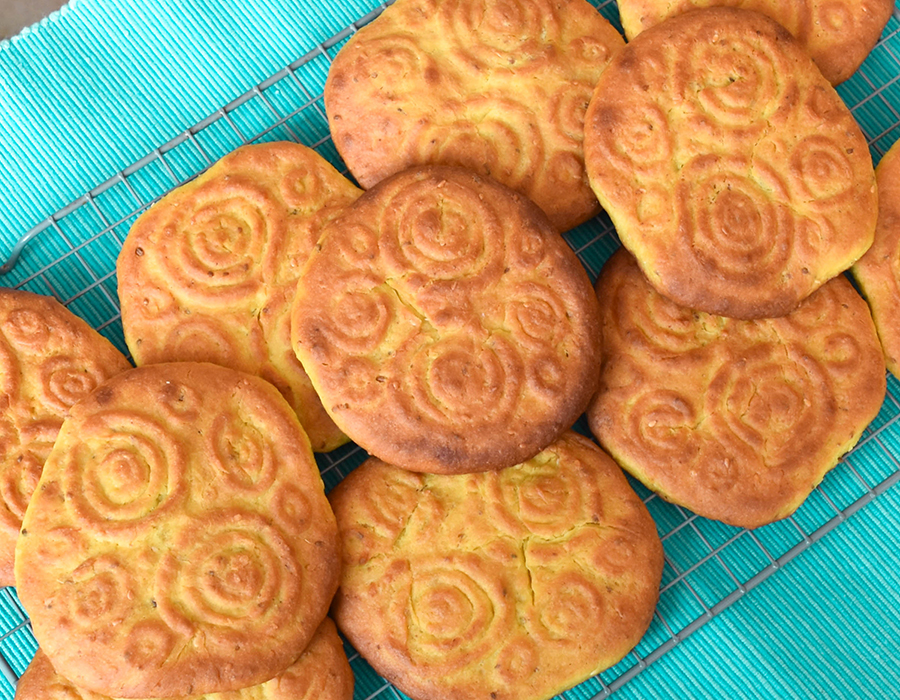
- Serve it on its own as a dessert, as part of your afternoon nibbles, or for breakfast with labneh and a cup of brewed tea.
Video
Notes
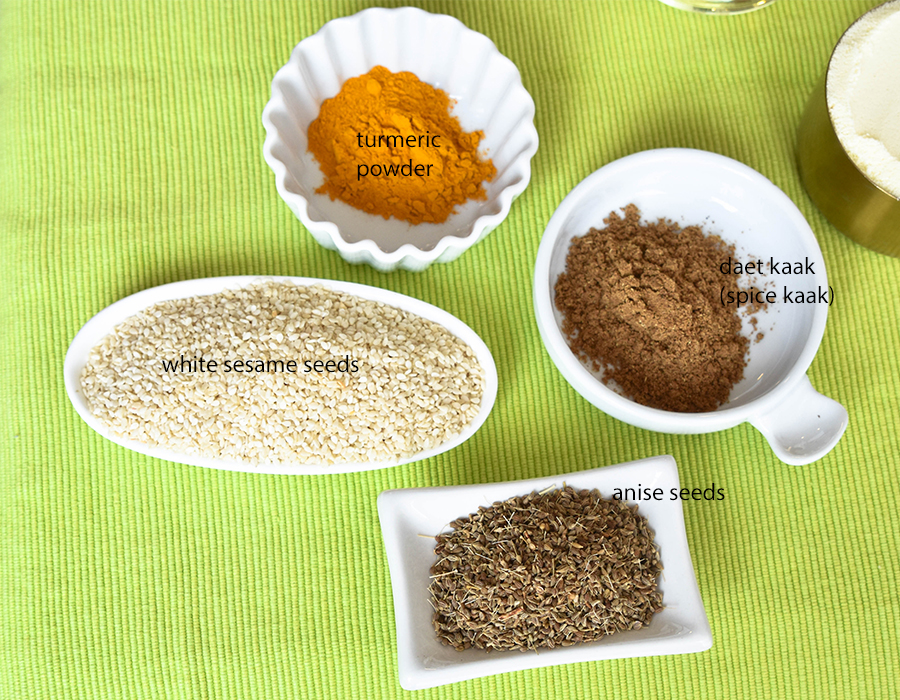 Da’et Kaak (Kaak Spice) will take Kaak al Abbas to the next level!
One of the secrets to making authentic Kaak al Abbas is using a unique blend of spices called da’et al kaak. This blend adds warm, earthy notes and extra depth and complexity to the kaak.
Da’et kaak usually comes as a ready-made spice blend, available at spice markets or in the food sections of supermarkets in Lebanon. I bet you can find it online too! Either way, I’ll provide you with a recipe to make the blend yourself. Use the amount mentioned in the recipe, then keep the rest in the freezer for later use.
Note 1 — To make da’et kaak from scratch:
Combine 1 tablespoon ground fennel seeds, 1 tablespoon ground anise seeds, 1 teaspoon mahlab, and ¼ teaspoon grated nutmeg. Mix well. Use the amount specified in the recipe when making the dough, and keep the remaining blend in the freezer for later use. Note 2 — About the wooden mold:
You can find the wooden mold online. If you can’t find one, use the back of a large glass ashtray with an embossed or textured design—it works surprisingly well.
Tried this recipe?Let us know how it was!